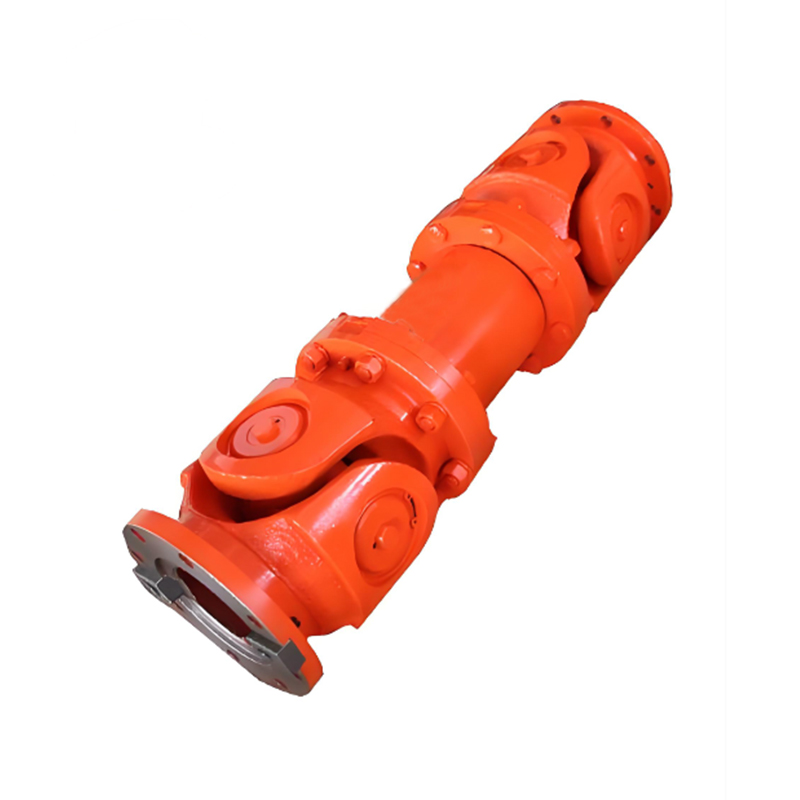
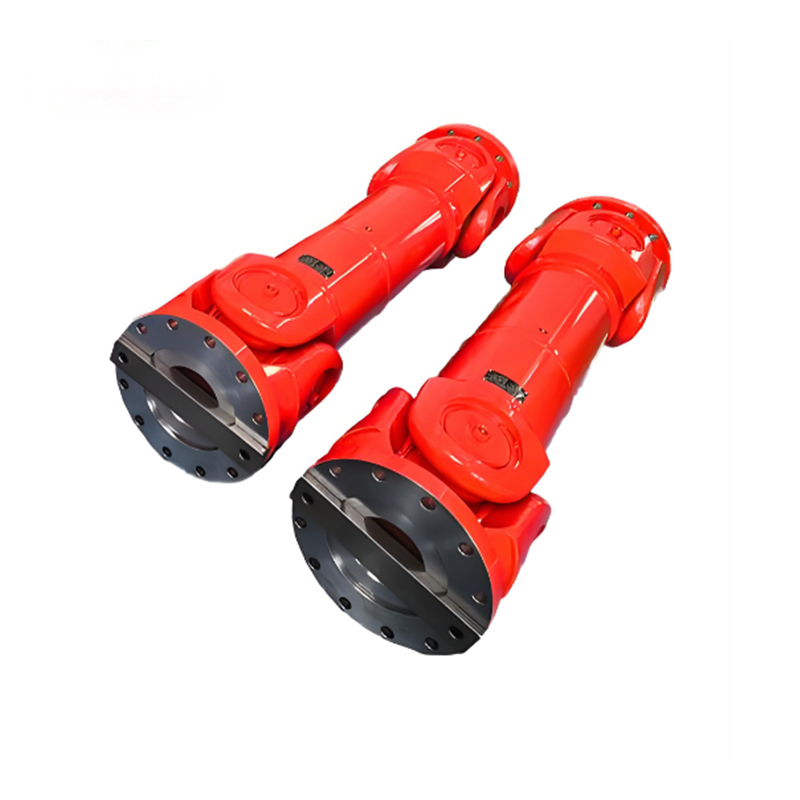
How to Specify a Cardan Shaft That Won’t Fail in Service
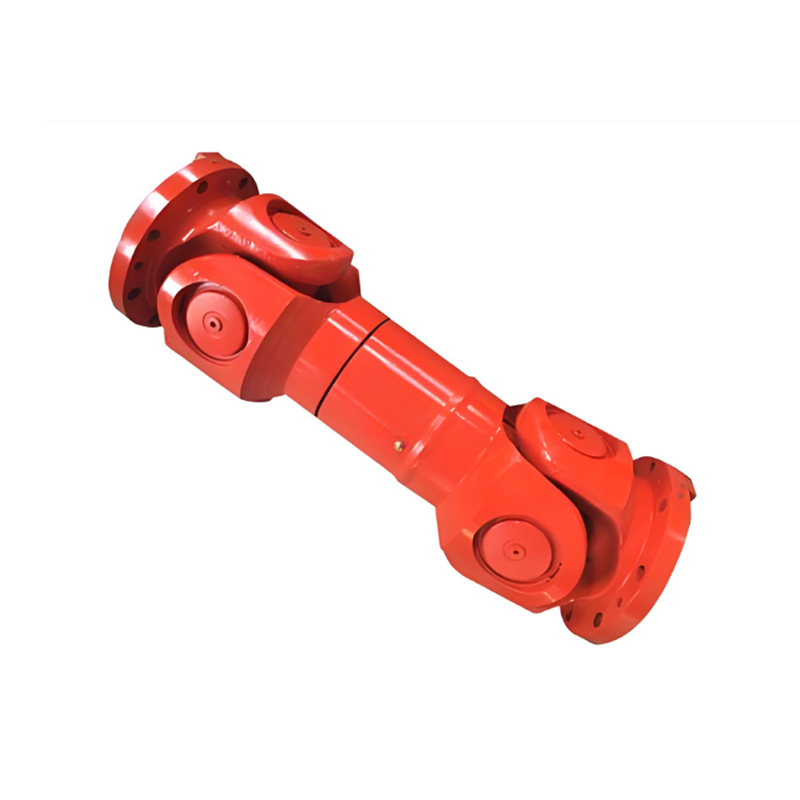
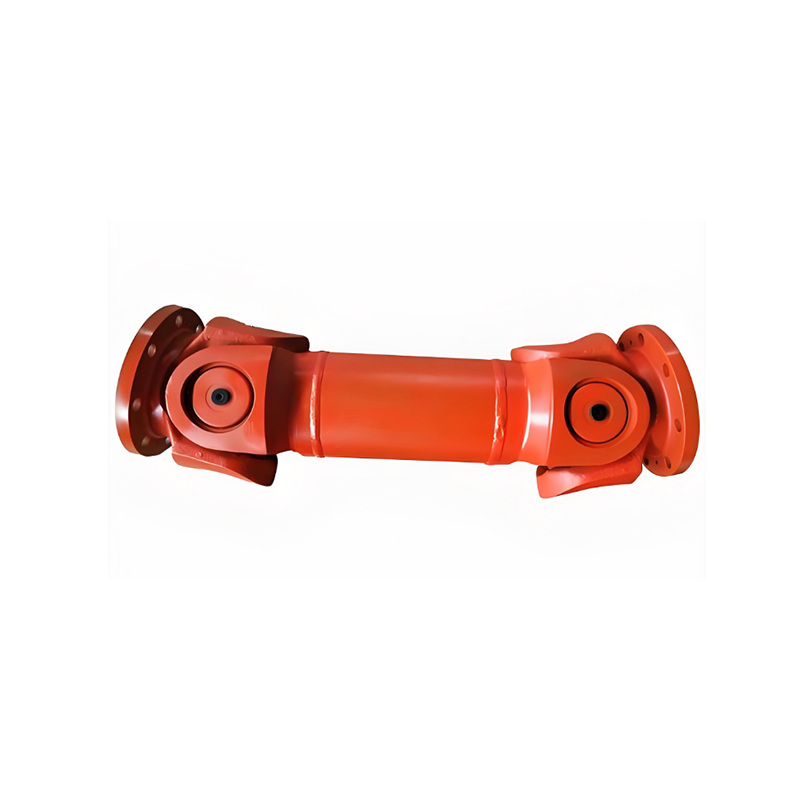
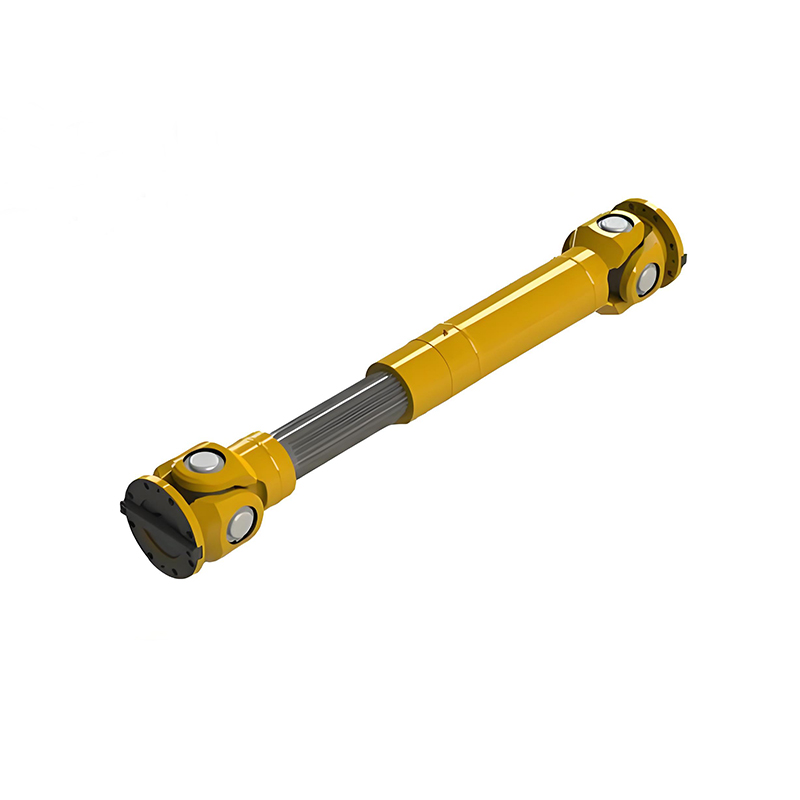
Bulk procurement succeeds when the RFQ describes the real duty, not just the overall length. For cardan drive shafts, the most common sourcing gap is missing operating angle, peak torque, and shock profile—three items that directly determine U-joint size, tube selection, and fatigue margin. As a practical rule, make sure your drawing or datasheet explicitly states continuous torque, peak (shock) torque, maximum continuous angle, and maximum intermittent angle.
- State the angle at the U-joint during normal operation and at worst-case articulation (e.g., suspension droop, machine stroke end).
- Define whether torque is smooth (fan/pump) or pulsating (crusher, reciprocating equipment); pulsation drives bearing life and yoke stress.
- Include reversal frequency (forward/reverse cycles) if applicable; reversal accelerates fretting and spline wear.
- Specify misalignment source: fixed offset vs. moving offset; moving offset requires better balance and more robust slip design.
In our production workflow, we treat “unknown duty” as a risk factor. When buyers provide the full load/angle envelope, we can select a U-joint series and tube that targets fatigue life, not just static strength, which materially reduces warranty exposure across a fleet.
Universal Joint Operating Angles and the Hidden Cost of “A Little More Angle”
Cardan shafts tolerate misalignment, but U-joint bearing life drops rapidly as operating angle rises because bearing rollers see higher oscillation and contact stress. Even when the joint survives, high angles amplify speed fluctuation and vibration. If you are deciding between a small packaging change and running higher angle, the packaging change often wins economically over the equipment lifecycle.
Practical angle management tips for procurement specs
- Use equal and opposite operating angles on the two joints (when possible) to reduce vibration and secondary loads.
- Avoid running near maximum angle continuously; reserve high articulation for intermittent events (e.g., bumps, machine transient positions).
- If high angle is unavoidable, consider design upgrades (larger joint series, stronger yokes, improved lubrication strategy, or alternative joint architecture).
From a bulk-buyer perspective, the best KPI is not “maximum angle on paper,” but stable operation at your real working angle with controlled vibration. That is why we encourage buyers to provide installation geometry early—we can often optimize the joint series and tube to reduce total landed cost.
Heat Treatment and Metallurgy: What Buyers Should Ask Beyond “High Strength”
Many drive shaft failures are fatigue-driven rather than overload-driven. That means metallurgy and heat treatment quality matter as much as nominal dimensions. Instead of asking only for “stronger material,” buyers get better outcomes by asking for the properties that control fatigue and wear: hardness profile, core toughness, and surface condition at critical interfaces (bearing seats, spline teeth, yoke fillets).
High-value verification items for bulk purchase agreements
- Hardness requirements at bearing cup seats and spline surfaces to resist brinelling and fretting.
- Toughness expectation for yokes and universal joint shafts when shock loads are present (reduces brittle fracture risk).
- Microstructure or process control documentation (heat treat batch traceability) for consistent lot-to-lot behavior.
- Surface condition controls (decarburization, grinding burns, sharp edges) at fatigue hot-spots.
Because Rokang combines heat treatment, measurement, and physical/chemical inspection in one system, we can support bulk buyers with traceability and repeatability that reduces variability across regions and end users—an important advantage when you ship globally.
Welding Quality on Shaft Tubes: Controlling Distortion and Fatigue Hot-Spots
Tube-to-yoke welding is a structural and fatigue-critical process. Distortion can increase runout; poor toe transitions can become fatigue initiators; insufficient penetration can reduce torque capacity. For high-volume purchases, it is constructive to define welding acceptance in a way that is measurable and aligned with service loads.
Useful acceptance concepts for buyers (without over-prescribing the process)
- Require post-weld runout checks at defined datum points to ensure balance is achievable.
- Define non-destructive examination sampling plans for higher-risk duty cycles (shock, reversing, high speed).
- Specify corrosion protection expectations around the weld zone (coating continuity matters in harsh environments).
In our facilities, welding is integrated with precision machining and dynamic testing, which makes it easier to keep distortion under control and to validate outcomes at scale. The procurement benefit is straightforward: less rework, fewer vibration issues, and more predictable field life.
Choosing Connection Interfaces: Flange, Yoke, or Custom Ends for Faster Field Service
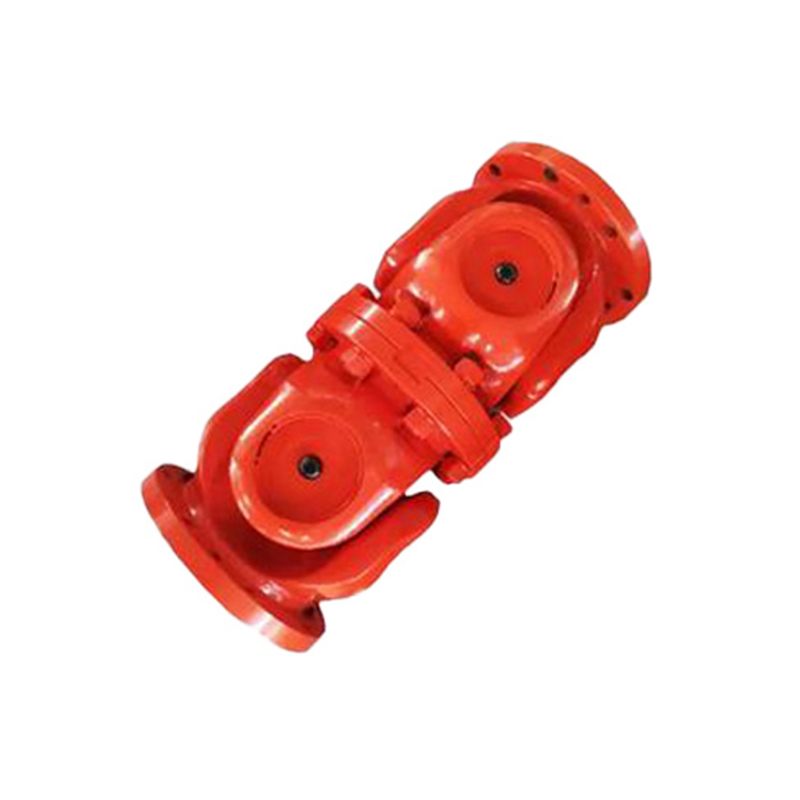
End connection design affects more than fitment—it determines service speed, interchangeability, and how reliably torque is transferred without fretting. Bulk buyers often reduce operational complexity by standardizing interfaces across multiple machine variants, then managing length and tube size as configuration variables.
Interface choices and what they optimize
Comparison of common end connections for cardan shafts and typical procurement priorities
| Connection Type |
Procurement Advantage |
Field Consideration |
| Flange |
Strong interchangeability and clear mounting datum |
Bolt torque control is essential to prevent fretting |
| Yoke / clamp style |
Compact packaging and often lower mass |
More sensitive to assembly consistency |
| Custom ends |
Optimized for unique equipment constraints |
Requires tighter drawing control and traceability |
If you manage multiple geographies, standardization is a powerful lever: fewer spare part SKUs, faster training, and less downtime. We support custom end development as well, but we always encourage buyers to define serviceability and interchangeability targets upfront.
Incoming Quality Control: Sampling Plans and What to Measure First
For high-volume orders, the fastest path to stable quality is to focus incoming inspection on a small set of “high-signal” characteristics tied to failure modes: dimensional fit, runout, hardness at interfaces, and dynamic balance evidence. Excessive inspection points increase cost without catching the issues that matter most.
High-signal inspection points for cardan shafts
- Critical interface dimensions: pilot diameters, bolt circle, key mating features, and spline fit.
- Radial runout at defined stations to predict vibration risk.
- U-joint articulation smoothness and cap retention integrity (early indicator of assembly issues).
- Surface condition at fatigue hot-spots: yoke fillets, spline edges, and weld transitions.
Rokang’s measurement, physical/chemical capability, and dynamic testing allow us to align factory inspection records to your incoming QC requirements. For bulk buyers, this means fewer disputes, faster acceptance, and more consistent downstream performance.







 English
 русский