


-
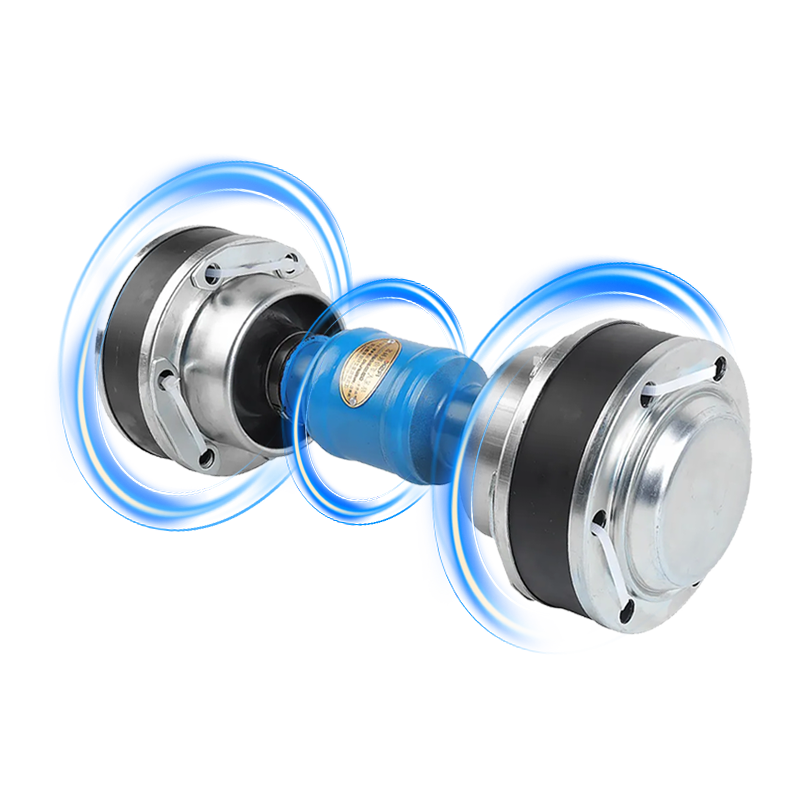
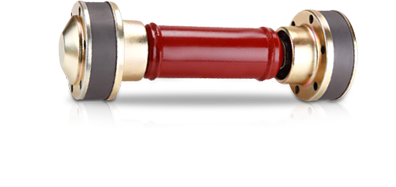
Constant Velocity(CV) JointThe constant velocity (CV) joint is a mechanical coupling designed to transmit torque smoothly at a constant velocity regardless of the joint angle. Its main components include an inner and outer race (cage), several steel balls, and a cage to guide the balls. The balls roll within the cage along designated grooves, allowing the input and output shafts to rotate at the same speed even when the joint is angled, reducing speed fluctuations and vibrations. Structural Features and Application TypesThe CV joint features a compact design and high load capacity, suitable for high-speed and high-torque transmission systems. It is commonly used in automotive drive shafts, four-wheel drive systems, and industrial machinery.
-
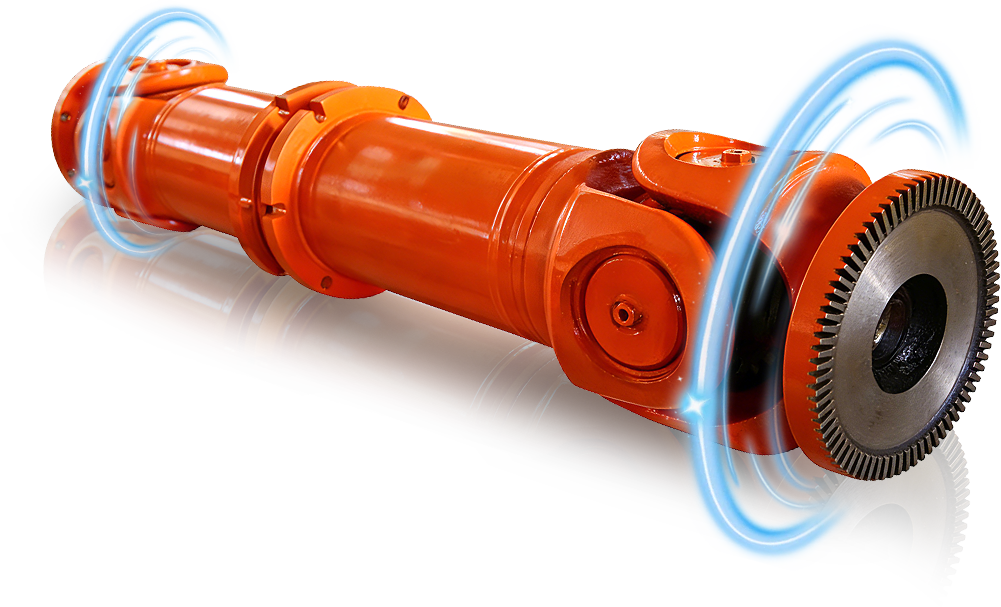
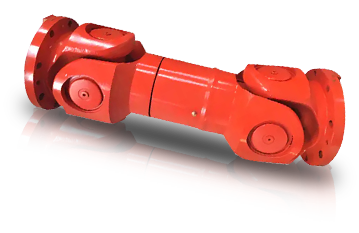
Cardon ShaftsA Cardan shaft, or driveshaft, is a mechanical component that transmits torque and rotational power between misaligned or moving parts, using universal joint (U-joints) and sometimes splines to handle angular differences and changes in distance, common in vehicles (engine to wheels), construction, and industrial machinery. It allows for flexible power transfer where direct connections aren't possible, compensating for suspension movement in cars or offsets in factory equipment Key Functions Power Transmission: Carries rotational force from a power source to a driven component. Misalignment Compensation: Allows power transfer between shafts at different angles or offsets, which is crucial for vehicle suspension or industrial machinery. Flexibility: Accommodates changes in distance and angle as components move, like wheels moving over bumps. Main Components Shaft Tube: The main body, often hollow for strength and lightness. Universal Joints (U-joints): Cross-shaped joints with bearing caps that allow bending in multiple planes. Flange Yokes: Connect the shaft ends to other parts (engine, gearbox, wheels). Applications Automotive: Transmitting power from the transmission to the differential/wheels in rear-wheel drive (RWD) or four-wheel drive (4WD) vehicles. Agriculture: Connecting tractor engines to implements. Industrial: In heavy machinery, marine applications, and plant engineering Splined Joint/Sleeve: Allows the shaft to extend or shorten as needed, compensating for axial movement.
-
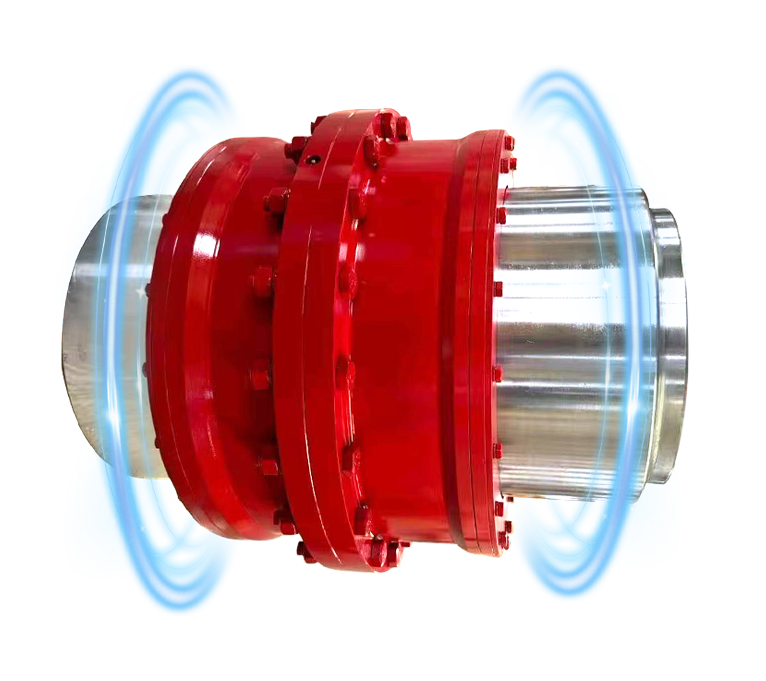
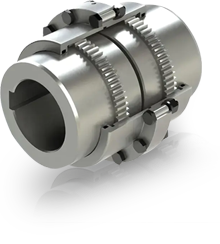
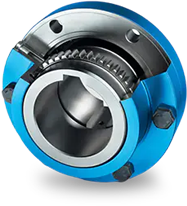
Gear CouplingsA gear coupling is a high-torque mechanical connector for non-collinear shafts, using internal/external gear teeth in sleeves to transmit power while compensating for angular, radial, and axial misalignment, making it ideal for heavy industrial uses like steel mills, pumps, and conveyors where high power density and reliability are crucial, though it requires proper lubrication and maintenance for longevity. How it works Components: Two hubs (with external gear teeth) attach to each shaft, connected by sleeves (with internal gear teeth). Misalignment Compensation: The gear teeth allow for movement, flexing to handle angular (side-to-side), radial (offset), and axial (end-to-end) misalignment between shafts. Torque Transmission: High surface contact between the crowned gear teeth provides efficient, high-torque power transfer with exceptional torsional stiffness. Key Features & Benefits High Torque: Capable of handling very high torque loads. Compact: Offers a high power-to-weight ratio, fitting into tight spaces. Reliable: Provides long service life with proper lubrication. Versatile: Available in various configurations (single/double engagement, rigid/flexible halves) for different needs. Applications Roll drives (steel, paper industries) Pumps, fans, conveyors Power generation equipment Maintenance Requires periodic lubrication (grease) to protect the gear teeth. Proper alignment during installation is critical for reliability and longevity.
-
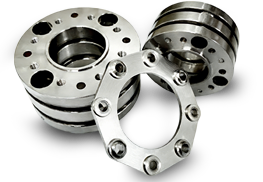
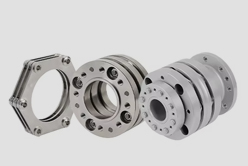
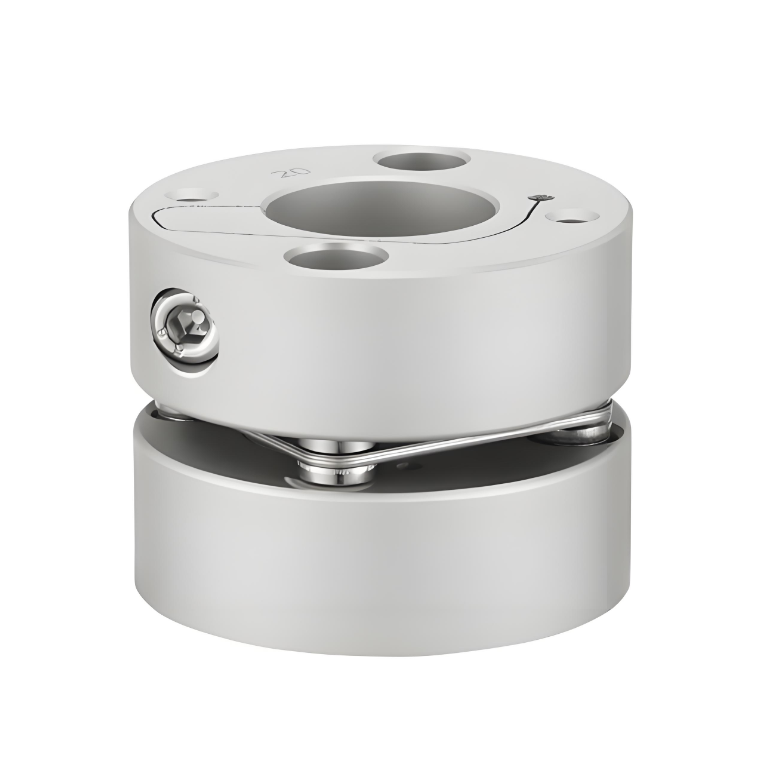
High Speed Diaphragm CouplingsA high-speed diaphragm coupling is a wear-free, maintenance-free mechanical connector for shafts, using thin, flexible metal diaphragms (like stainless steel) to transmit high torque while absorbing axial, radial, and angular misalignment without backlash, making it ideal for turbomachinery (pumps, compressors) where precise, reliable, high-speed power transfer is critical. Its design, often with separated inner/outer diameters, prevents fretting corrosion, and its torsional stiffness can be tuned for specific equipment, offering significant advantages over lubricated couplings like gear couplings. Key Features & How It Works: Flexible Element: One or more thin, elastic metal diaphragms (flat, convoluted, or spoked) are the core components. Torque Transmission: Torque flows from one shaft flange, through the diaphragm's outside diameter, across the diaphragm, and to the other shaft's hub at the inside diameter. Misalignment Accommodation: The diaphragm flexes to allow for shaft movement (axial, radial, angular), preventing damaging forces on connected equipment. Torsional Stiffness: Achieved by varying diaphragm thickness or diameter, allowing engineers to tune the coupling's critical speed to avoid resonance. No Lubrication Needed: Because there's no rubbing or relative motion between flexing parts (unlike gear couplings), it's wear-free, quiet, and maintenance-free. High Performance: Excellent for critical applications due to high torque density, low weight, and reliable performance in demanding conditions, often outperforming gear couplings in vibration and temperature. Why High Speed? Reduced Vibration: Its ability to manage torsional vibrations helps protect sensitive high-speed machinery. Long Life: Designed for infinite life within specified limits, reducing downtime. Applications: Used in turbines, compressors, pumps, generators, and other high-tech industrial equipment. In essence, a diaphragm coupling connects rotating shafts with high precision and reliability, flexing to handle misalignment without friction, making it a superior choice for high-speed, high-torque power transmission.
-
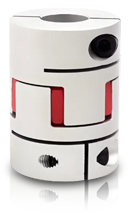
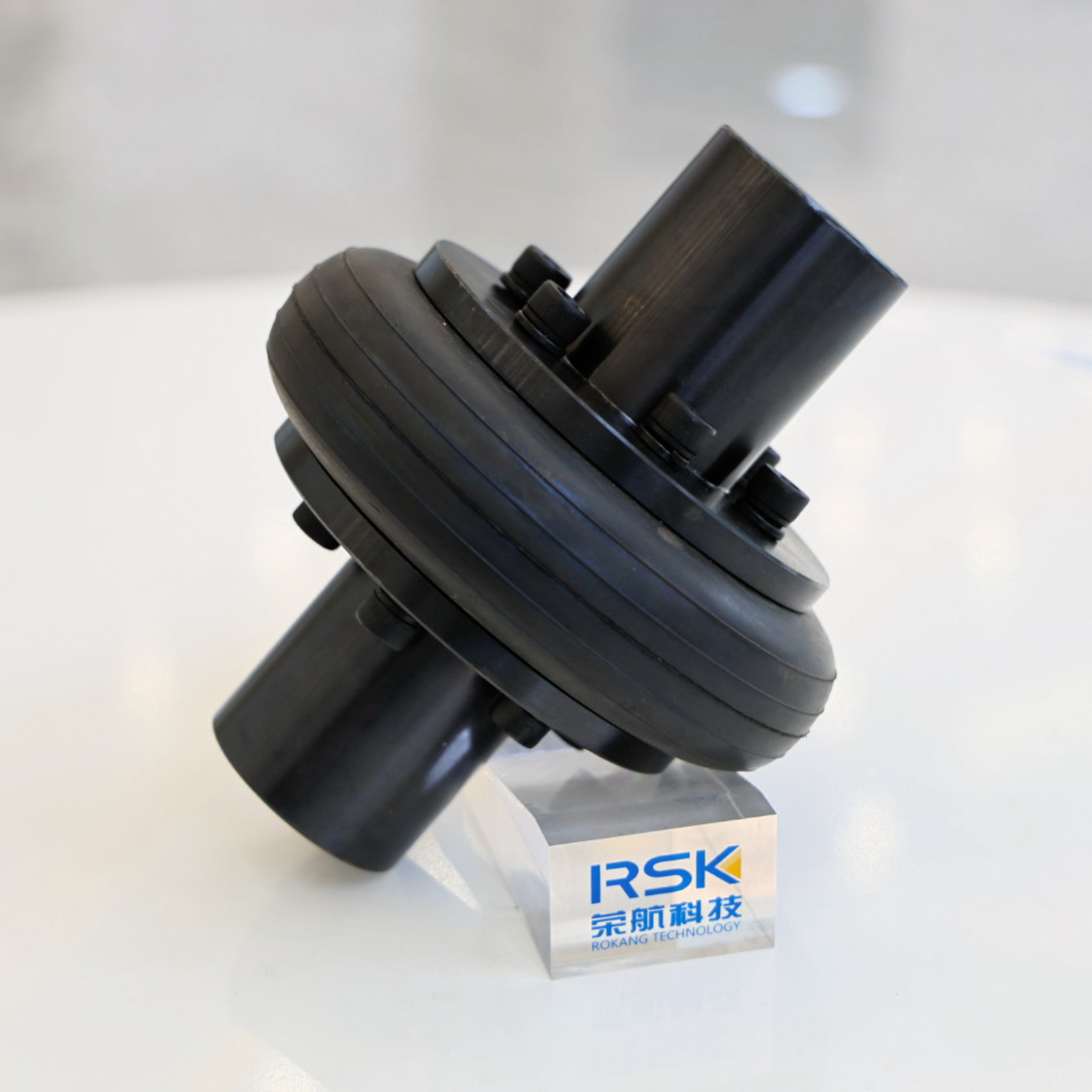
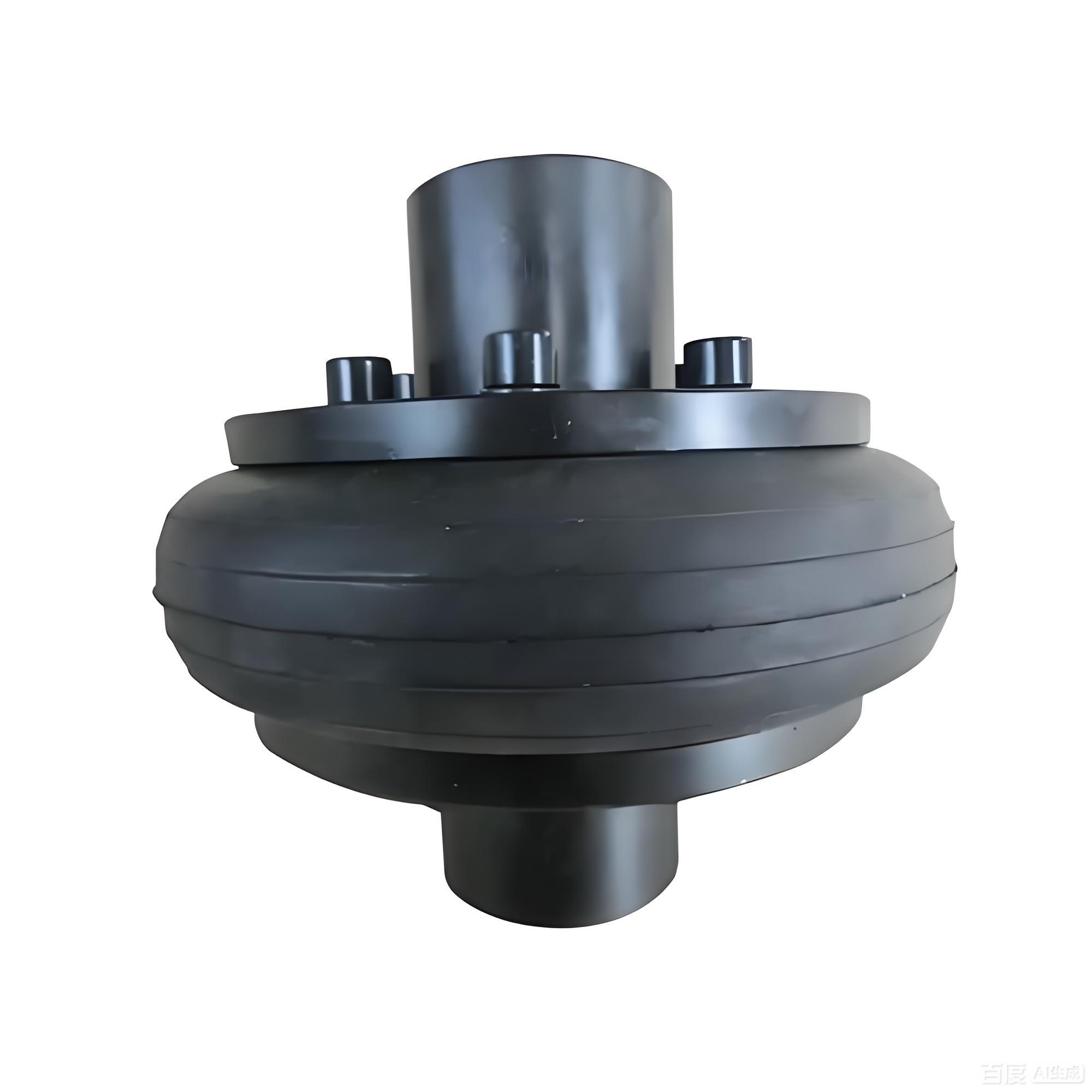
Flexible CouplingsA flexible coupling connects two shafts to transmit torque while compensating for minor misalignments (angular, parallel, axial), dampening vibrations, and absorbing shock, preventing damage to machinery like motors and pumps, and improving system longevity, with types ranging from elastomeric jaw couplings to metallic gear or diaphragm couplings. What it does Transmits Power: Connects two rotating shafts to move power from a driver (like a motor) to a driven component. Accommodates Misalignment: Allows for slight imperfections in shaft alignment (angular, parallel, axial) that are common in real-world machinery. Dampens Vibration & Shock: Absorbs torsional vibrations and shock loads, reducing wear on bearings and other parts. Provides Protection: Can act as a "mechanical fuse" to fail before more expensive components break during severe overloads. Key benefits Reduces Downtime: Prevents premature failure by handling dynamic operating conditions. Enhances Performance: Improves accuracy and lifespan of connected equipment. Versatile: Many designs cater to specific needs, from high-speed precision to heavy-duty industrial tasks. Common types Jaw Couplings: Use elastomeric inserts (like spiders) for shock absorption, common in electric motors. Gear Couplings: High torque capacity, using external/internal gear teeth for flexibility. Diaphragm Couplings: Transmit torque via thin metal diaphragms, good for high speeds. Pin & Bushing: Simple, cost-effective design using rubber bushes. Tire Couplings: Feature a rubber tire element that provides high torsional flexibility, ideal for systems with significant misalignment or impact loads. Applications Industrial power transmission (pumps, conveyors). Robotics and automation. CNC machinery. HVAC systems. How they work (Example: Jaw Coupling) Two hubs connect to each shaft. An elastomeric insert (spider) sits between them, often with curved jaws. Torque is transmitted through the insert, which flexes to manage angular, parallel, or axial misalignment, while dampening vibrations.
-
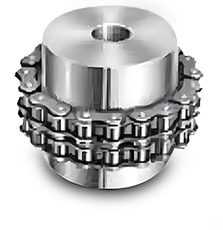
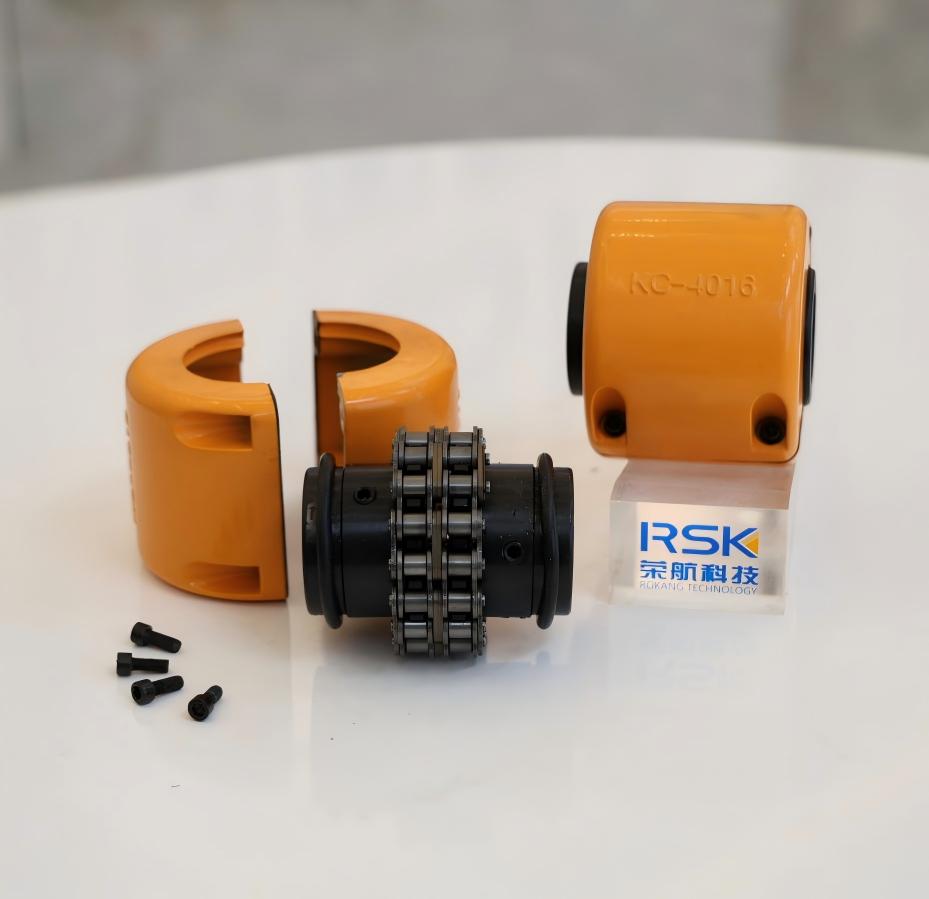
Chain CouplingsA chain coupling is a robust power transmission device using two sprockets and a double-strand roller chain to connect shafts, allowing for easy connection/disconnection and accommodating significant shaft misalignment while transmitting torque, suitable for various industrial uses, especially when lubrication is maintained for high speeds. Components Sprockets: Two sprockets with teeth that mesh with the chain, often hardened for durability. Roller Chain: A strong, double-strand roller chain wraps around both sprockets. Split Case (Optional): A two-part housing that covers the coupling for protection and lubrication, often with O-rings to retain grease. Key Features & Benefits Easy Connection: A single pin allows for quick assembly and disassembly, reducing downtime. High Durability: Torque is shared between the chain and hardened sprocket teeth for robust performance. Misalignment Compensation: Internal clearances absorb parallel, angular, and axial misalignment between shafts. Compact & Powerful: Offers high torque capacity for its size. Versatile: Available in various materials (steel, resin) for different environments, from general power transmission to dirty or corrosive conditions. Usage Considerations Lubrication is Crucial: Requires adequate grease within the cover for high-speed operation and long life; poor lubrication can lead to chain breakage. Installation: Proper alignment of sprockets and shafts is important for optimal performance.
-
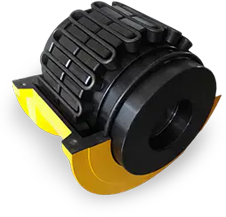
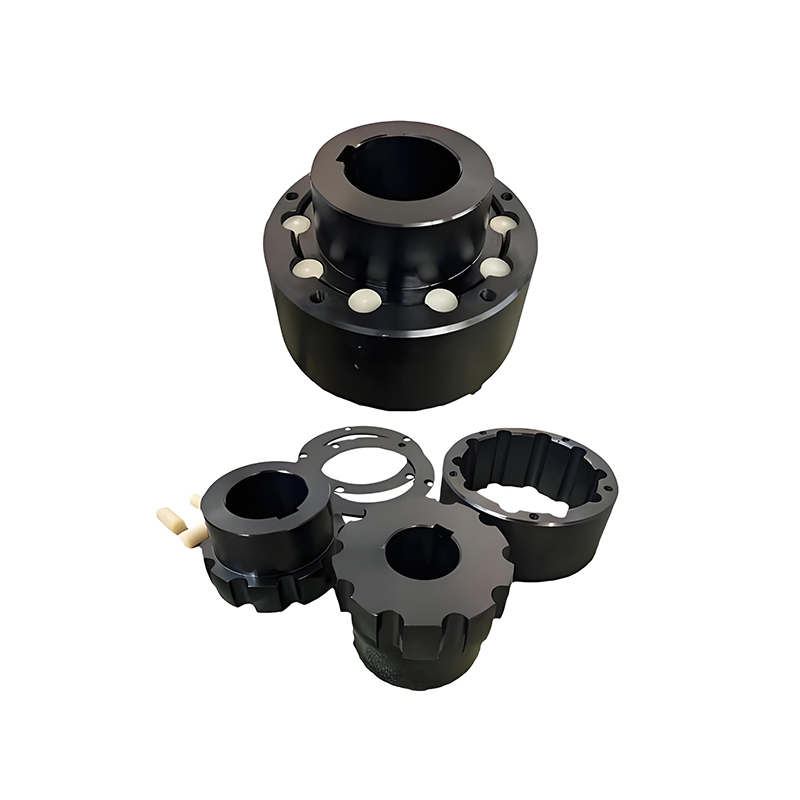
Serpentine Spring CouplingA Serpentine Spring Coupling(Snake Spring Coupling) is an advanced, metal flexible coupling that connects two shafts, transmitting torque using snake-shaped springs embedded in grooved half-couplings, offering superior vibration damping, shock absorption, and compensation for shaft misalignment (axial, radial, angular) while allowing easy maintenance, making it ideal for heavy-duty machinery like crushers and pumps. Key Components Half Couplings: Two grooved metal pieces that grip the shafts. Serpentine Springs: Specially shaped, high-strength steel springs (like a wave or snake) placed in the grooves. Half Housings & Seals: Cover and protect the springs, often with lubrication. How it Works Torque Transmission: Power moves from the driving shaft to its half-coupling, then through the snake springs to the other half-coupling and the driven shaft. Vibration & Shock Absorption: The unique elastic deformation of the serpentine springs absorbs energy from shocks and vibrations, preventing them from reaching connected equipment. Misalignment Compensation: The springs' flexibility allows them to handle axial (end-to-end), radial (side-to-side), and angular (angled) shaft misalignments without losing efficiency. Advantages Excellent Dampening: Significantly reduces resonance and vibration. High Load Capacity: Can handle short-term overloads (2-3x rated torque). Easy Maintenance: Simple structure allows for quick assembly/disassembly, even without moving the connected machines. Versatile: Suitable for high-speed, high-torque, and reversing Applications. Durable: Longer life than non-metallic couplings. Typical Applications Crushers, ball mills, and mining equipment. Steel rolling mills, cranes, and elevators. Pumps, compressors, and agitators in petrochemicals. Machine tools and fans in general machinery.
-
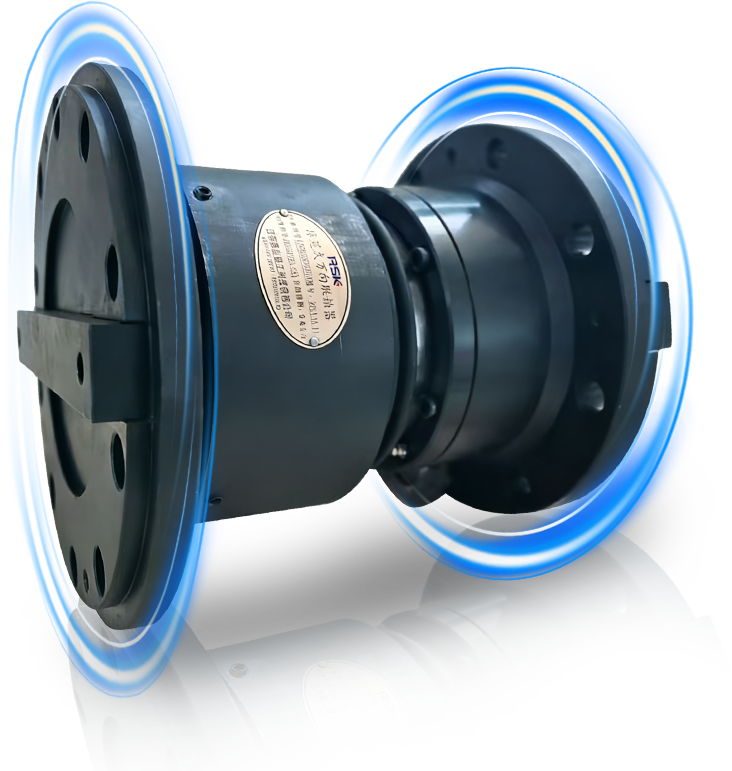
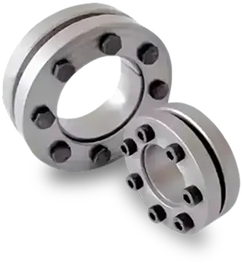
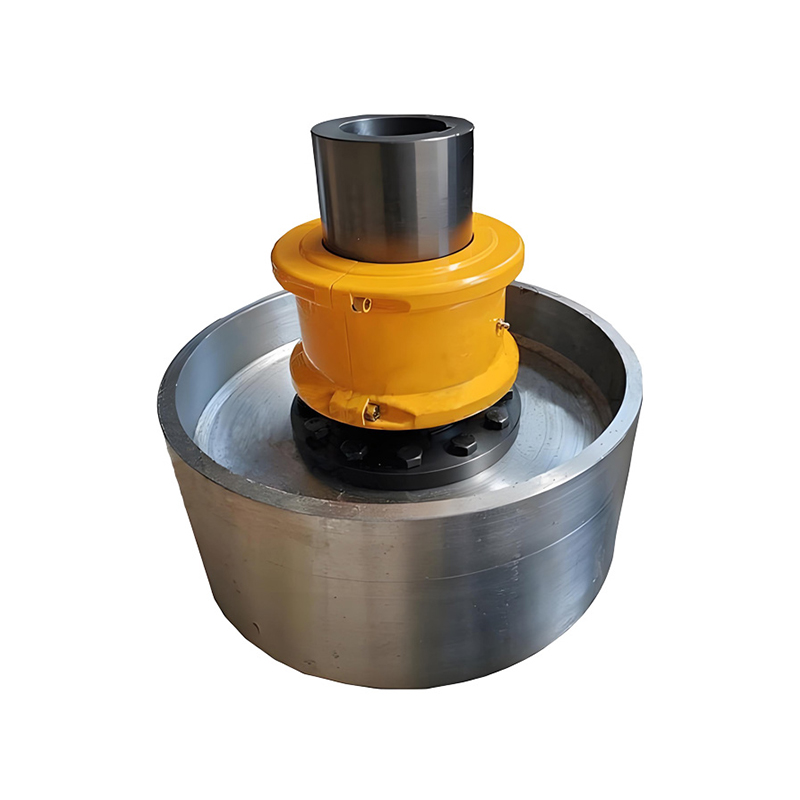
Locking AssemblyA locking assembly is a keyless mechanical device that creates a strong, friction-based connection between a shaft and a hub (like gears, pulleys, or flywheels) by using conical rings that expand to generate a powerful, backlash-free compression fit, allowing reliable torque transmission and preventing stress concentration issues common with keyways. How It Works Components: It typically consists of a hollow shaft, a hub, and one or two pressure rings (often double-tapered). Installation: The assembly is placed between the shaft and the hub. Clamping: Screws are tightened, pulling the conical rings together, which forces them to expand radially. Friction Lock: This radial expansion creates a uniform 360-degree clamping force, generating a strong frictional fit (shrink fit) between the shaft and the hub. Key Advantages No Keyways: Eliminates stress points and wear associated with traditional keyways, preventing fretting and corrosion. High Torque Capacity: Can transmit higher torques and bending moments than keyed connections, often allowing for smaller, thinner shafts. Precision: Offers highly concentric and precise positioning of components. Versatility: Available in self-centering or non-self-centering types, with or without axial displacement. Common Applications Used for mounting components like: Gears, sprockets, chain wheels Pulleys, belt drums Brake discs, flywheels, cams, and levers In essence, it's a superior, keyless alternative for robust shaft-hub connections, ideal for demanding industrial applications.
-
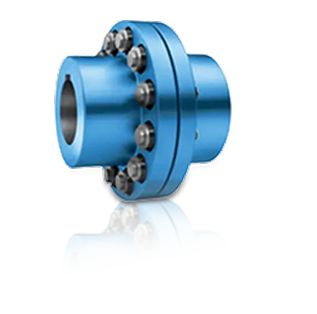
DIN CouplingsDIN couplings are mechanical shaft connectors manufactured in accordance with German Industrial Standards (DIN). They are designed to transmit torque between two shafts while compensating for misalignment. Known for their standardized dimensions, reliable structure, and good interchangeability, DIN couplings are widely used in machinery, automation systems, pumps, fans, and various industrial transmission applications. Common types of DIN couplings include gear couplings (e.g., ZAPEX couplings), elastic couplings, diaphragm couplings, and universal joints. Gear couplings are ideal for high-torque applications with good misalignment compensation; elastic couplings are suited for medium and light-duty systems where shock absorption is needed; diaphragm couplings serve high-speed and high-precision drives. Based on different mechanical requirements, users can select the appropriate DIN model for safe and efficient torque transmission.
-
Antivibration SystemRokang Technology -- your partner in the research, development and production of drive system components and solutions. The Antivibration System( Flexbile drive shaft Assembly) produced by Rokang with torque ratings of 60-30000 N.m which applicable to marine applications, especially for yachts. Rokang different models designed to match boats powered from 5hp to 1500 hp,we have a system that's right for nearly any boat. Future: More silent than any comparable gearbox to prop shaft coupling. Smoother engagement of gearbox. Absorption of driveline vibrations by the Vulkan Megiflex coupling. Preventing high frequency vibrations from causing wear or damage to the prop shaft installation. Allows for even softer flexible engine mounts. Length compensation by the CV drive shaft, so no thrust loads on the Megiflex coupling. Ease of installation; the unit comes in three main components: thrust block, CV drive shaft and fully assembled Vulkan Megiflex unit with premounted gearbox adaptor flange. Saving installation time; because the system contains a drive shaft with two CV joints (unlike other systems), it ‘hinges’ on these two CV joints, which makes installing the unit a piece of cake! All installation materials like bolts, nuts, washers and gearbox adaptor flange included. No maintenance required. Greater torque, smaller size. Outstanding technology to improve boats worldwide Whether you are a professional marine engine installer or an enlighteded boat owner,we can help you find the system that's right for your boat.
English
русский