






 English
 русский
 中文简体
中文简体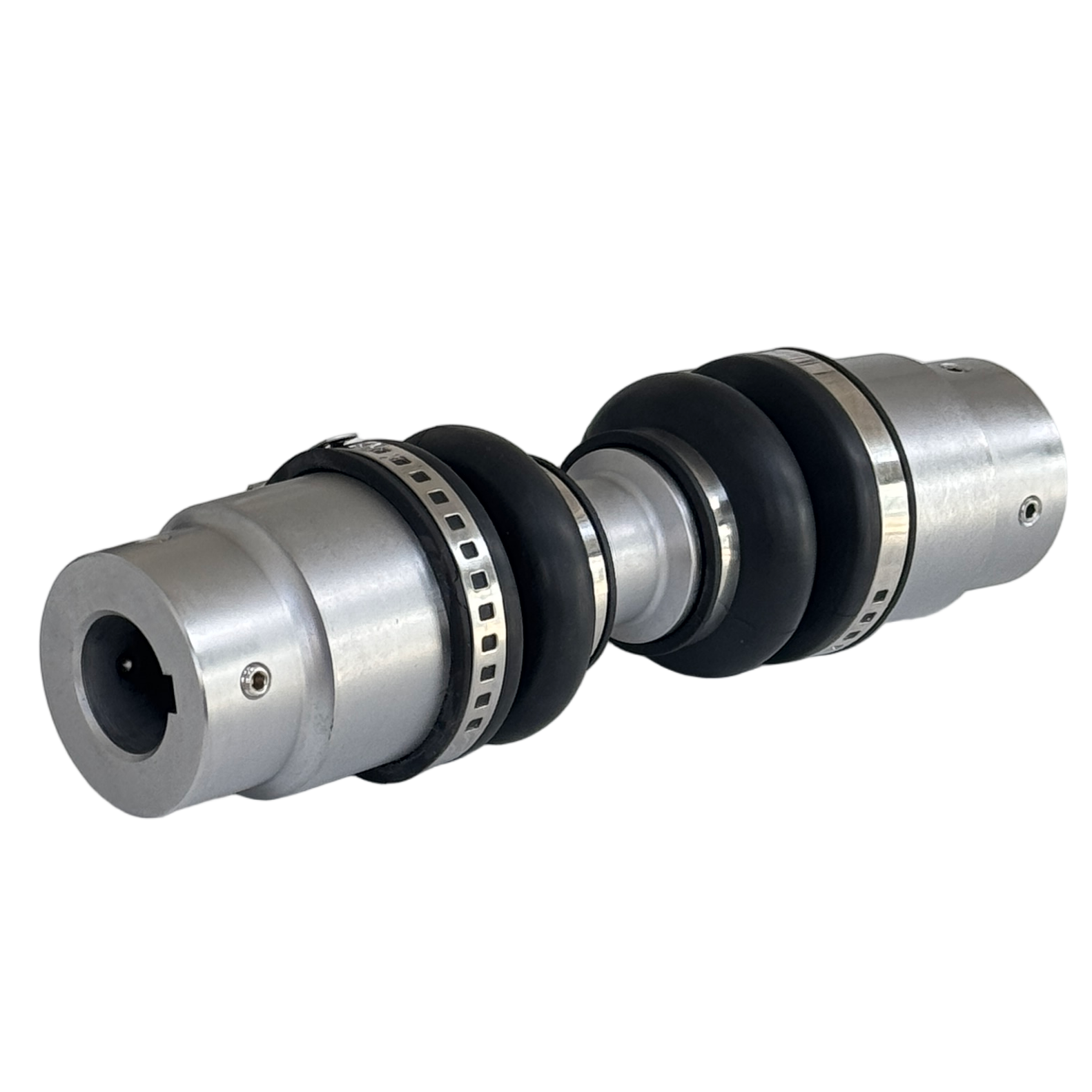
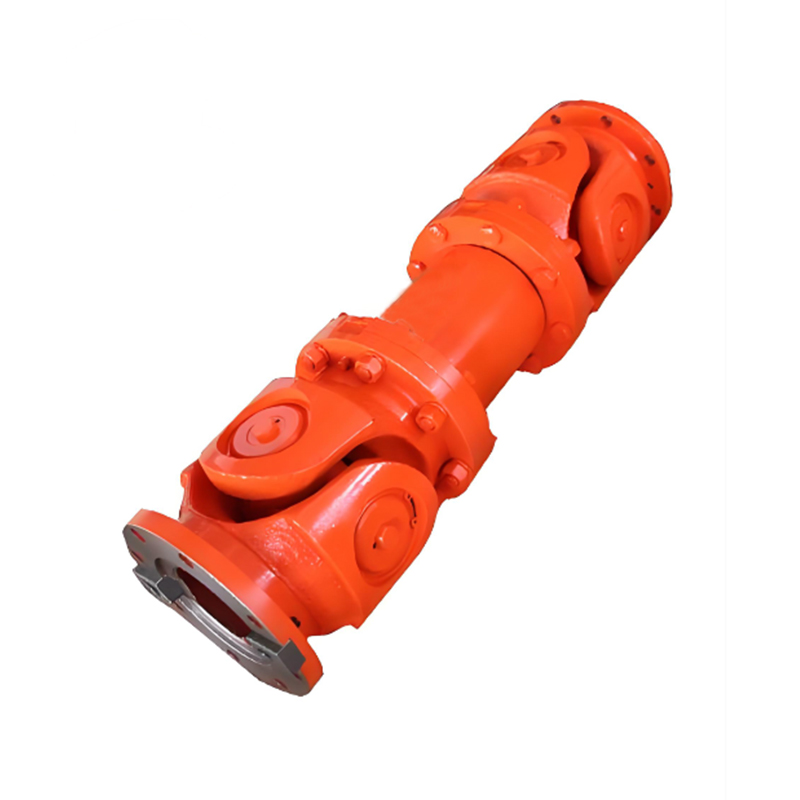
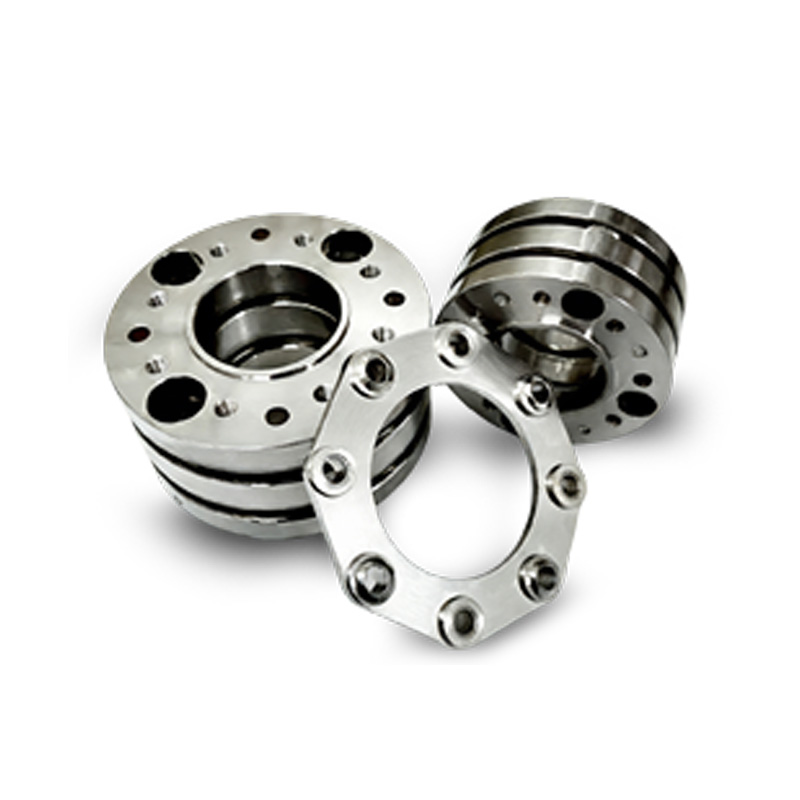
RSK-BJDF Manufacturing high-performance industry CV Joint Fixed Type
RSK CV Joint (ball cage constant velocity joint) is a high-performance transmission component. We offer a reliable, cost-effective CV Joints. Its stru...
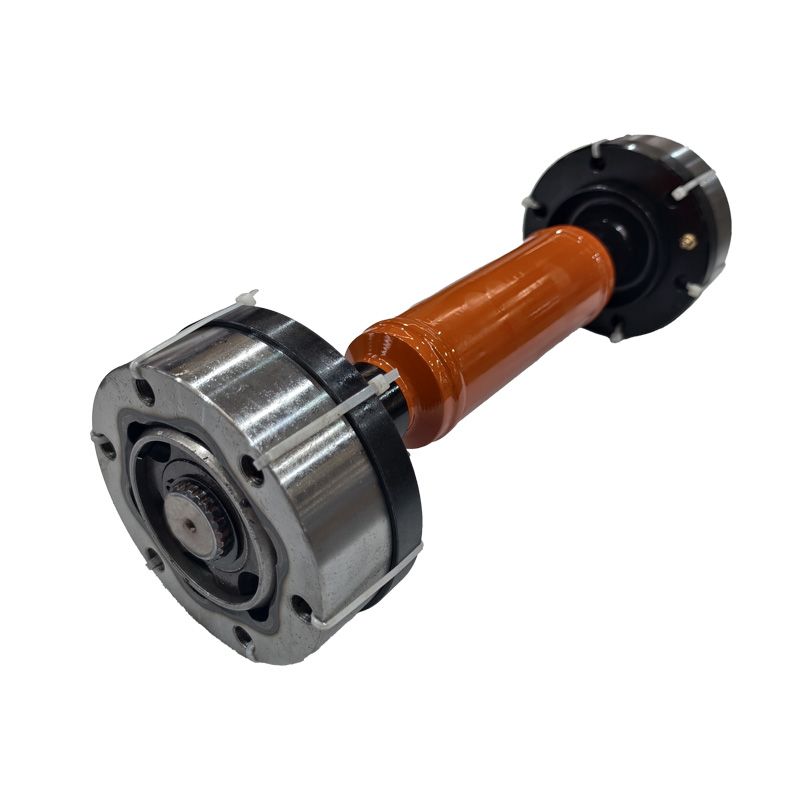
RSK CV Joint (ball cage constant velocity joint) is a high-performance transmission component. We offer a reliable, cost-effective CV Joints. Its stru...
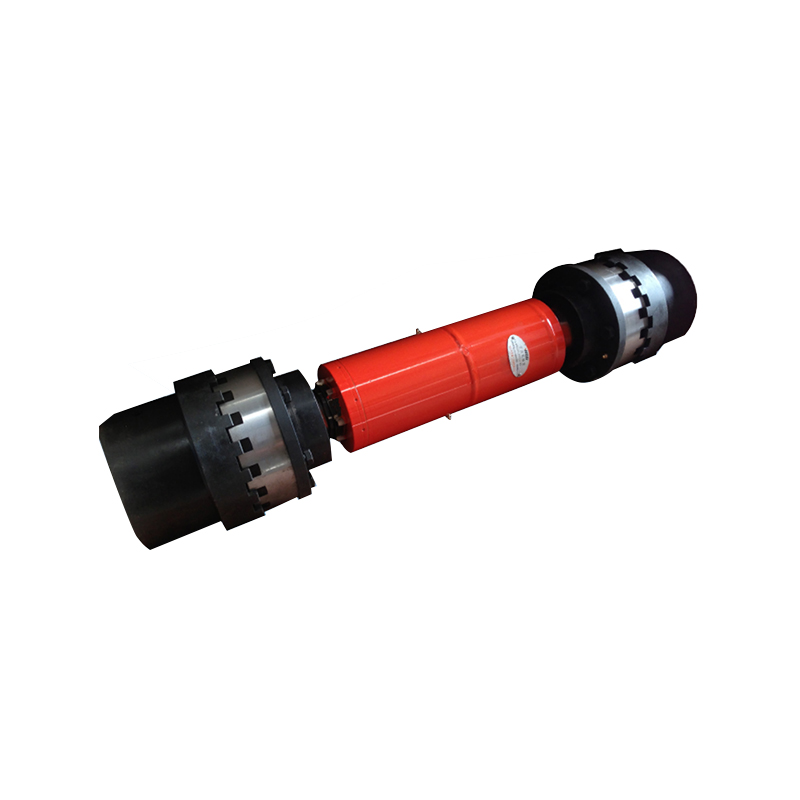
The Fixed ball cage Constant Velocity Synchronous Universal Coupling large extension is a transmission component that combines innovative design and e...
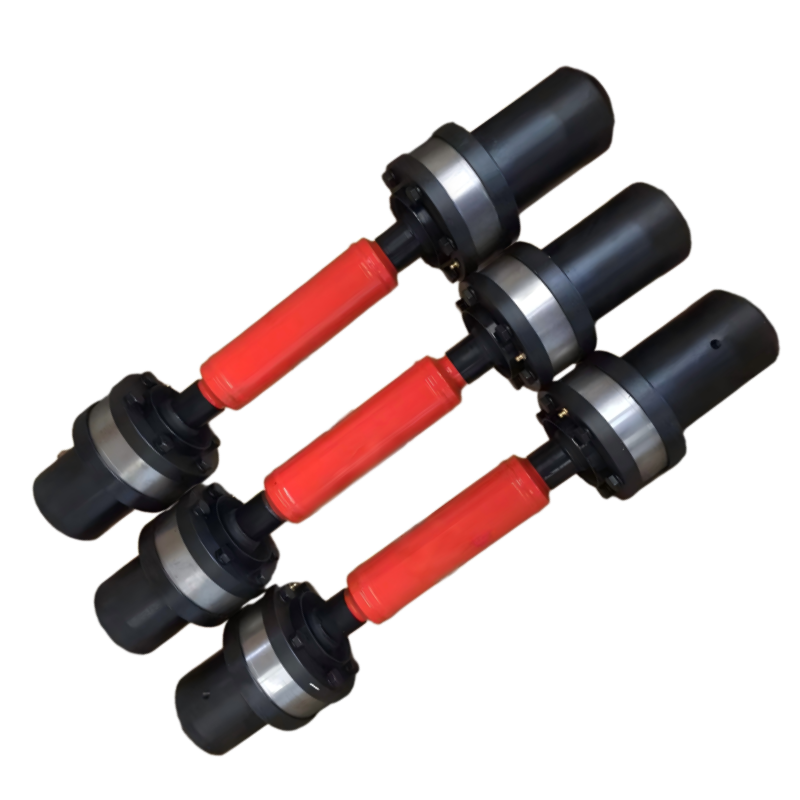
The arc groove ball cage constant speed universal coupling is a precision component that plays a key role in the field of modern industrial transmissi...
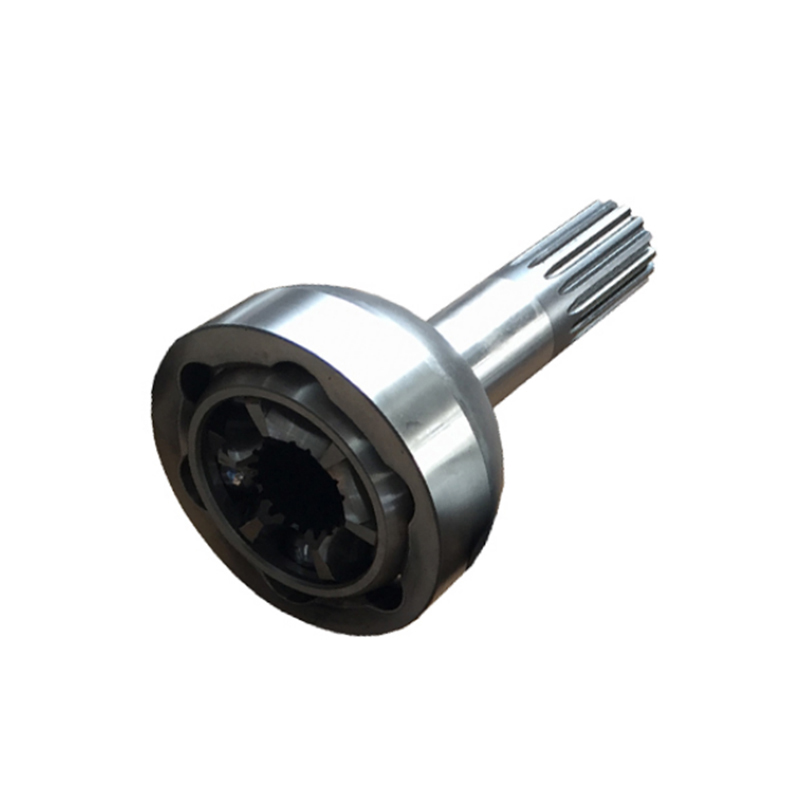
The high-efficiency transmission ball cage CV Universal couplings is a precision transmission component designed for complex working conditions. Its e...
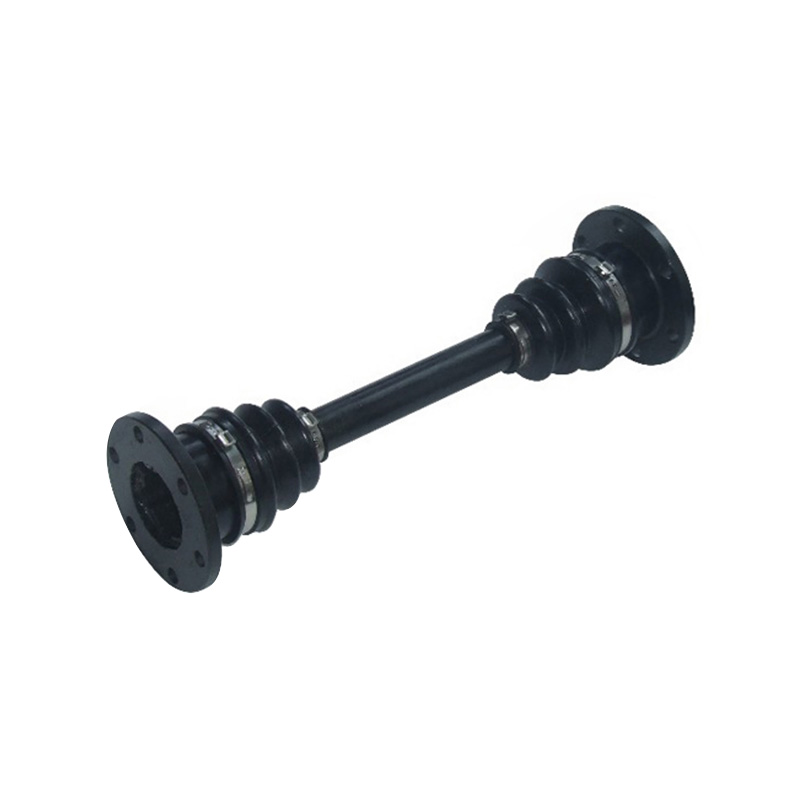
This Rokang R&D ball cage CV universal joint is an innovative product in the field of industrial transmission, designed for complex working condit...
Fixed Disc Type
Features
Greater allowable operating angle
Though varying depending on the CVJ size and intended RPM, the maximum allowable operating angle of this type ofjoint is 18° with boot.
No slide splines are needed for the intermediate shaft
The intermediate shaft does not need slide splines since theaxial expansion and installation mounting distance adjustmentare achieved by the sliding splines of the inner race and shaft atthe free side.
Shorter shaft length
The intermediate shaft can be designed to be much shortersince it does not need slide splines.
Capable of high-speed rotation
The solid shafts for high-speed joints have been precision-machined and the steel pipe shafts have been dynamically balance.
Higher level of safety
A cylindrical outside surface means that while handling, the fingers of worker are not pinched with the yoke.
Fixed Cup Type
Features
Greater allowable operating angle
The maximum allowable operating angle with the CVJ properis 42°. Though varying depending on the intended RPM, the maximum allowable operating angle of the joint equipped with aboot is 25° at dynamic state, and 38° at static state.
Superb sealing, and lubrication-free
Being sealed with bellows type boots, the CVJs can be usedin environments where they may be fnequently subjected towater splash, humidity and dust.
Greater expansion
The CVJs with intemediate slide spline shaft offer greateraxial expansion.
Easy installation and removal
The CVJ proper is secured to the flange hub with through bolts. Thus, the joint can be readily installed or removed.

In mass production and machining of industrial couplings, bulk heat treatment determines the substrate strength and toughness of components, while surface treatment directly controls the wear resistance, dimensional accuracy, corrosion resistance and service life of parts. It serves as a core process to address common ...
READ MOREA petrochemical circulating pump train lost a gear coupling every nine months. The root cause was a motor outlet flange sitting 1.2 mm above the pump inlet, a number well within cold-alignment tolerances but destructive for lubricated gear teeth at 3,600 rpm. The maintenance team switched to a double-diaphragm couplin...
READ MOREThe first decision in choosing a flexible coupling is not about brand or price. It is about defining the exact misalignment your machine will produce during operation. Once that number is clear, the rest of the selection process becomes a matter of matching coupling stiffness, torque capacity, and service environment ...
READ MOREAngle Ratings: Why “Boot-On” Numbers Are Usually the Real Constraint
Bulk buyers frequently benchmark by “maximum angle,” but in practice the limiting factor is often the boot: fold geometry, clamp retention, grease displacement, and heat at dynamic articulation. Treat “with boot” values as the purchasing baseline because that is what runs in the field.
When we quote for volume, we prefer to align angle ratings to your measured vehicle/rig geometry and then validate on a dynamic test plan—this is where a one-stop manufacturing and inspection capability helps keep results consistent across batches.
When RPM increases, Fixed Type CV Joints performance becomes less about nominal torque and more about vibration control and thermal management. Even a robust joint can underperform if the shaft-joint assembly is not balanced to the application’s sensitivity.
We invest heavily in precision machining and dynamic testing because for high-speed applications the winning formula is machining accuracy + balance + validated lubrication, not a single “strongest material” claim.
Sealing performance determines whether you have a “lubrication-free” field life or recurring joint failures from contamination ingress. Bellows-type boots typically provide robust sealing for water splash, humidity, and dust, but only if clamping and bellows geometry match the duty cycle.
In our experience supporting export markets, the most cost-effective improvement for harsh environments is often a boot-and-clamp upgrade validated by testing—not an overdesigned joint that still ingests contaminants.
Fixed cup type joints are commonly secured to a flange hub with through bolts, enabling convenient installation and removal. For volume programs, the interface design and tightening strategy are where long-term reliability is won or lost.
When we supply for large-scale builds, we prefer to provide a consistent torque spec package with inspection checkpoints—stable interfaces protect your downstream assembly yield and your field reputation.
Bulk buyers sometimes overlook handling ergonomics as “non-technical,” but injury risk and assembly-time variability become measurable costs at scale. A cylindrical outside surface reduces pinch points compared with yoke-like geometries, improving operator safety and consistency.
We have seen that improving handling safety is not only “nice to have”—it can directly reduce rework and stabilize throughput, especially when production volumes scale rapidly.
For high-volume sourcing, the goal is to detect deviations before they become field failures. Fixed Type CV Joints demand a blend of dimensional control, material verification, and dynamic performance checks because multiple small deviations can compound into vibration, heat, or wear.
Because we operate integrated machining, heat treatment, and dynamic testing, we can typically close the loop faster when a parameter drifts—this is one reason many bulk buyers prefer a supplier with end-to-end capability rather than a fragmented supply chain.
Get in Touch
Your email address will not be published. Required fields are marked *
Have a project in mind? Contact with us!
We are happy to answer your questions. Please fill out this form and one of our professional team will get back to you as soon as possible.

A professional manufacturer specializing in the production of various types of couplings! Fixed Type CV Joints Suppliers in China.

