



 English
 русский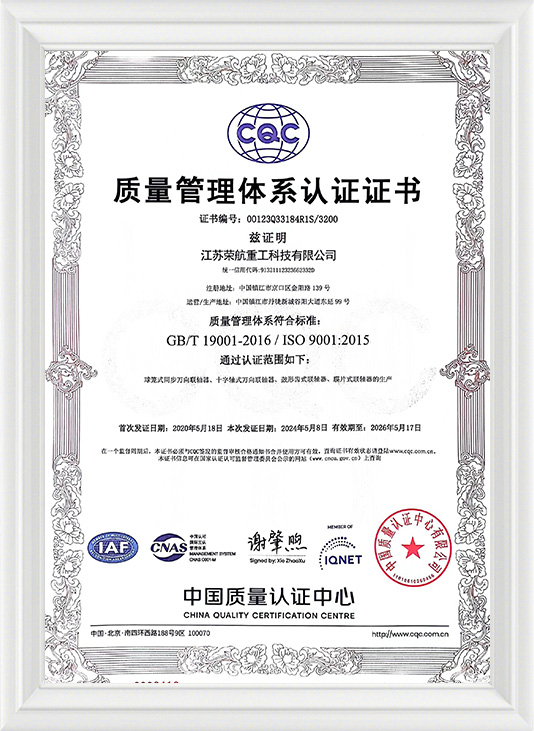
We are pleased to announce that the official website of Jiangsu Rokang Heavy Industry Technology Co., Ltd. is now online. Here you can learn about our latest product information, service introduction,...
Read More +86-13861355442
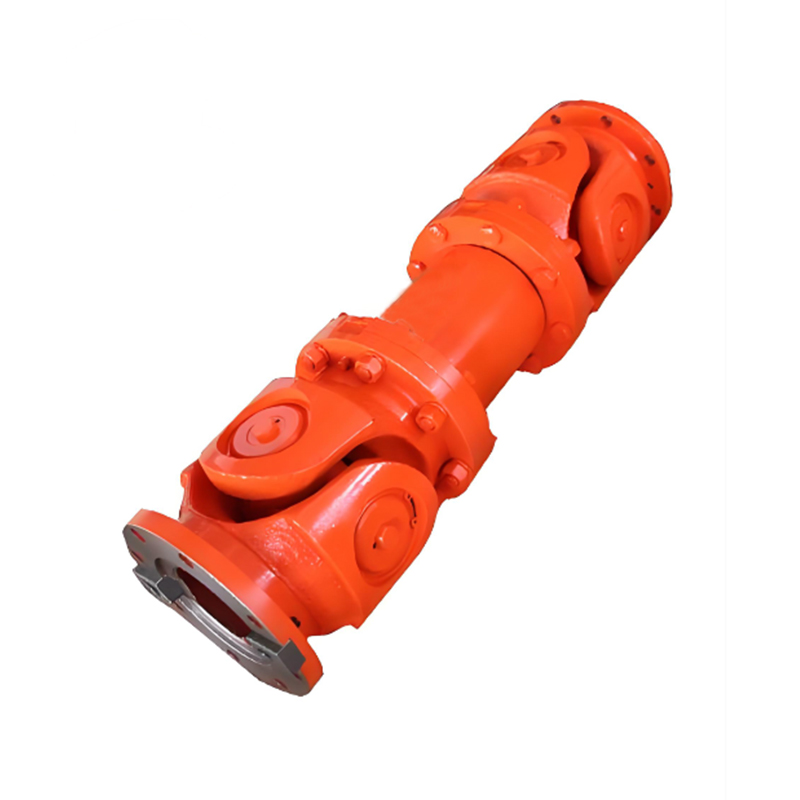
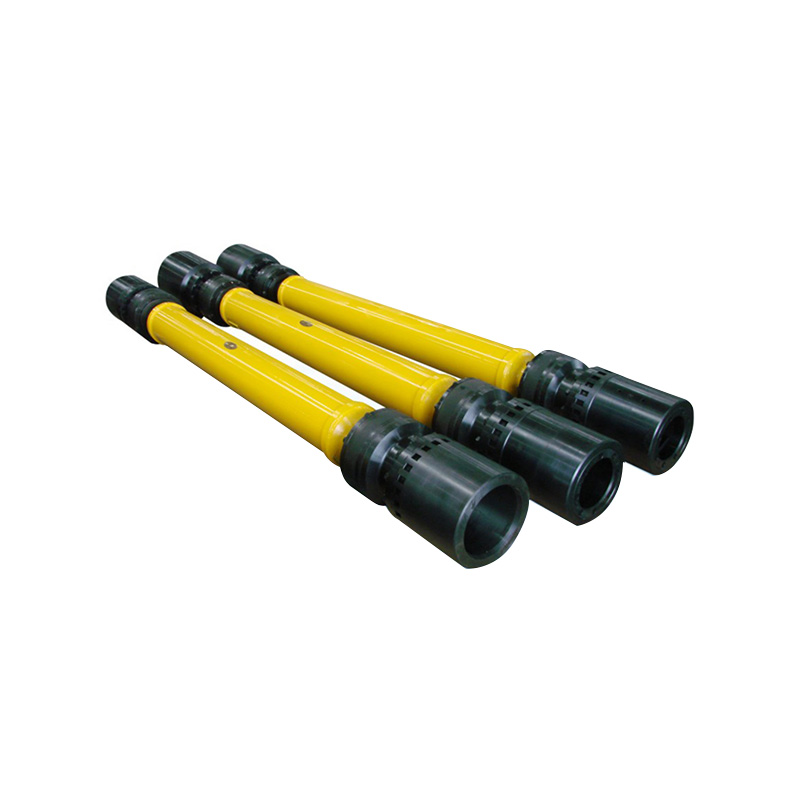
SWC BF Large-scale standard telescoping flange cross shaft universal joint High Transmission Efficiency
- Specification
- Describe
Specification
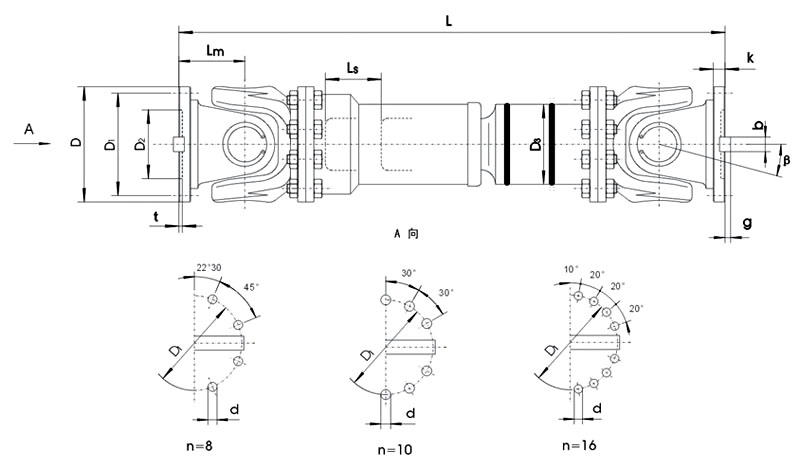
Compensates for Large Angular Misalignment
Compact Design with High Load Capacity
High Transmission Efficiency
High Reliability and Relatively Simple Maintenance
Suitable for Harsh Environments
|
P/N |
Tactical Diameter D/mm |
Nominal torque Tn/kN.m |
Fatigue torque Tf/kN.m |
Axial Displacement Ls/mm |
Angular Misalignmentβ/(。) |
Dimension(mm) |
Dynamic Moment of InertiaI (kg·m2) |
Weight ( Kg) |
||||
|
|
|
|
|
|
|
Lmin |
D3 |
Lm |
Lmin |
Ever 100 mm of increase |
Lmin |
Ever 100 mm of increase |
|
SWC180BF |
180 |
12.5 |
6.3 |
100 |
≤25 |
810 |
114 |
110 |
0.267 |
0.0070 |
80 |
2.8 |
|
SWC225BF |
225 |
40 |
20 |
140 |
≤15 |
920 |
152 |
120 |
0.778 |
0.0234 |
138 |
4.9 |
|
SWC250BF |
250 |
63 |
31.5 |
140 |
≤15 |
1035 |
168 |
140 |
1.445 |
0.0277 |
196 |
5.3 |
|
SWC285BF |
285 |
90 |
45 |
140 |
≤15 |
1190 |
194 |
160 |
2.873 |
0.0510 |
295 |
6.3 |
|
SWC315BF |
315 |
125 |
63 |
140 |
≤15 |
1315 |
219 |
180 |
5.094 |
0.0795 |
428 |
8.0 |
|
SWC350BF |
350 |
180 |
90 |
150 |
≤15 |
1410 |
267 |
194 |
9.195 |
0.2219 |
632 |
15.0 |
|
SWC390BF |
390 |
250 |
125 |
170 |
≤15 |
1590 |
267 |
215 |
16.62 |
0.2219 |
817 |
15.0 |
|
SWC440BF |
440 |
355 |
180 |
190 |
≤15 |
1875 |
325 |
260 |
28.24 |
0.4744 |
1290 |
21.7 |
|
SWC490BF |
490 |
500 |
250 |
190 |
≤15 |
1985 |
325 |
270 |
46.33 |
0.4744 |
1631 |
21.7 |
|
SWC550BF |
550 |
710 |
355 |
240 |
≤15 |
2300 |
426 |
305 |
86.98 |
1.3570 |
2567 |
34.0 |
|
SWC620BF |
620 |
1000 |
500 |
240 |
≤15 |
2500 |
426 |
340 |
147.50 |
1.3570 |
3267 |
34.0 |
-
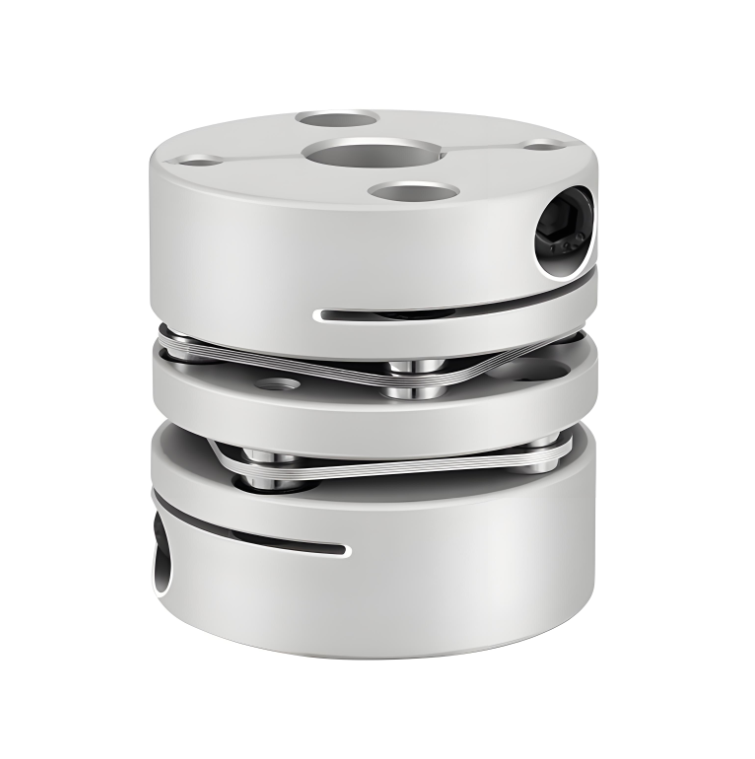 RSK-CPLF Flexible AluminumAlloy Double Diaphragm short clamp type for CNC machine
-
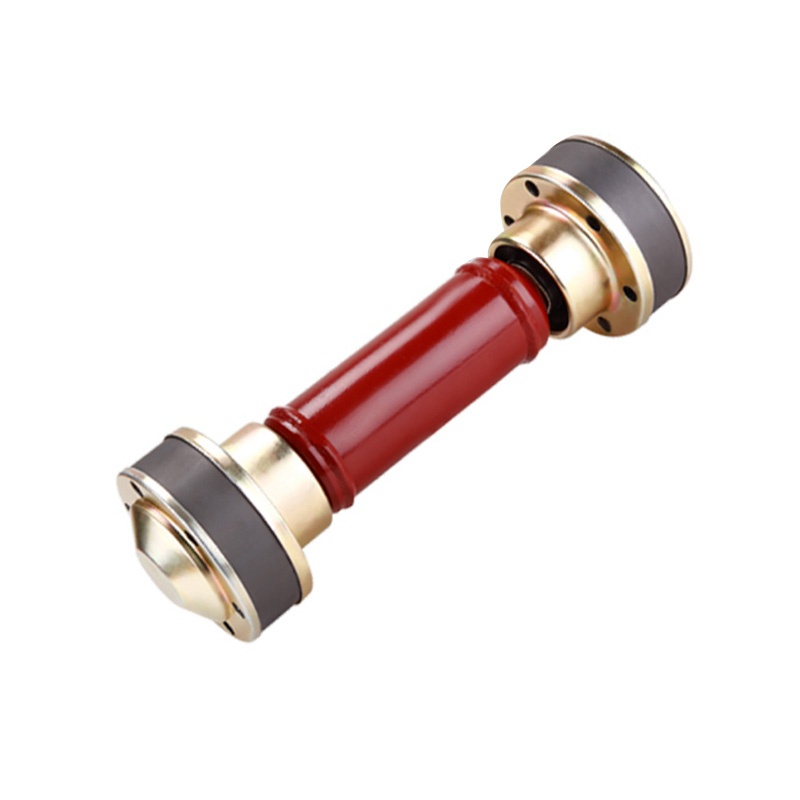 RQL-H Good Quality Constant Velocity Couplings for Industrdy Machinery Drive Transmission
-
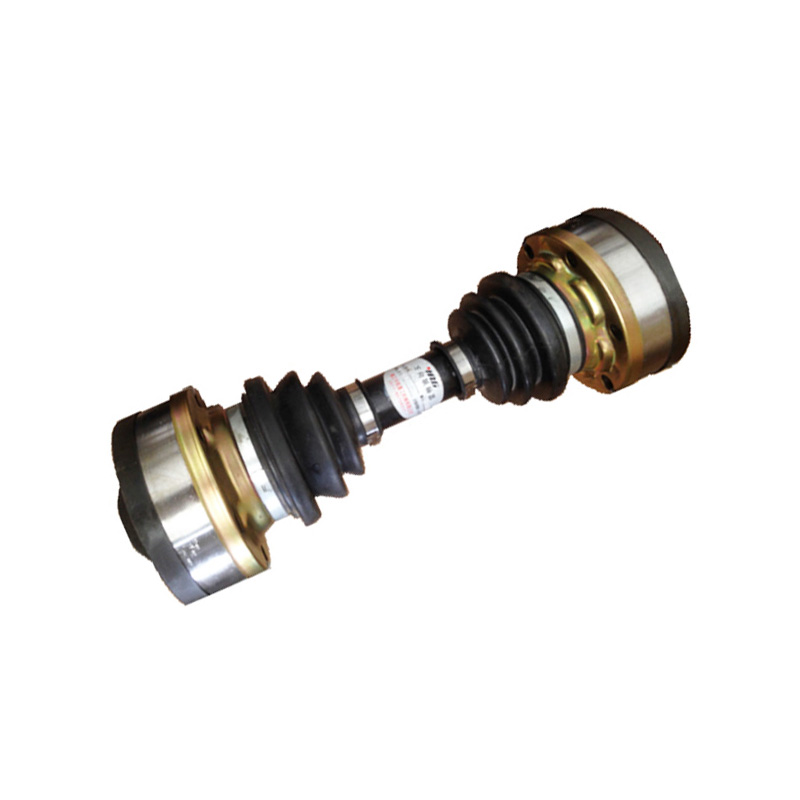 RQL-D High performance CV Joint for Power Transmission
-
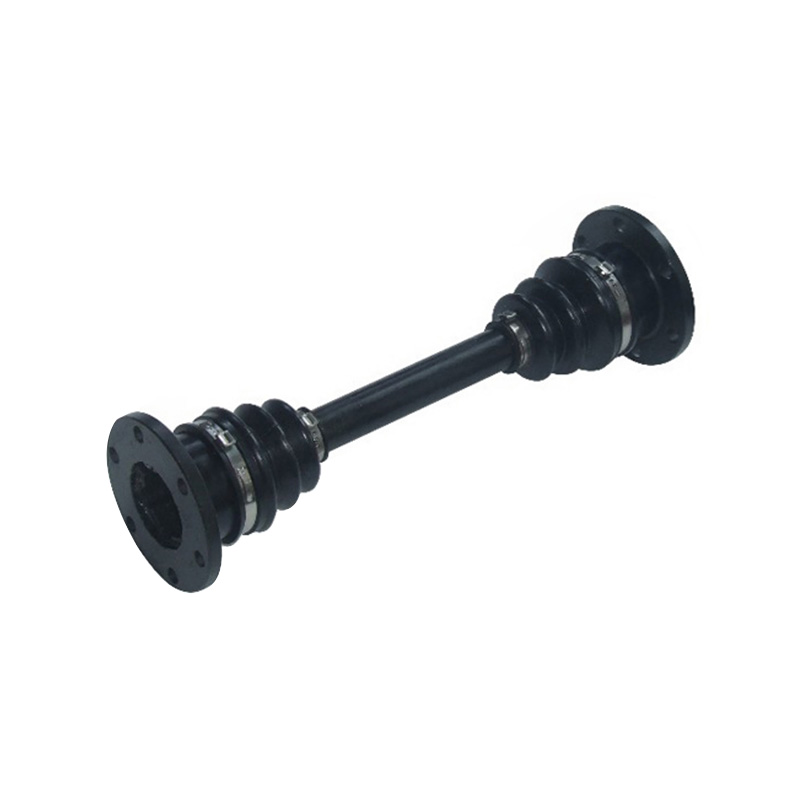 BJCF Rokang R&D ball cage CV universal joint for industry equipments
-
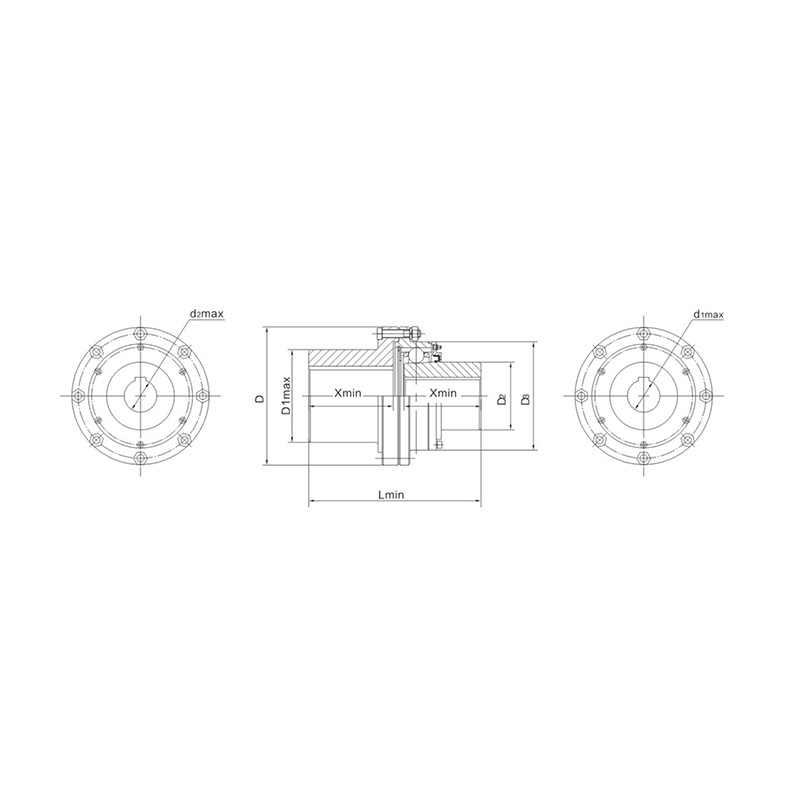 BJS-AF Rokang Factory customzation CV Joint universal couplings high efficiency
-
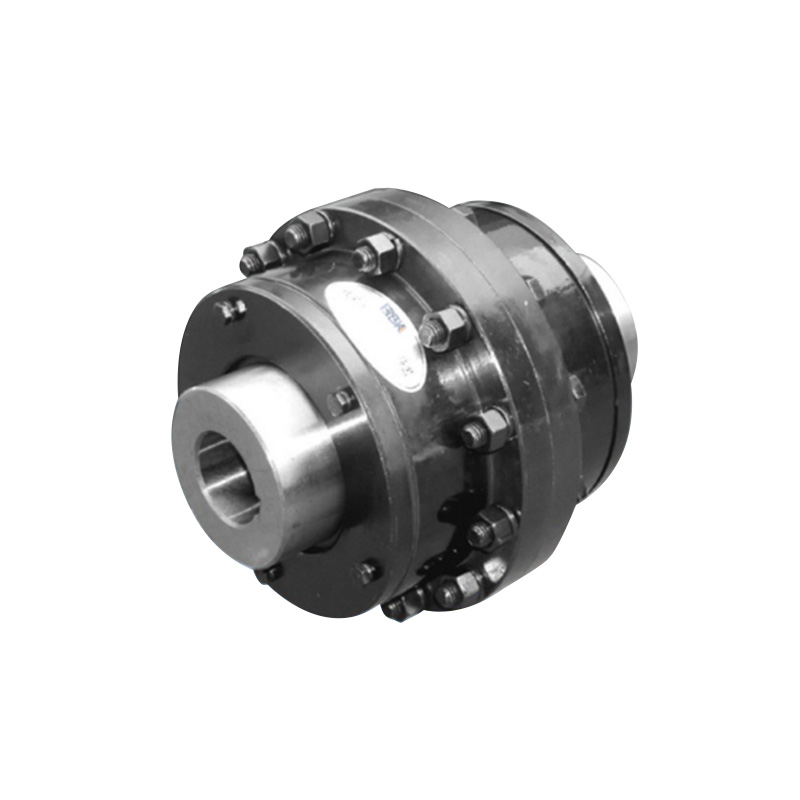 BJS-A Rokang manufacturing ball cage Constant Velocity Universal Couplings used in Roller Table OEM
-
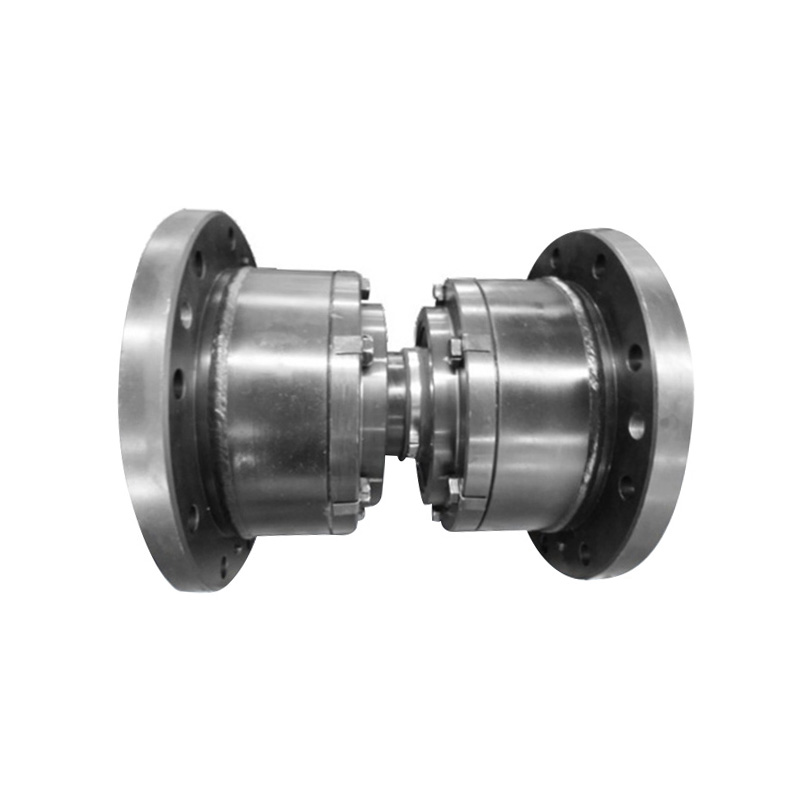 BHJ-F High-stability Constant Velocity Joint universal couplings for Roller Press OEM
-
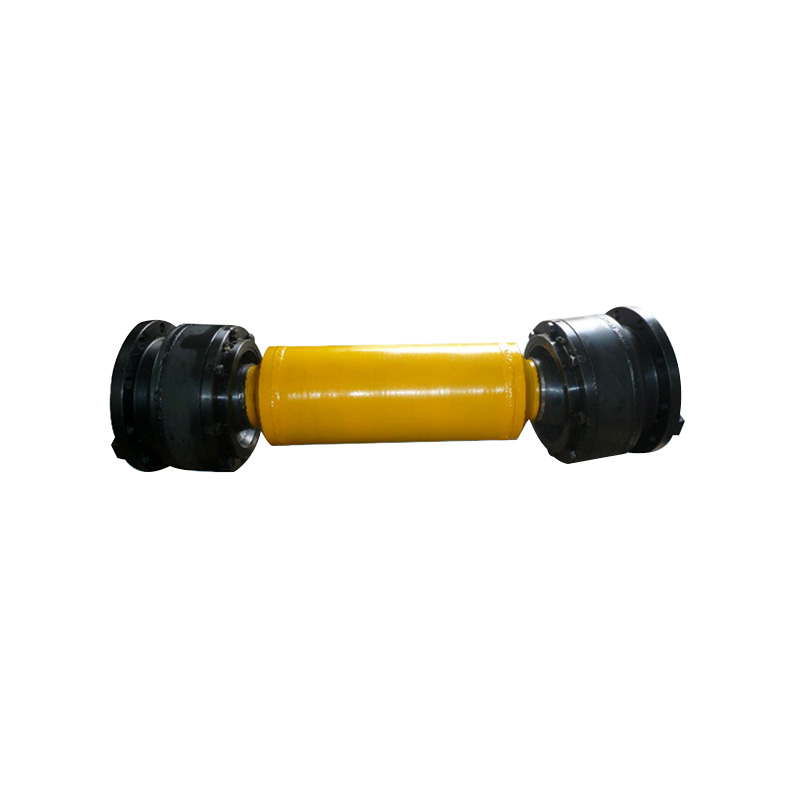 BHJ-E High-temperature-resistant constant velocity universal couplings for industrial transmission
-
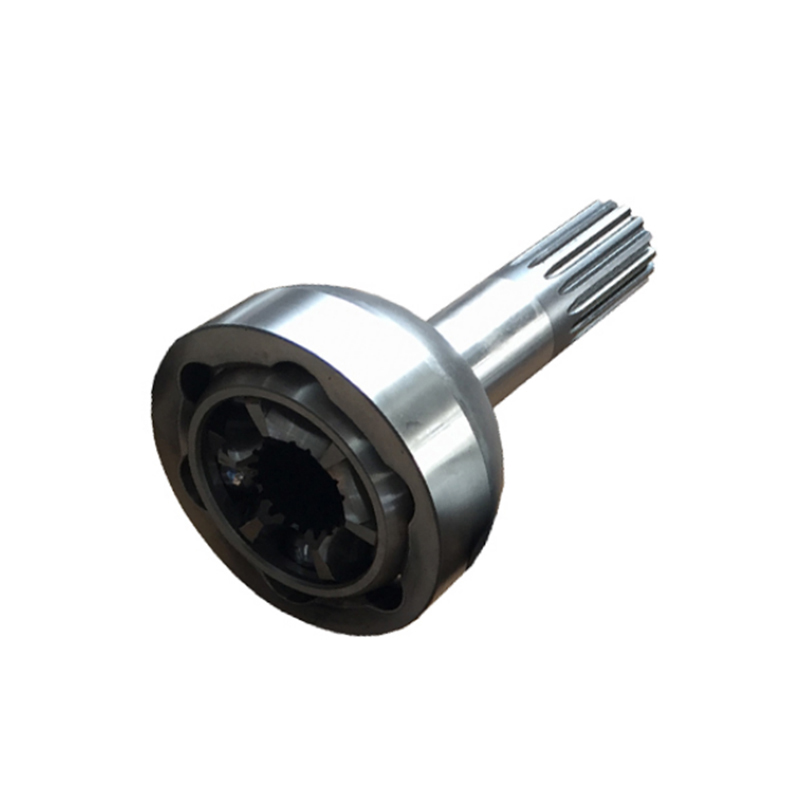 BJ-B High-efficiency transmission ball cage CV Universal couplings mainly used in Mining Truck Wheel End
-
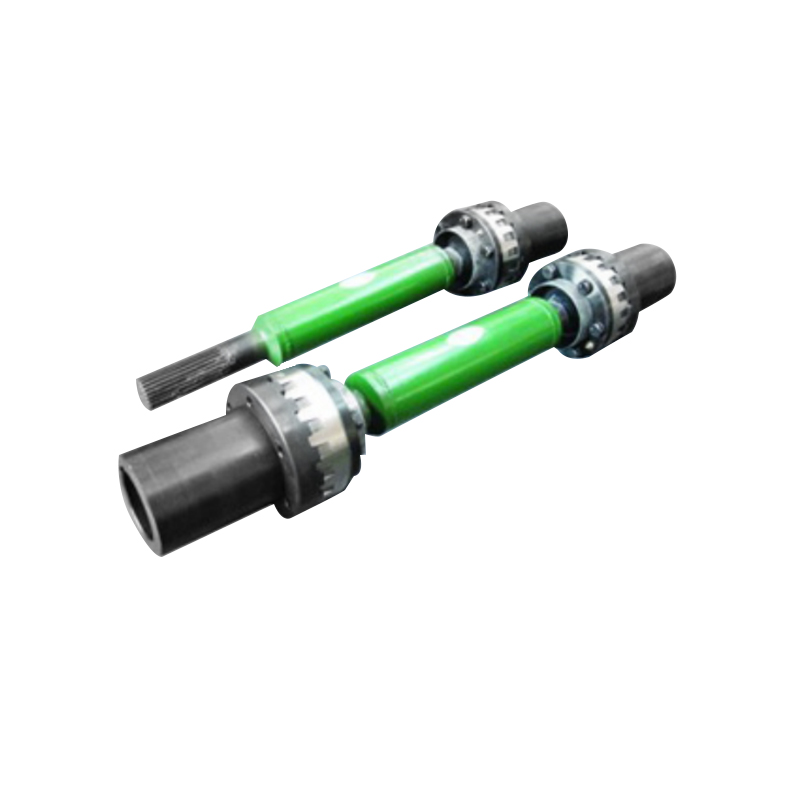 BJ-D High torque Arc groove ball cage synchronous constant speed universal coupling
-
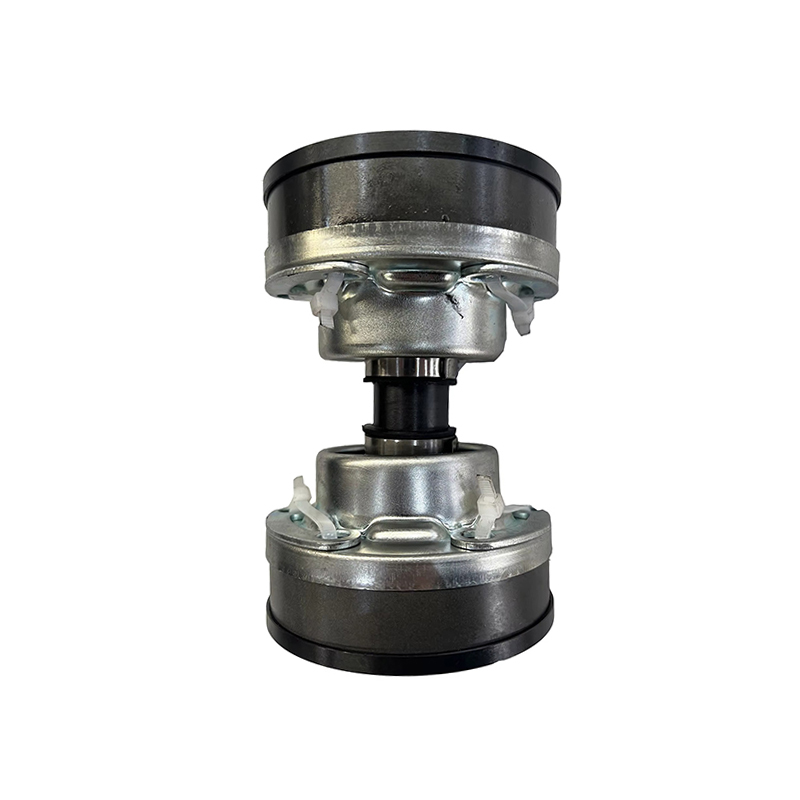 RSK-CV06-105 EL High-speed precision CV Joint coupling used in vehicle test bench
-
 BHJ-D Long plunge Ball cage CV Joint used for rolling mill can be customized
Company
Jiangsu Rokang Heavy Industry Technology Co., Ltd.
Jiangsu Rokang Heavy Industry Technology Co., Ltd. has fixed assets of more than 80 million yuan, and has a team of professional talents in mechanical design, precision manufacturing, heat treatment, welding, etc.; the company has a one-stop complete set of processing facilities and a series of quality inspection systems such as measurement, physical and chemical, and dynamic testing, and has a comprehensive mechanical processing capability.
For many years, the company has been committed to the research and development and manufacturing of ball cage type constant velocity universal couplings, cross shaft type universal couplings, and drum gear couplings. It has carried out close industry-university-research cooperation with military and local scientific research institutes such as Jiangsu University of Science and Technology, School of Mechanical Engineering of Jiangsu University, and Power Engineering Department of PLA Naval Academy, and has continuously expanded into the fields of precision, heavy load and high speed. The products have successfully replaced foreign imported products with excellent performance, and the process technology has reached the international advanced level. It has been widely used in lifting and transportation, metallurgical machinery, metal rolling, engineering machinery, mining machinery, petrochemical, textile machinery, military ships, armored vehicles, railway locomotives, special vehicles and other fields. The product quality and service have been recognized and praised by the majority of users, and are exported to Europe, America, Russia, the Middle East, India and other countries and regions.
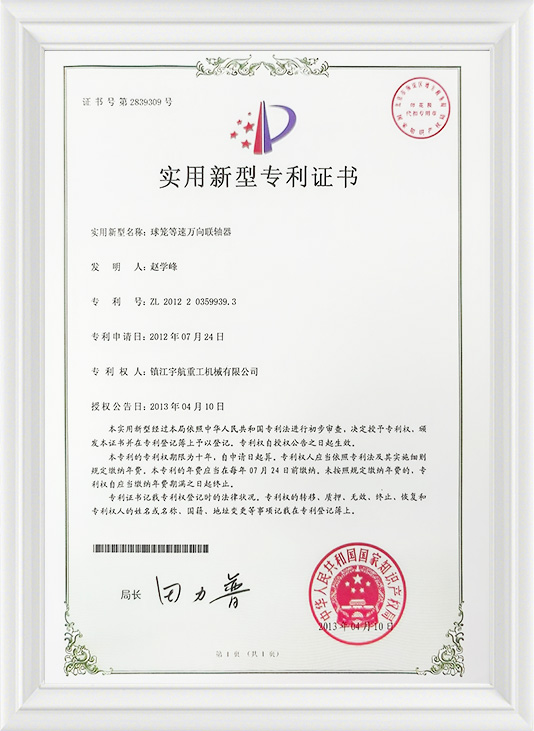
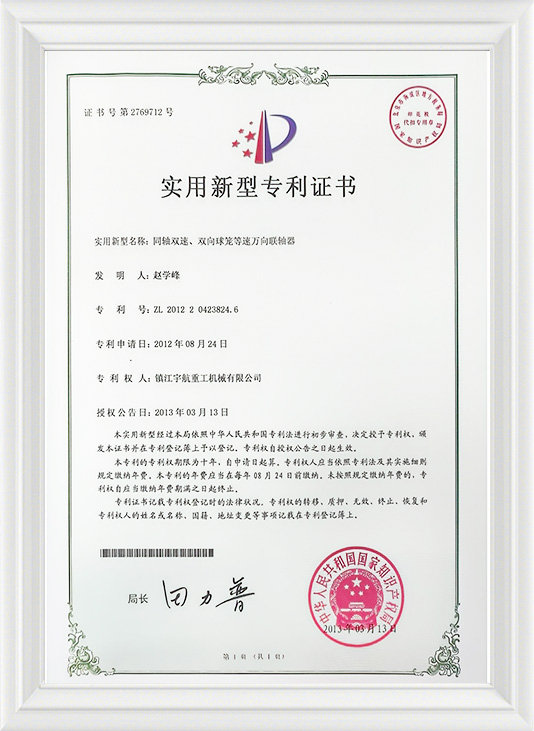
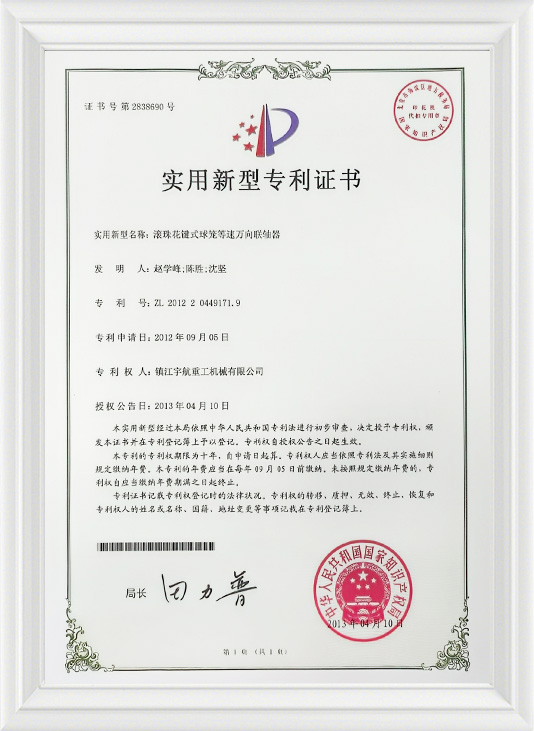
In recent years, the company has been committed to the in-depth research and development of ball cage constant velocity universal couplings, and has successively developed ball cage constant velocity universal couplings for screw pumps, ball spline ball cage constant velocity universal couplings, coaxial double-speed, and double-way ball cage constant velocity universal couplings. It fundamentally solves the new problems that users currently encounter during use. The company has always adhered to the business purpose of "quality first, honest management, and customer first". We are willing to work with you with excellent products, preferential prices and thoughtful services to create a brilliant career!
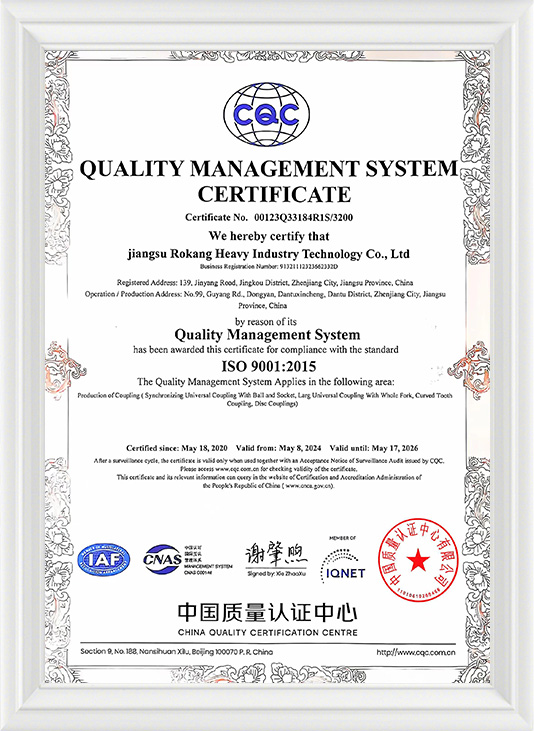
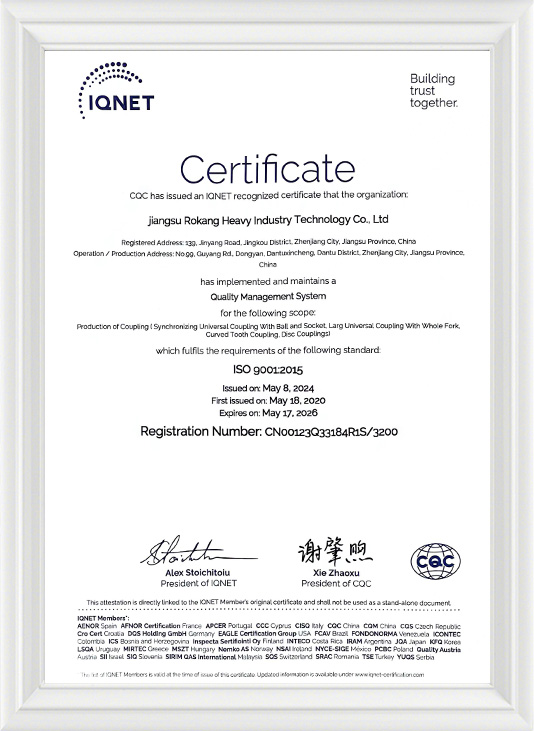
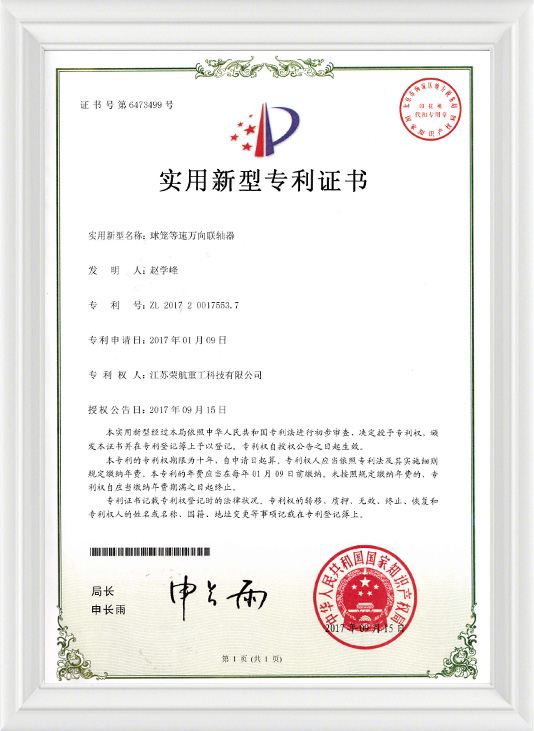
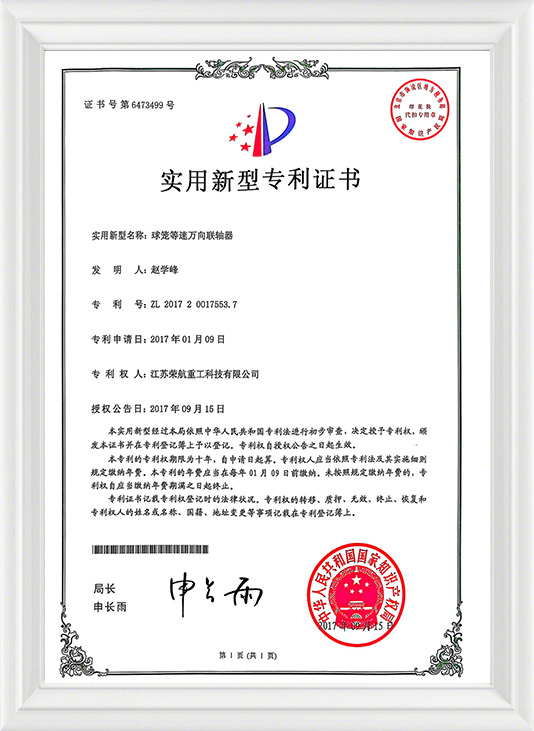
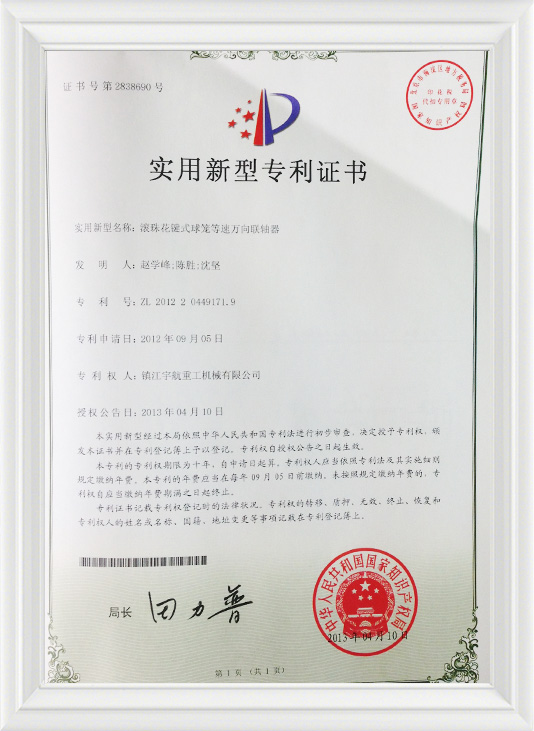
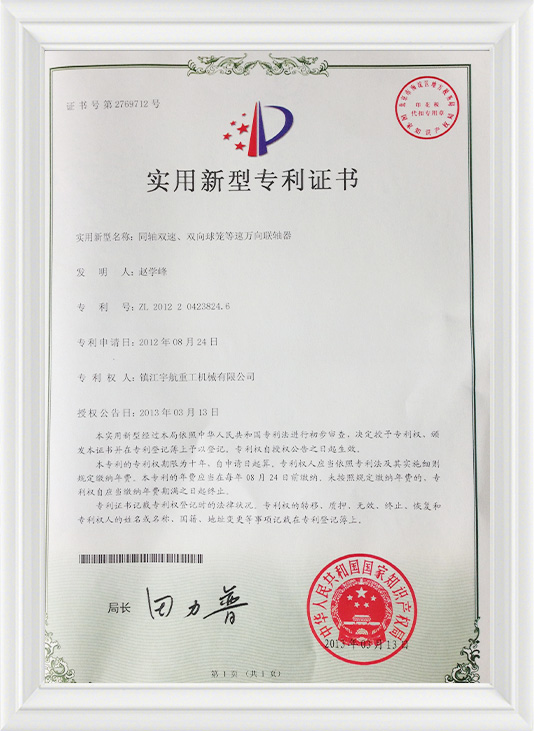
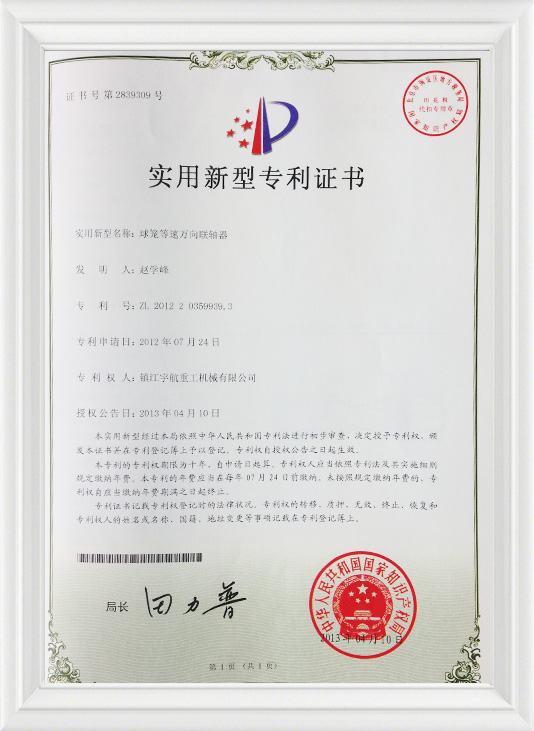
Certificate Of Honor
News
-
-
1. Structural composition and meshing mechanismDouble sprocket and common chainThe chain coupling consists of two sprockets with the same number of teeth and a common roller chain. The two sprockets...
Read More -
Transmitting torque and motionEfficient power transmission: Stable transmission of torque and rotational motion between motors, reducers, pumps and other equipment to ensure continuous operation of th...
Read More -
Technical advantages of YHTJ ball cage universal coupling(1) High angle compensation capabilityLarge deflection angle: The deflection angle of a single section can reach 15°~25°, which can adapt to th...
Read More
Get in Touch
Your email address will not be published. Required fields are marked *
CONTACT US
Have a project in mind? Contact with us!
We are happy to answer your questions. Please fill out this form and one of our professional team will get back to you as soon as possible.

Tel:
+86-13861355442
E-mail:
[email protected]
Company Address:
No. 139 Jinyang Road, Zhenjiang, Jiangsu, China
A professional manufacturer specializing in the production of various types of couplings!
Copyright © Jiangsu Rokang Heavy Industry Technology Co., Ltd. Rights Reserved.

