






 English
 русский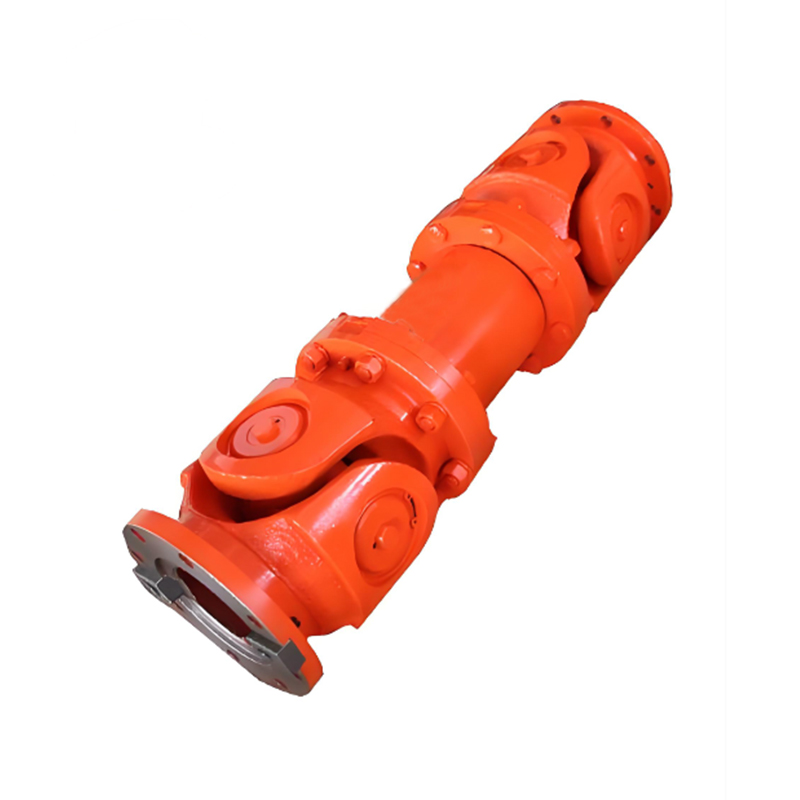
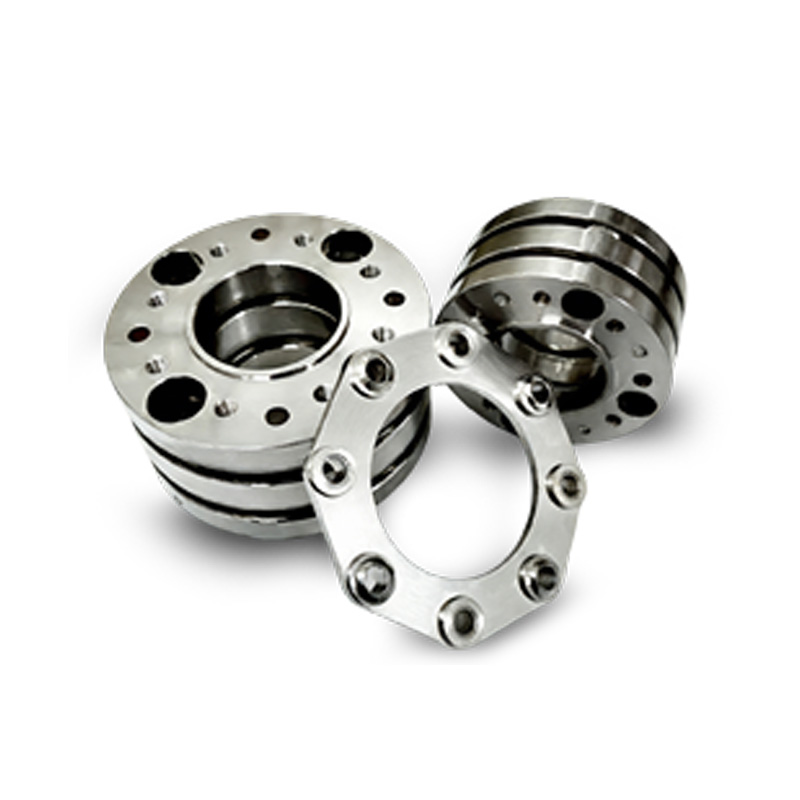
RSK-CV06-111 EL Abrasion-resistant telescopic Constant Velocity Joint for test bench
The wear-resistant telescopic constant velocity joint for test bench is a high-performance transmission component designed for complex working condit...
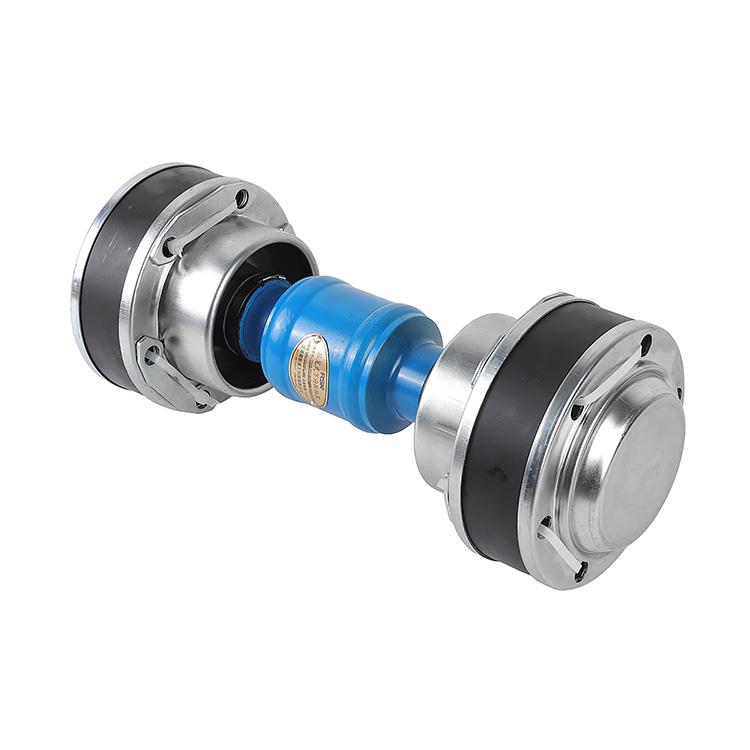
The wear-resistant telescopic constant velocity joint for test bench is a high-performance transmission component designed for complex working condit...
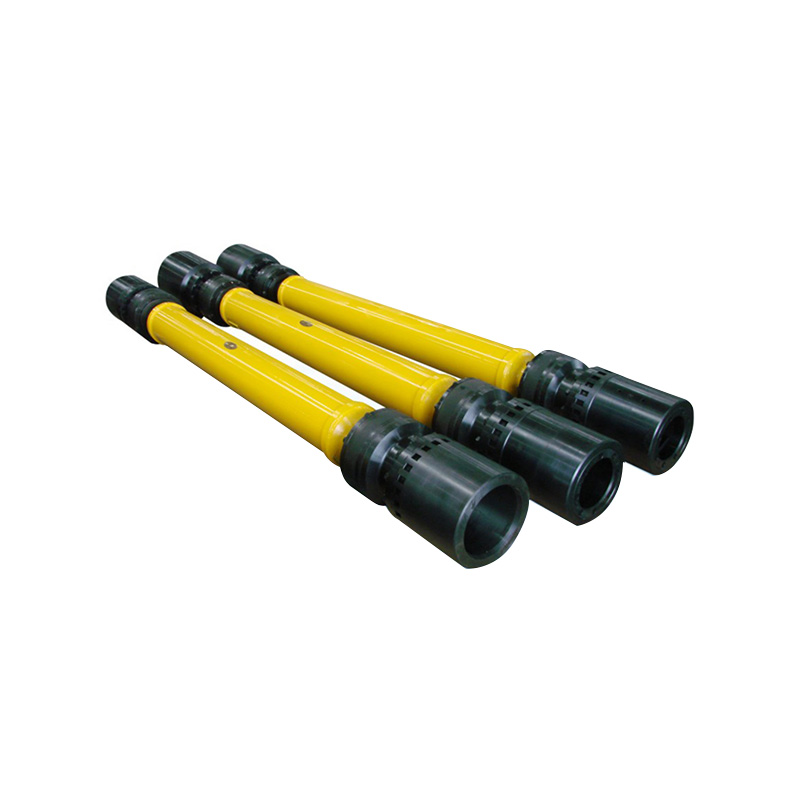
The Long plunge Ball cage CV Joint is a high-performance transmission component designed for complex working conditions. It is mainly composed of a l...
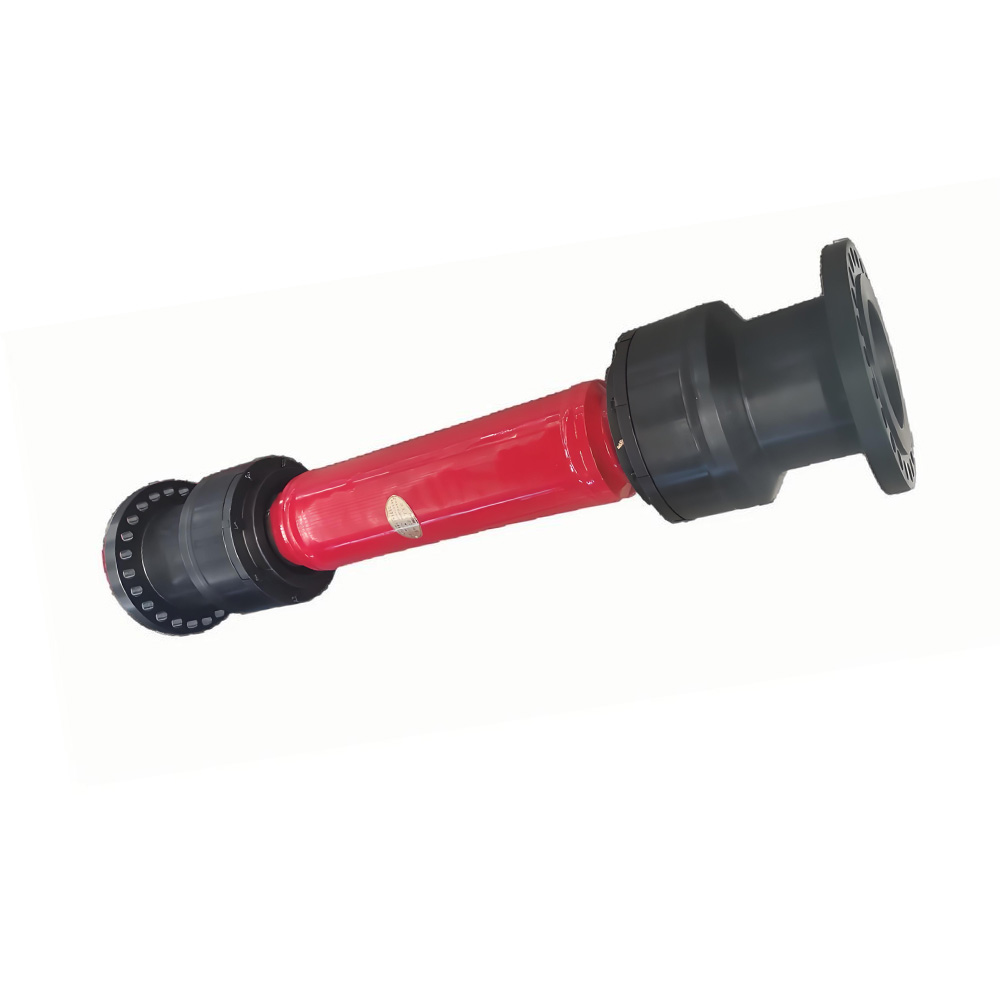
The all cage constant velocity universal joint straight groove type with flange hub is an excellent transmission component that combines innovation an...
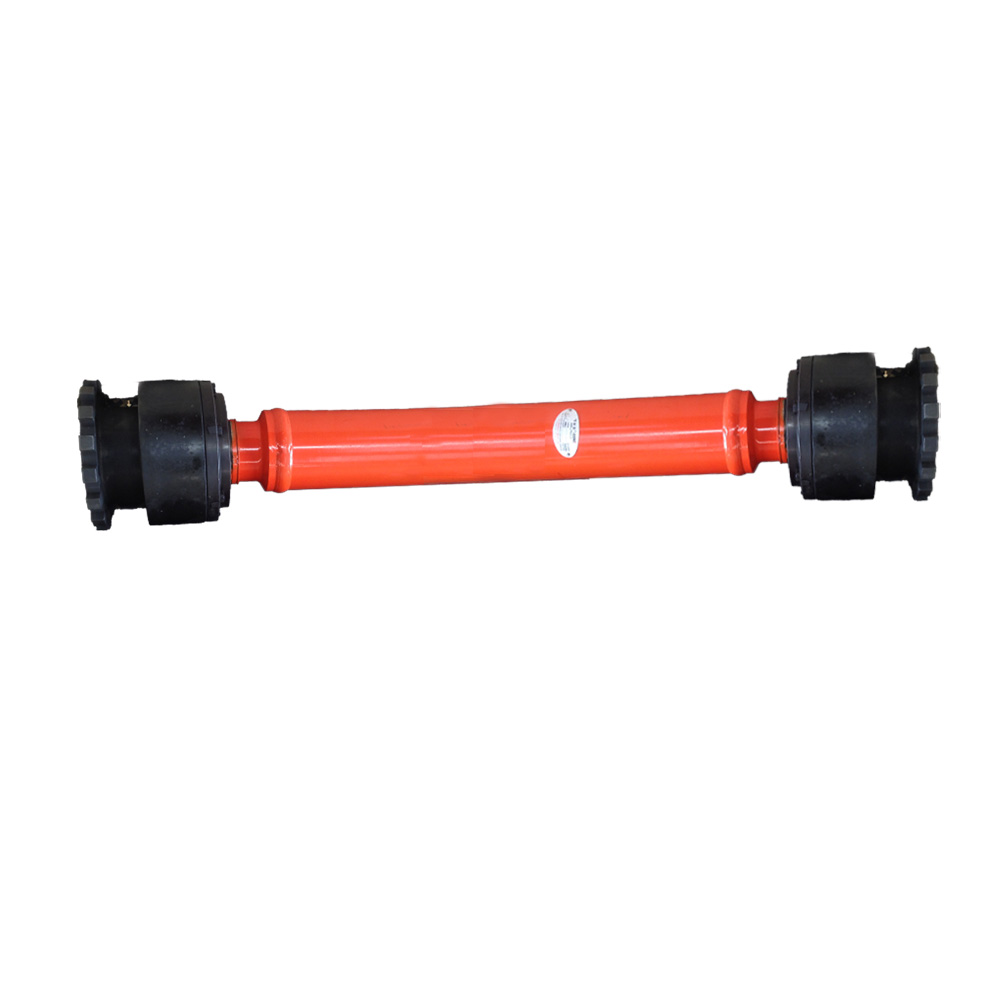
The CV universal joint straight groove type linking with tooth flange hub is an excellent transmission component that combines innovation and practica...
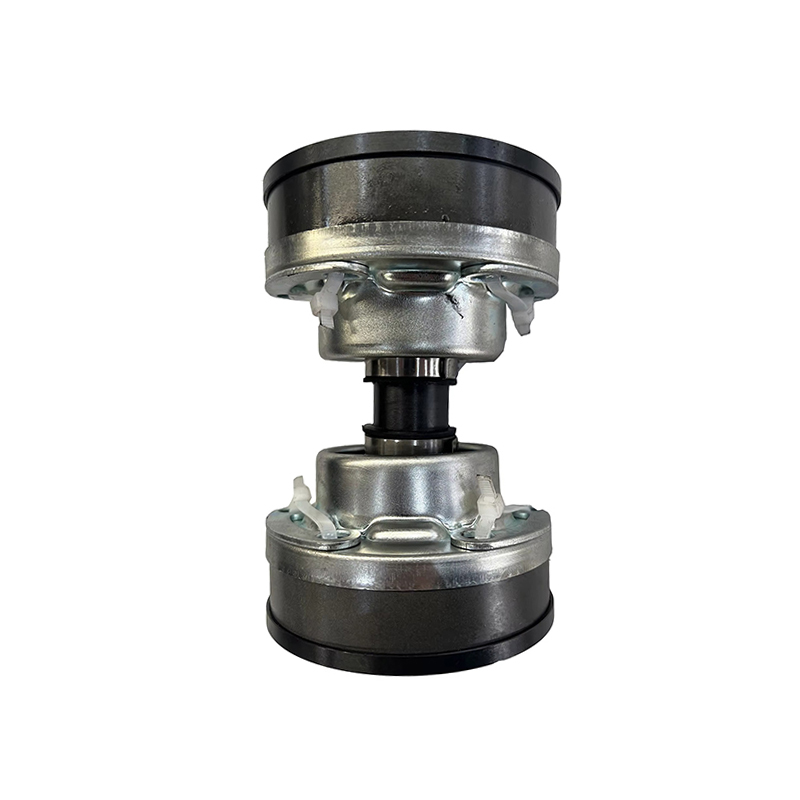
The CV Joint coupling used in vehicle test bench is an advanced mechanical component designed to meet the high-precision and high-speed transmission n...
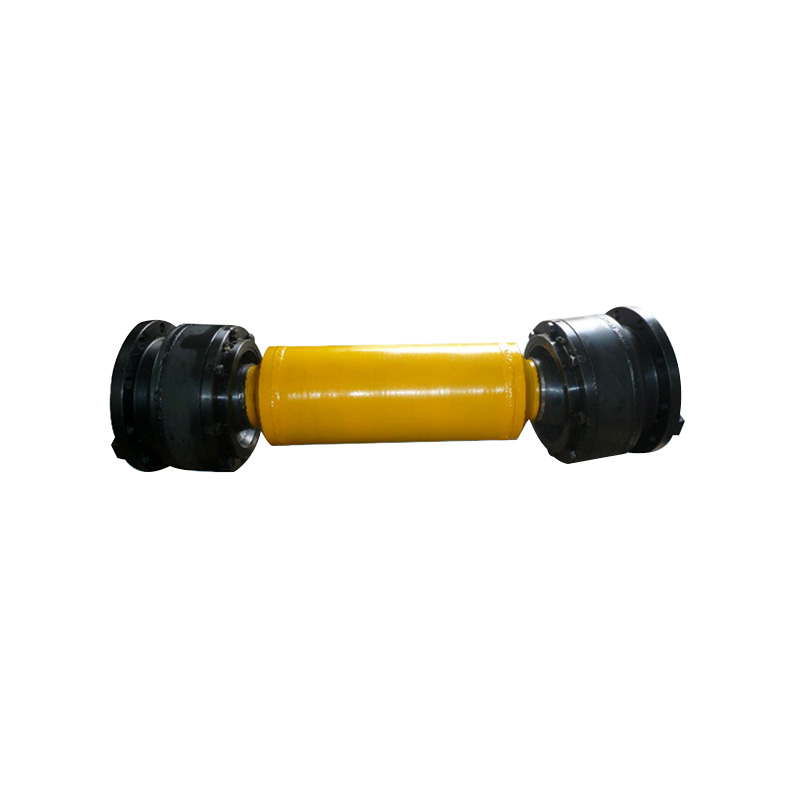
The high-temperature-resistant constant velocity universal couplings is designed for harsh working conditions and is a powerful assistant in the fiel...
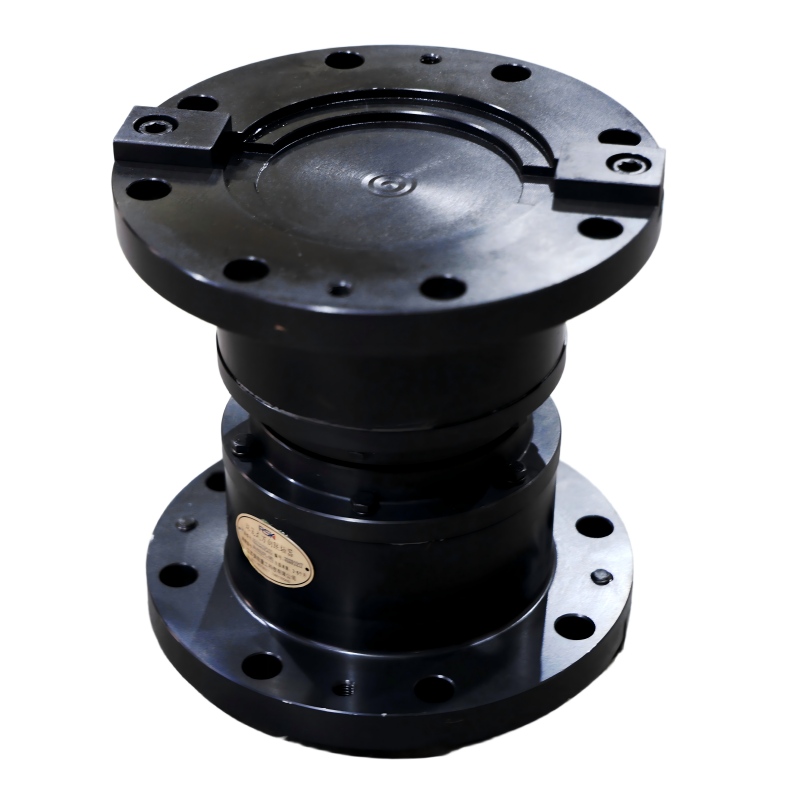
The high-stability Constant Velocity Joint universal couplings is an innovative key component in the field of industrial transmission, designed for po...
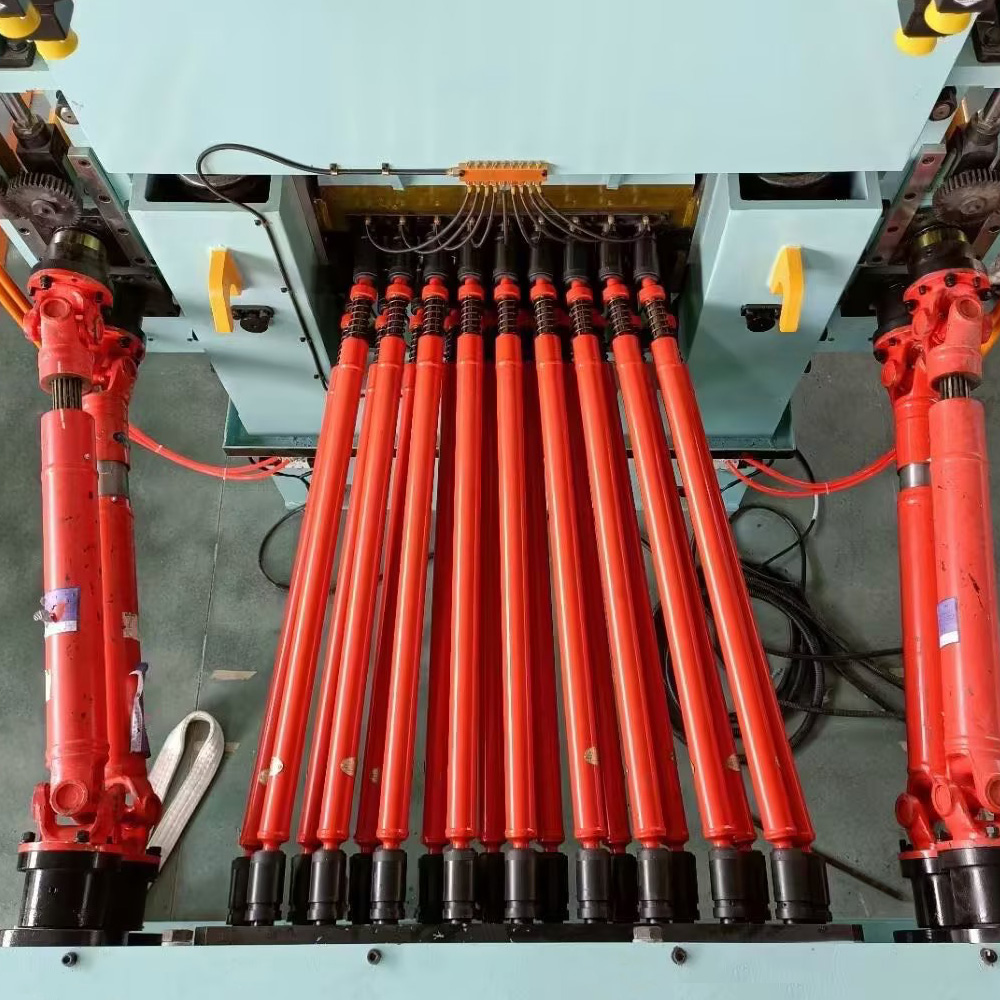
The shock-absorbing Straight Groove Sliding ball cage CV Universal Joint is an advanced transmission component that integrates multiple excellent perf...
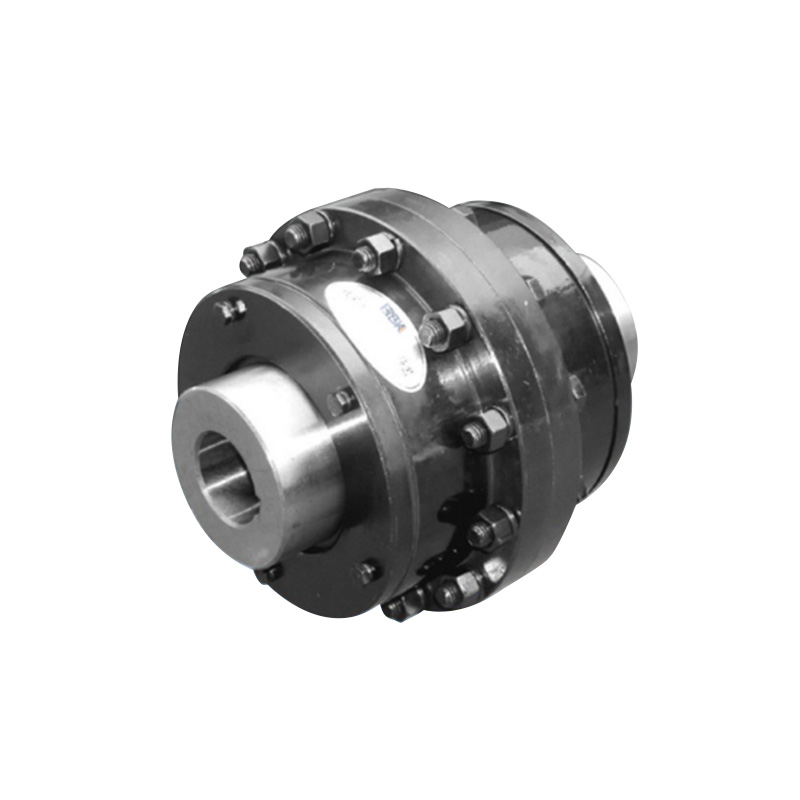
Rokang manufacturing ball cage Constant Velocity Universal Couplings is designed for complex working conditions and effectively solves the problem tha...
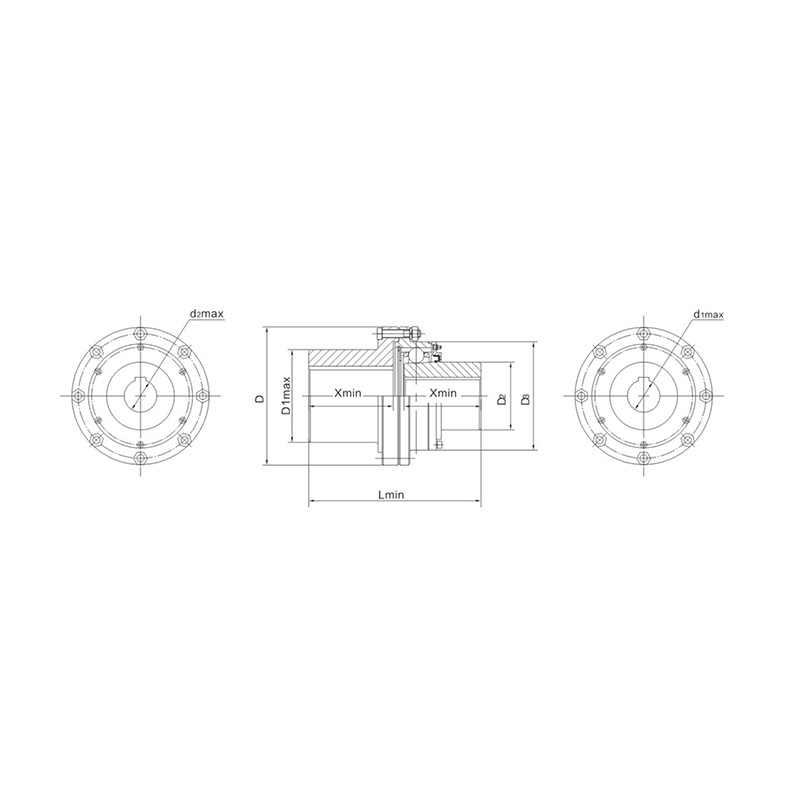
Rokang Factory customzation CV Joint is an excellent transmission component that combines innovative design with environmental protection concepts. It...
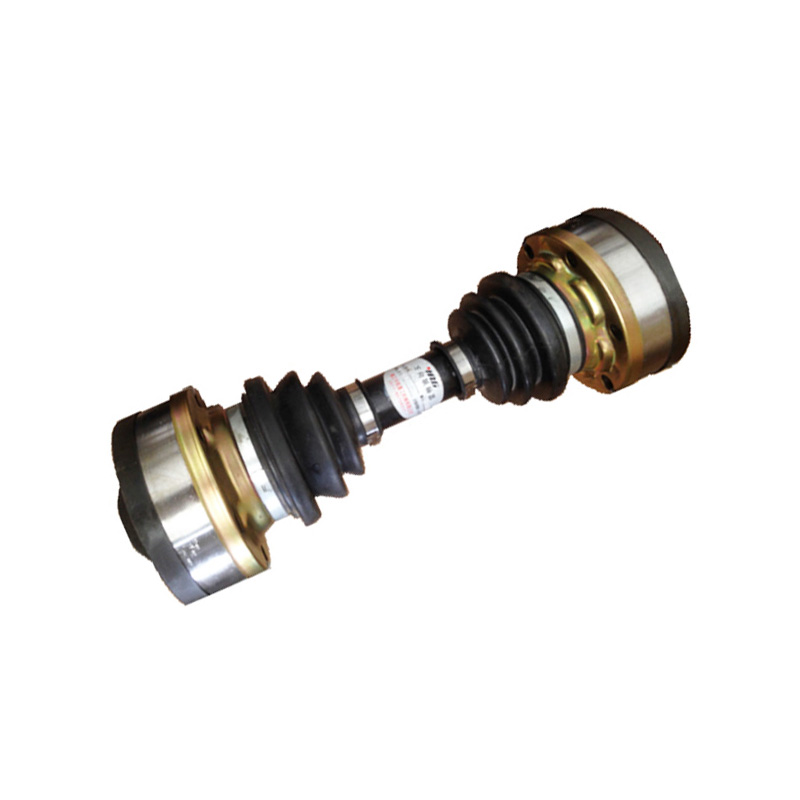
The CV Joint is designed for complex working conditions and has excellent performance. In terms of structural design, it adopts a unique ball cage s...
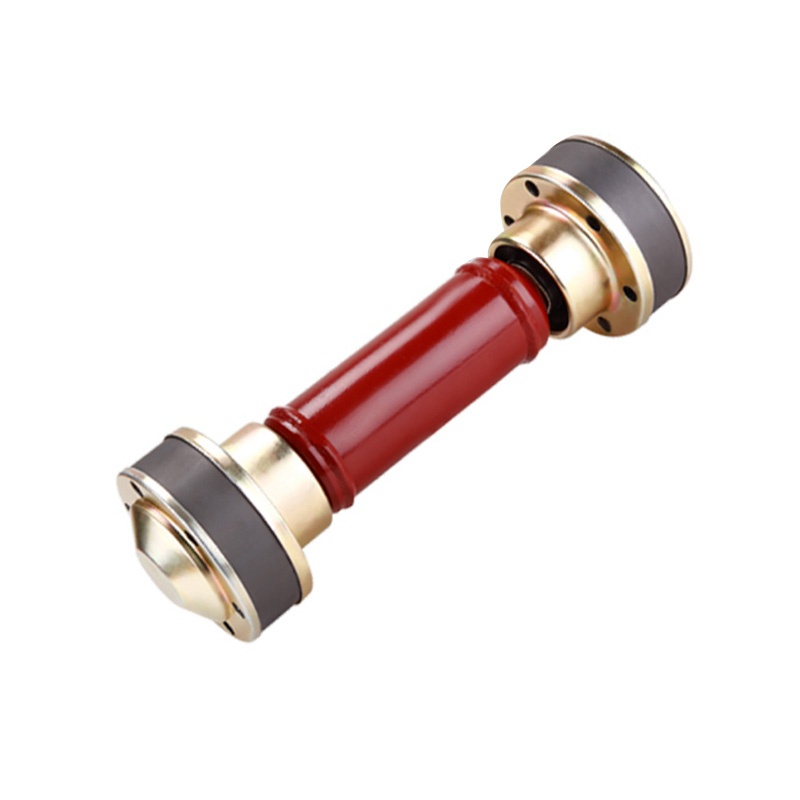
The Constant Velocity Coupling is a transmission component that combines innovative design and excellent performance, designed to meet the stringent r...
Features
Expansion is possible within CVJ
The ball tracks on the outer race are parallel with the axis.Therefore, relative axial expansion between the inner ring and outer ring is possible while transmitting power and providing an operating angle
Low sliding friction ensures smooth expansion
Expansion within the CVJ is achieved by a rolling motion ofthe balls, which contributes to very small sliding friction(expansion-induced friction). As a resul, the joint assembly can smoothly plunge even when torque is applied.The sliding friction of this arrangement is greatly reduced ascompared with generic slide spline shaft.
Axial vibration can be absorbed
Because of the smaller sliding friction, axial vibration can beeasily absorbed as compared with the slide spline arrangement.
No slide splines are needed for the intermediate shaft. The intermediate shaft does not need slide splines since theaxial expansion and installation mounting distance adjustment are achieved by the structure inside the CVJs.
Easy installation
Both axial expansion and operating angle definition (20°forsmaller size,8° to 10°for larger size) can be achieved simultaneously. Therefore, this type of joint can accommodate alarger length variation, allowing easy installation.
Freedom for wide variety of design
The CVJ assembly can be designed to best suit the user'srequirements in terms of torque capacity, expansion andinstallation system.
The Operational Advantage of Serpentine Spring Couplings A serpentine spring coupling is the optimal solution for high-torque, heavy-duty industrial applications requiring precise alignment compensation and shock absorption. These couplings can transmit up to 30% more torque per unit volume compared to traditional gea...
READ MOREThe Core Purpose of Flexible Couplings Flexible couplings are mechanical devices designed to transmit torque between two shafts while accommodating misalignment and reducing vibration. Their immediate benefit is operational protection: they minimize mechanical stress, prevent premature bearing failure, and stabilize p...
READ MOREWhat Flexible Couplings Do and Why They Matter Flexible couplings connect two rotating shafts while allowing controlled misalignment, vibration damping, and shock absorption. Their primary value is protecting equipment: by reducing stress on bearings, seals, and shafts, they extend machine life and improve operational...
READ MOREIn sliding type CV joints, the outer race ball tracks are parallel to the joint axis, enabling relative axial movement between the inner and outer components while still transmitting torque and operating at an angle. In practical driveline packaging, this “in-joint plunge” is useful when the installation mounting distance cannot be perfectly controlled, or when the suspension travel introduces length variation that would otherwise demand a separate sliding spline.
For bulk buyers, the core takeaway is system-level: relocating plunge into the CVJ can reduce interfaces, shorten tolerance stacks, and simplify assembly validation. From our side, we design these joints with manufacturing consistency in mind, so the plunge behavior remains stable across production batches without requiring special intermediate shaft treatments.
Axial Vibration Absorption: When Lower Sliding Friction Matters Most
Axial vibration in a driveline is often easier to absorb when the length-compensation mechanism has low resistance. With sliding type CVJs, the smaller plunge friction means axial inputs can be dissipated with less force, which can help reduce the transmission of axial pulsation into adjacent components.
We routinely validate plunge smoothness using dynamic testing approaches aligned with real operating torque conditions, because a “no-load smooth” joint is not sufficient for most industrial buyers.
When axial expansion and mounting distance adjustment are achieved inside the CVJ, the intermediate shaft can often be produced without slide splines. This affects both engineering and sourcing: fewer specialized machining steps, fewer wear interfaces, and fewer lubrication and sealing complexities associated with exposed spline movement.
| Design Item | Slide Spline Arrangement | Sliding Type CVJ Plunge Arrangement |
|---|---|---|
| Length compensation location | Spline interface on shaft | Inside CV joint |
| Friction behavior under torque | Often higher sliding friction | Lower expansion-induced friction via rolling motion |
| Manufacturing focus | Spline precision + surface treatment | Race geometry + heat treatment + dynamic validation |
| Assembly tolerance stack | More interfaces to control | Potentially fewer interfaces to control |
Sliding type CVJs are often selected when a driveline must accommodate both angle and axial movement. A practical design pitfall is over-constraining the system by assuming the joint can deliver maximum plunge at maximum angle indefinitely. In reality, angle and plunge share internal kinematic “room,” and aggressive combinations can raise internal contact stress, heat, and grease shear.
We support buyers by translating these envelopes into manufacturable specifications, backed by dimensional measurement, physical/chemical verification, and dynamic testing—so the joint you approve is the joint you receive in volume.
For ball-track components (outer race, inner ring), durability is not governed by a single hardness value alone. In bulk sourcing, it is more constructive to request heat-treatment outcomes that correlate with rolling-contact fatigue and impact tolerance, especially where plunge occurs under torque.
Our one-stop processing chain—precision manufacturing, controlled heat treatment, and complete inspection—lets us control these variables tightly, which is why many overseas buyers keep us on their approved vendor lists for long-term programs.
In plunge-capable sliding type CV joints, grease behavior can influence plunge smoothness and heat. A joint that plunges smoothly at the start of life can become less consistent if grease is not matched to the shear conditions of rolling plus axial movement. For buyers, this is best handled as a specification conversation rather than an afterthought.
From our experience shipping to Europe, America, Russia, the Middle East, and India, aligning lubrication and sealing requirements early is one of the fastest ways to stabilize field performance while keeping the bill of process under control.
Bulk programs often struggle with mounting distance scatter across vehicle frames, gearboxes, or driven equipment variants. Sliding type CVJs can absorb a larger length variation because they combine plunge and operating angle capability in one assembly. The constructive approach is to convert that capability into a clear tolerance strategy.
When buyers share target envelopes early, I can usually recommend a joint configuration that meets torque and plunge needs with minimal rework—this is where a capable supplier’s design and testing depth pays back quickly.
Get in Touch
Your email address will not be published. Required fields are marked *
Have a project in mind? Contact with us!
We are happy to answer your questions. Please fill out this form and one of our professional team will get back to you as soon as possible.

A professional manufacturer specializing in the production of various types of couplings! Sliding Type Constant Velocity Joint Suppliers in China.

