Jaw Couplings as Flexible Power Transmission Components
Jaw couplings are widely used flexible couplings designed to transmit torque while absorbing shock and vibration between rotating shafts. By combining rigid metal hubs with an elastomeric insert, jaw couplings provide a balance between torque capacity and system protection. Variants such as jaw spider couplings and curved jaw couplings are commonly selected in industrial environments where reliability, ease of maintenance, and misalignment tolerance are important.
Their simple structure and adaptable performance make jaw couplings suitable for both general machinery and more precise motion systems, depending on the spider design and material selection.
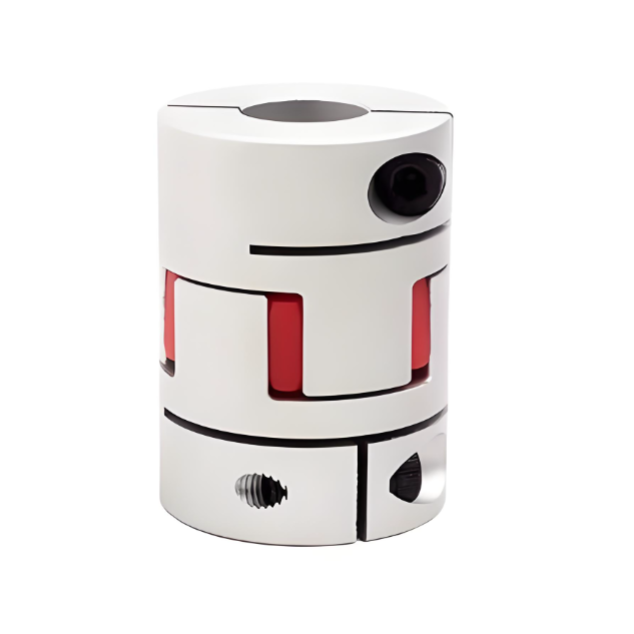
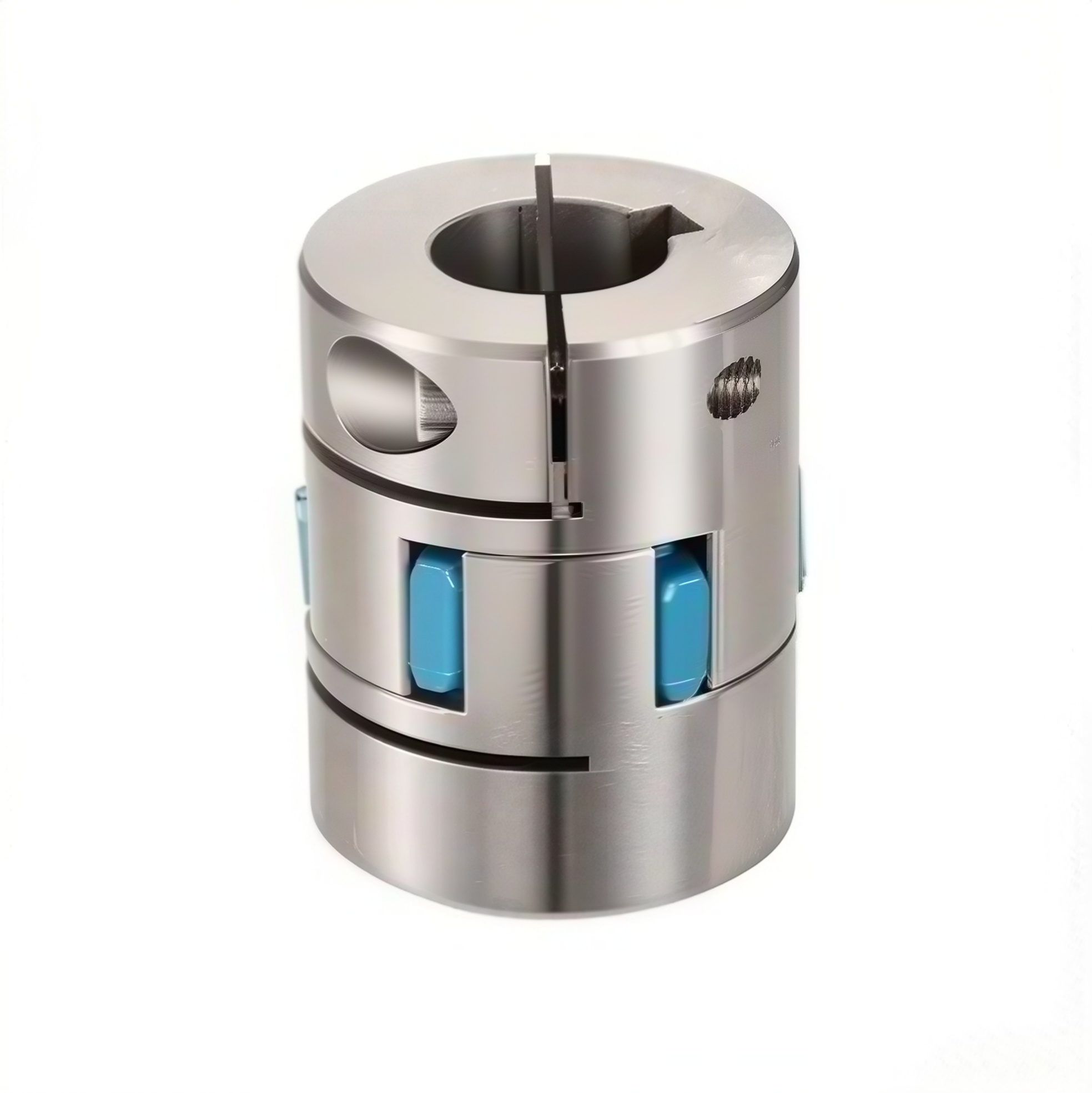
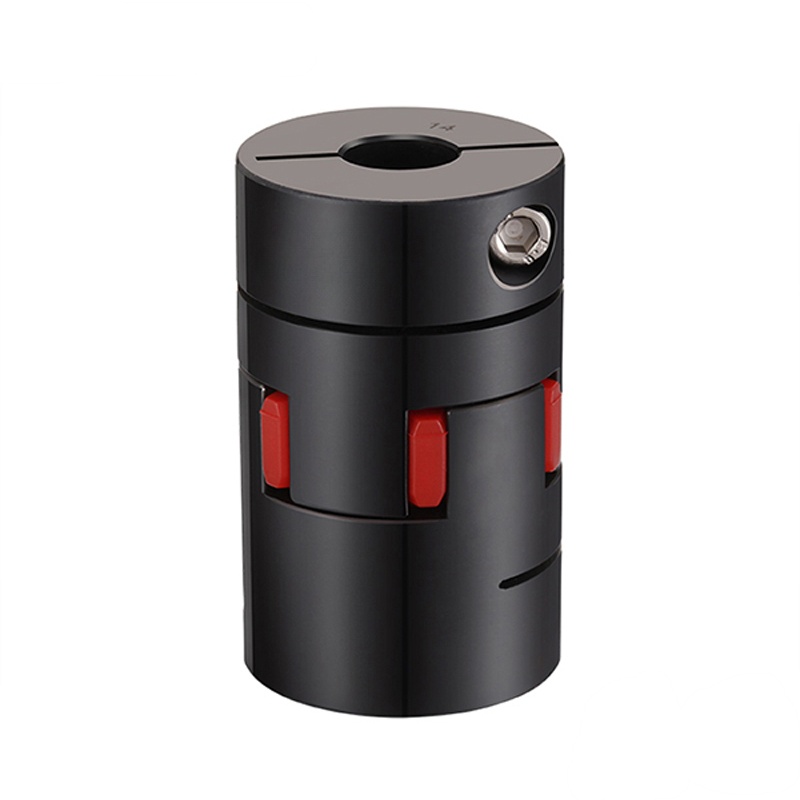
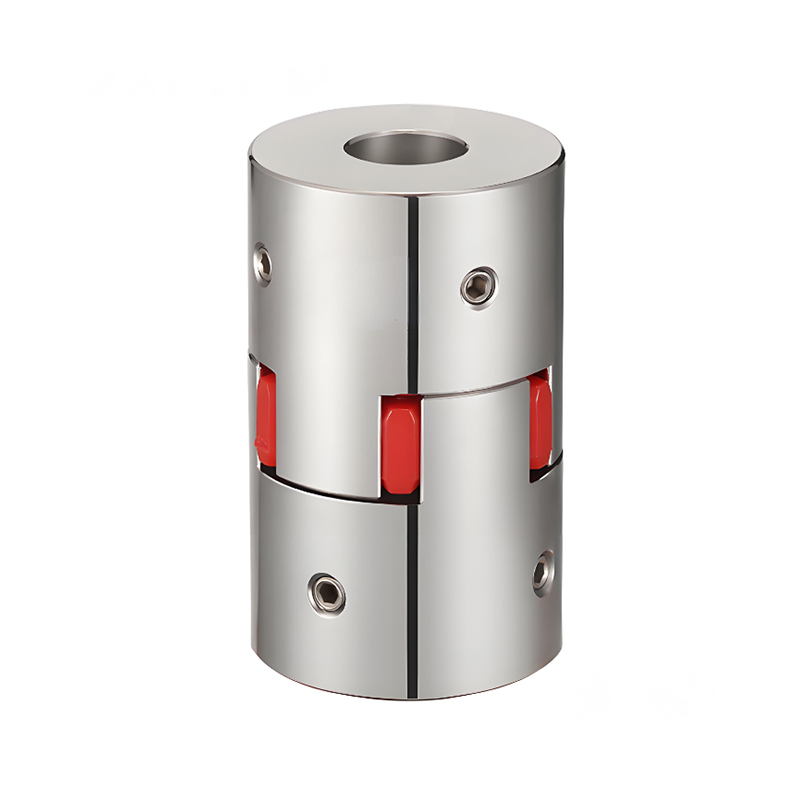
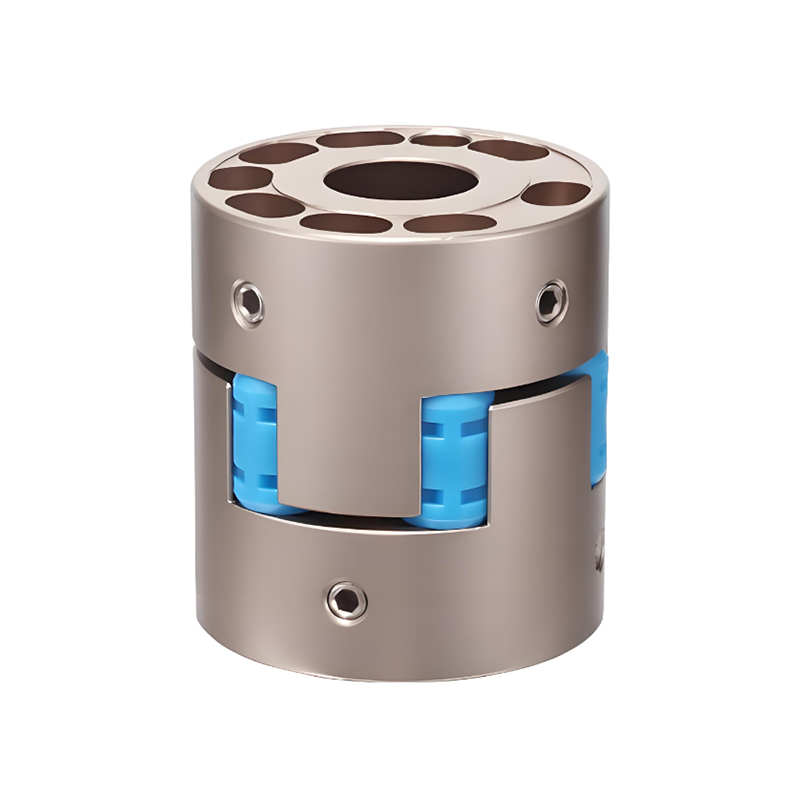
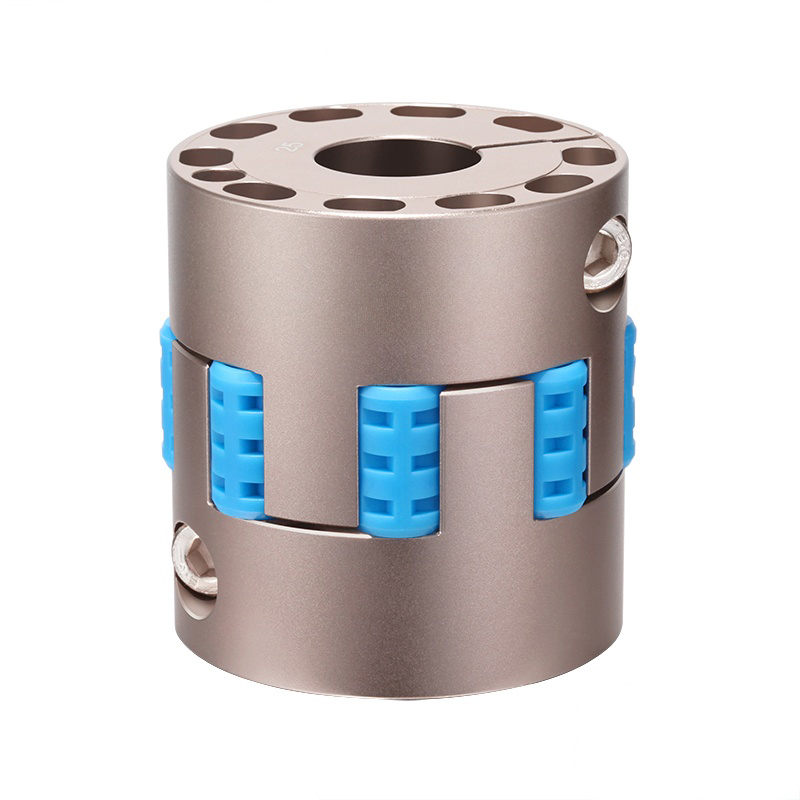
A jaw spider coupling consists of two metallic hubs and a flexible spider element positioned between them. Each hub features evenly spaced jaws that interlock with the lobes of the spider. During operation, torque is transferred through the spider in compression rather than direct metal-to-metal contact.
This structure allows the coupling to combine the strength of metal hubs with the damping properties of elastomer materials, creating a flexible connection that protects connected equipment from dynamic loads.
Torque Transmission and Load Path
In jaw spider couplings, torque flows from the driving hub into the spider lobes and then into the driven hub. The spider operates under compressive forces, which reduces wear and extends service life compared with shear-based elastomer designs.
Because the torque path is elastic, sudden load changes are partially absorbed by the spider. This reduces peak stresses on shafts, bearings, and gearboxes, particularly during start-up or load reversal.
Misalignment Compensation Capabilities
Jaw couplings are designed to accommodate common types of shaft misalignment encountered in industrial installations. The elastomeric spider flexes slightly to absorb these deviations without imposing excessive forces on connected components.
- Angular misalignment between intersecting shaft axes
- Parallel misalignment due to shaft offset
- Limited axial movement from thermal expansion
This flexibility simplifies installation requirements and supports stable long-term operation in systems with moderate alignment variation.
Vibration Damping and Shock Absorption
One of the key advantages of jaw spider couplings is their ability to dampen vibration. The elastomer spider absorbs torsional oscillations and shock loads, reducing noise and smoothing power transmission.
This damping effect is particularly valuable in pumps, conveyors, and general machinery where cyclic loads or uneven torque can negatively impact system stability and component life.
Fail-Safe Design Characteristics
Jaw couplings are often described as fail-safe because of the way the hubs interact if the spider fails. In the event of spider degradation or breakage, the jaws can interlock mechanically, allowing limited torque transmission.
This feature provides an opportunity for controlled shutdown rather than immediate loss of drive, which is valuable in applications where sudden stoppage could cause additional damage or safety concerns.
Spider Materials and Hardness Selection
The performance of a jaw spider coupling depends heavily on the material and hardness of the spider element. Different elastomer formulations provide varying levels of torque capacity, damping, and flexibility.
| Spider Hardness |
Damping Capability |
Torque Capacity |
| Soft (around 85 Shore A) |
High |
Moderate |
| Hard (around 98 Shore A) |
Lower |
Higher |
Polyurethane spiders are commonly used due to their balance of strength and elasticity, while rubber-based spiders are selected where enhanced damping is required.
Curved jaw couplings are a refined version of standard jaw couplings, featuring contoured jaw profiles that improve load distribution and reduce stress concentration on the spider. This design supports smoother torque transmission and improved positioning behavior.
In servo and motion control systems, curved jaw couplings are often chosen for their reduced backlash characteristics and controlled torsional flexibility, making them suitable for precise yet damped motion.
Typical Application Areas
Jaw couplings and jaw spider couplings are used across a wide range of industries due to their adaptability and straightforward maintenance.
- Pumps and conveyor drive systems
- General industrial and processing machinery
- Food and packaging equipment
- Servo-driven and light motion control applications
Manufacturing Quality and Application Experience
Reliable jaw coupling performance depends on precise hub machining, consistent elastomer quality, and proper assembly tolerances. Manufacturing capability directly affects balance, concentricity, and long-term durability.
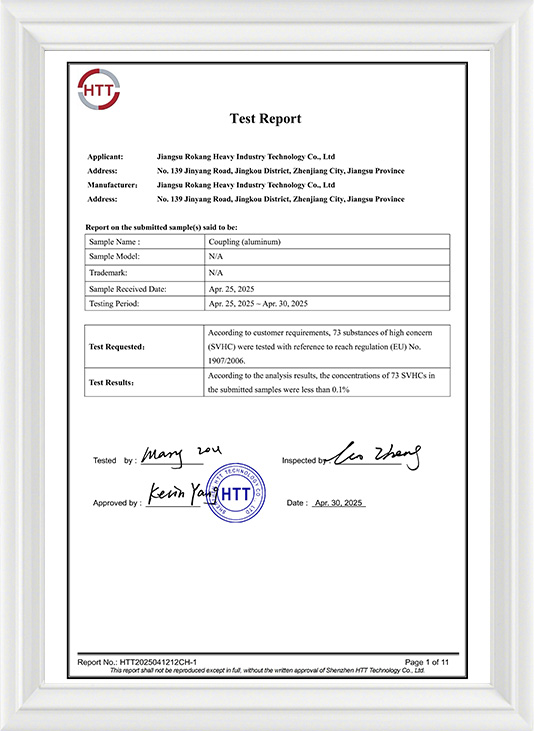
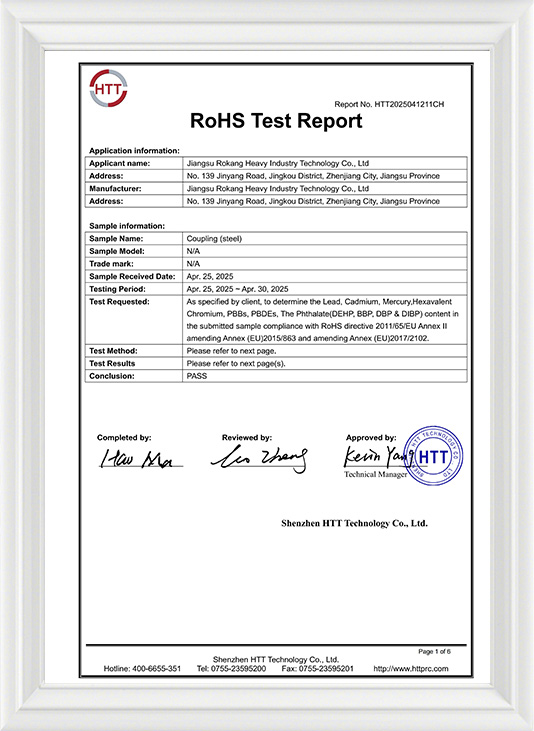
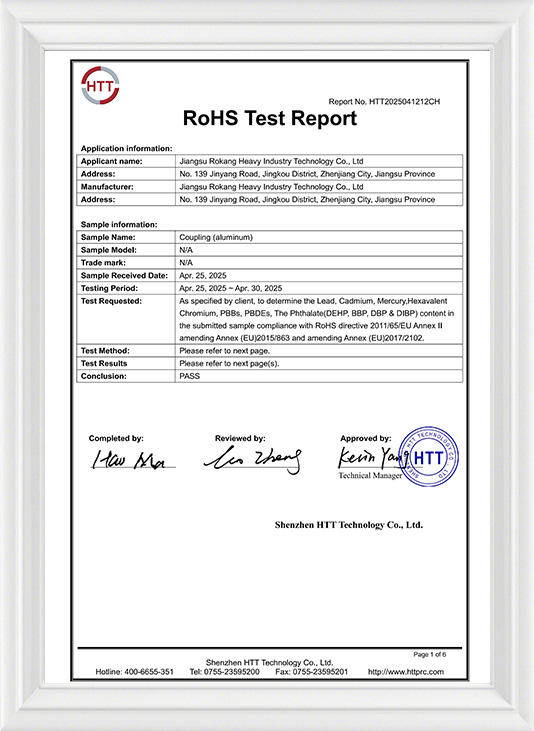
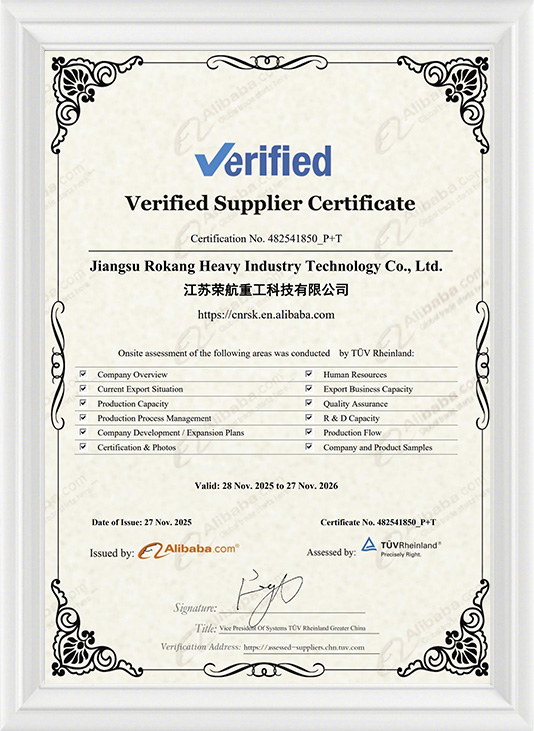
With extensive experience in power transmission components and coupling technologies, Jiangsu Rokang Heavy Industry Technology Co., Ltd. applies its engineering and manufacturing expertise to supply jaw couplings and curved jaw coupling solutions suitable for a broad range of industrial and motion control applications.
Conclusion
Jaw couplings, jaw spider couplings, and curved jaw couplings offer a practical combination of torque transmission, vibration damping, and misalignment compensation. Through adaptable spider materials and proven structural design, they provide reliable and flexible solutions for many industrial drive systems. Their simplicity, fail-safe characteristics, and versatility continue to make them a common choice in modern power transmission.






 English
 русский