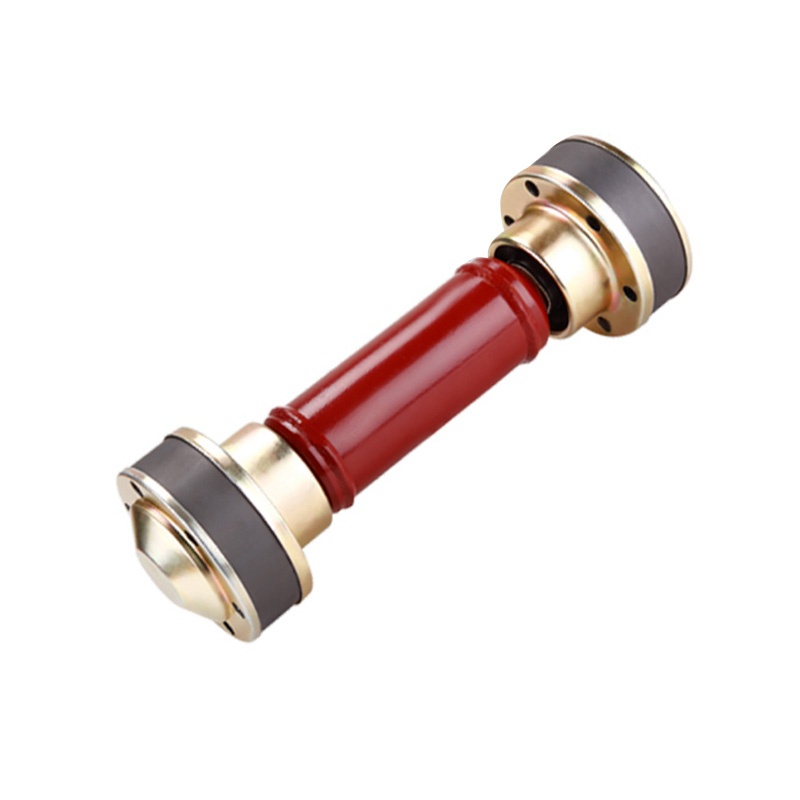
Custom Constant Velocity Joints for Industrial Machines

Home / Products / Constant Velocity(CV) Joint
About Rokang
Jiangsu Rokang Heavy Industry Technology Co., Ltd.
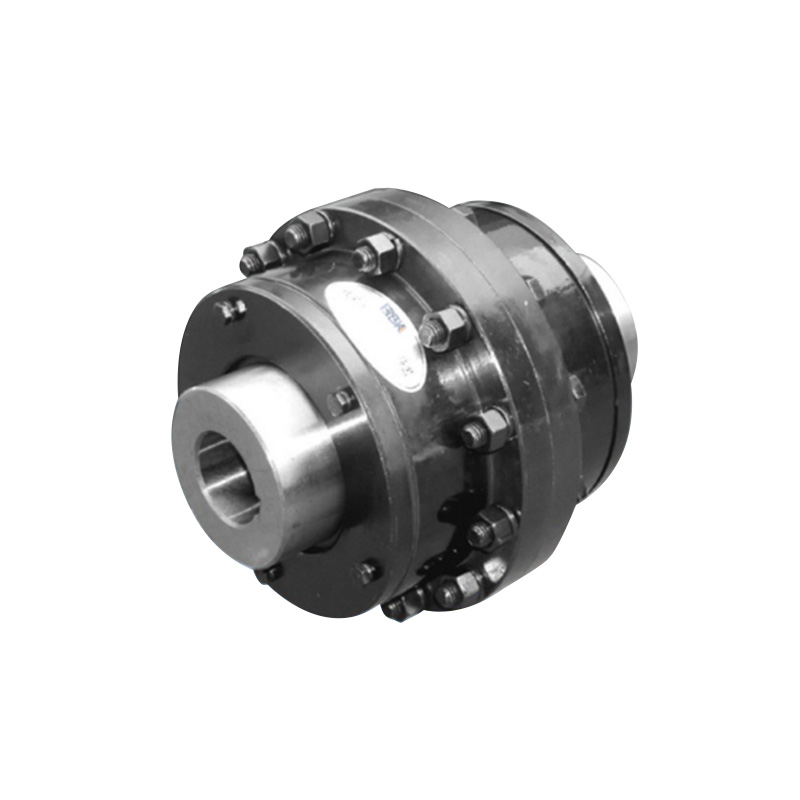
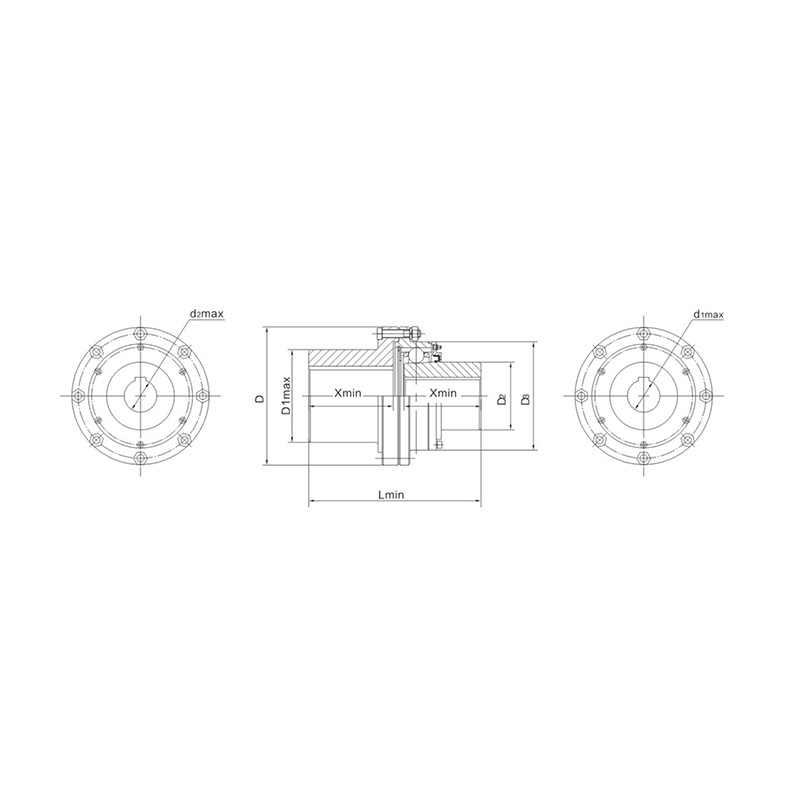
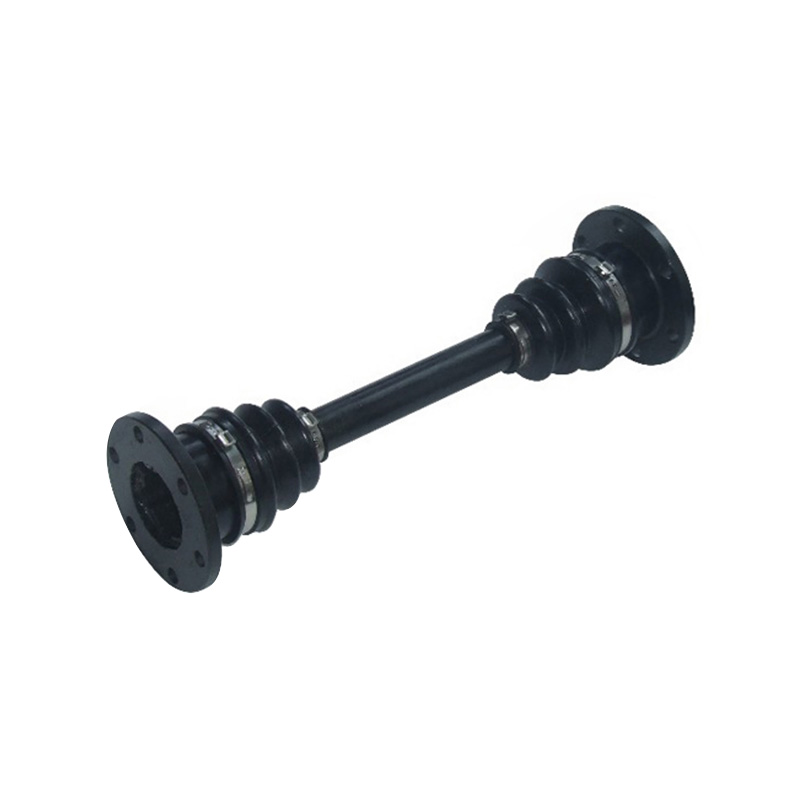
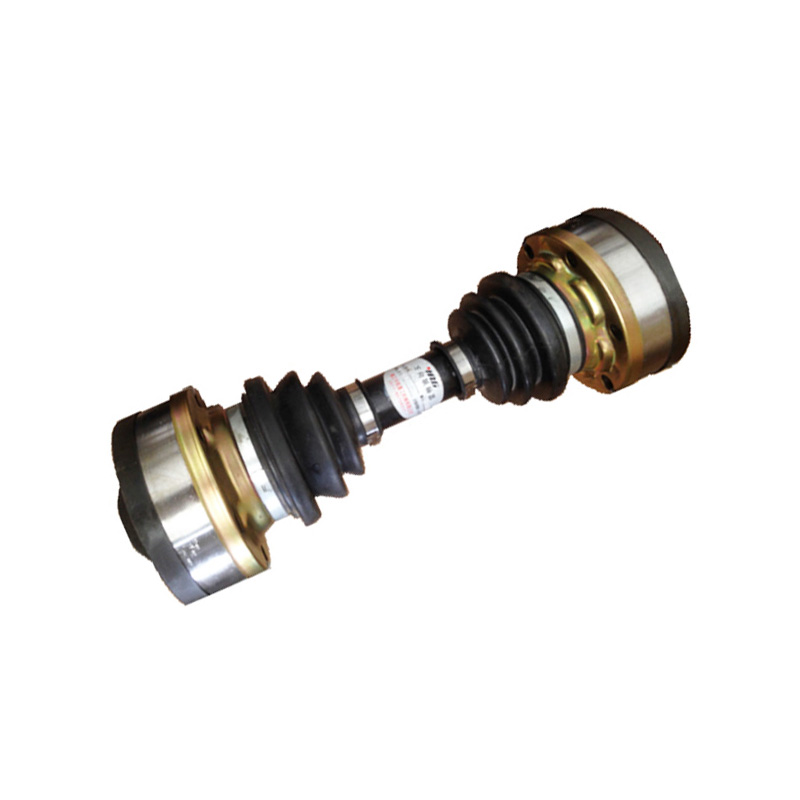
Jiangsu Rokang Heavy Industry Technology Co., Ltd. has fixed assets of more than 80 million yuan, and has a team of professional talents in mechanical design, precision manufacturing, heat treatment, welding, etc.; the company has a one-stop complete set of processing facilities and a series of quality inspection systems such as measurement, physical and chemical, and dynamic testing, and has a comprehensive mechanical processing capability. Constant Velocity Joints Manufacturers and CV Joints Factory in China. For many years, the company has been committed to the research and development and manufacturing of ball cage type constant velocity universal couplings, cross shaft type universal couplings, and drum gear couplings. It has carried out close industry-university-research cooperation with military and local scientific research institutes and Power Engineering Department of PLA Naval Academy, and has continuously expanded into the fields of precision, heavy load and high speed. The products have successfully replaced foreign famous brand products with excellent performance, and the process technology has reached the international advanced level. It has been widely used in lifting and transportation, metallurgical machinery, metal rolling, engineering machinery, mining machinery, petrochemical, textile machinery, military ships, armored vehicles, railway locomotives, special vehicles and other fields. The product quality and service have been recognized and praised by the majority of users, and are exported to Europe, America, Russia, the Middle East, India and other countries and regions. In recent years, the company has been committed to the in-depth research and development of ball cage constant velocity universal couplings, and has successively developed ball cage constant velocity universal couplings for screw pumps, ball spline ball cage constant velocity universal couplings, coaxial double-speed, and double-way ball cage constant velocity universal couplings. Custom Constant Velocity Joints for Industrial Machines. It fundamentally solves the new problems that users currently encounter during use. The company has always adhered to the business purpose of "quality first, honest management, and customer first". We are willing to work with you with excellent products, preferential prices and thoughtful services to create a brilliant career!


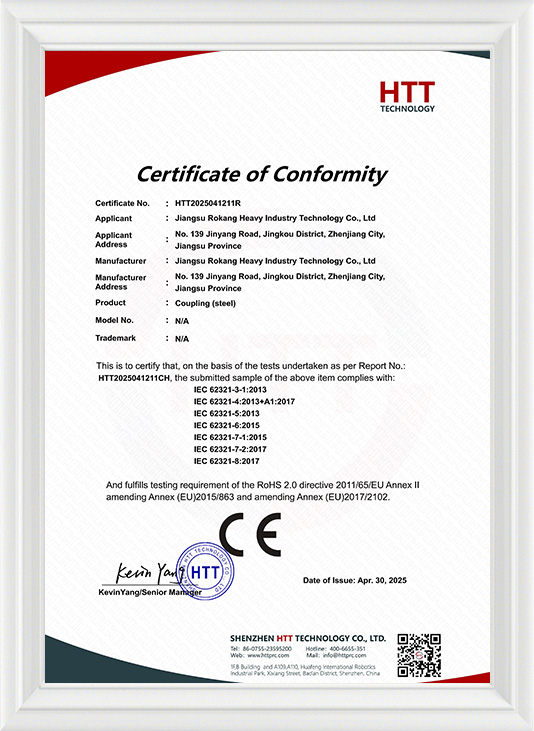
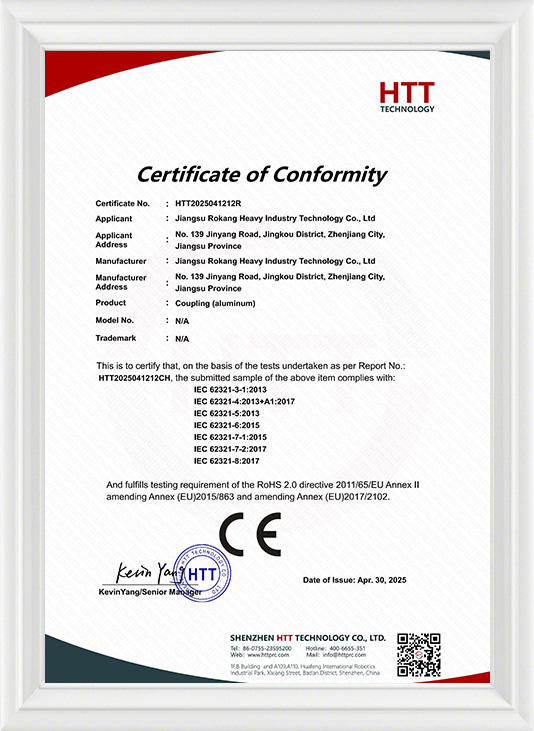
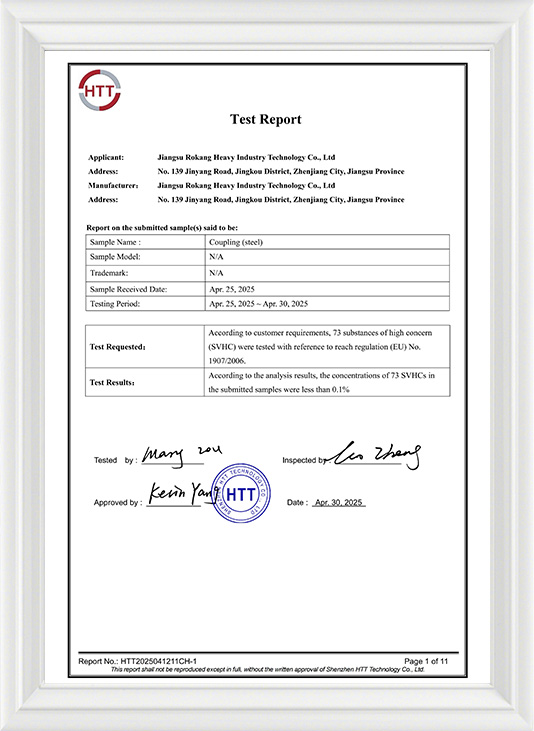
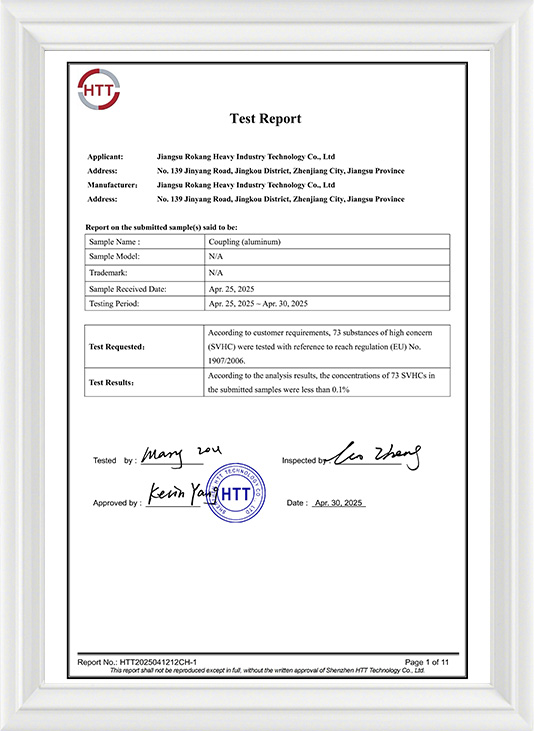
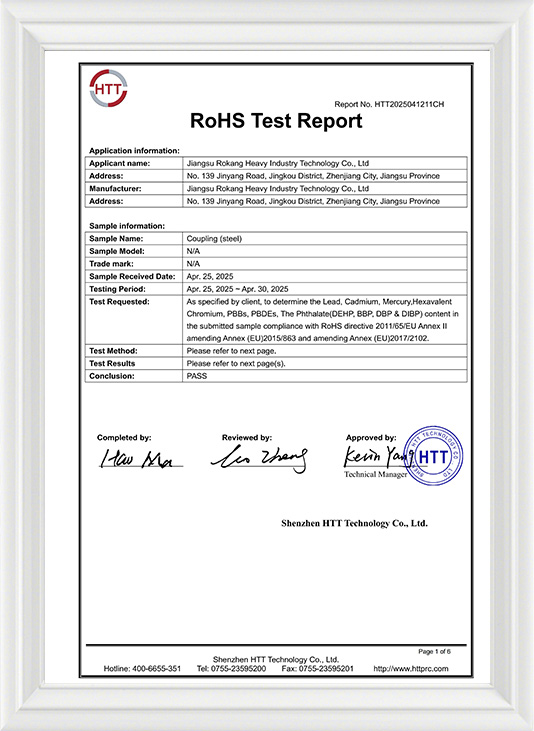
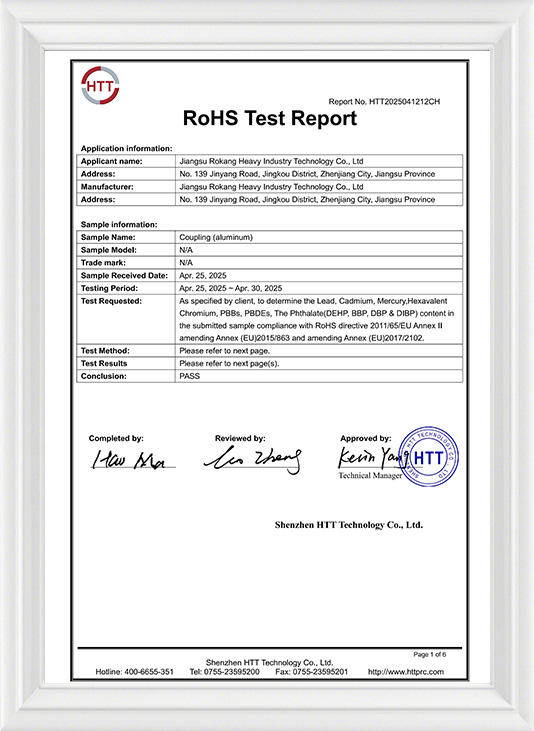
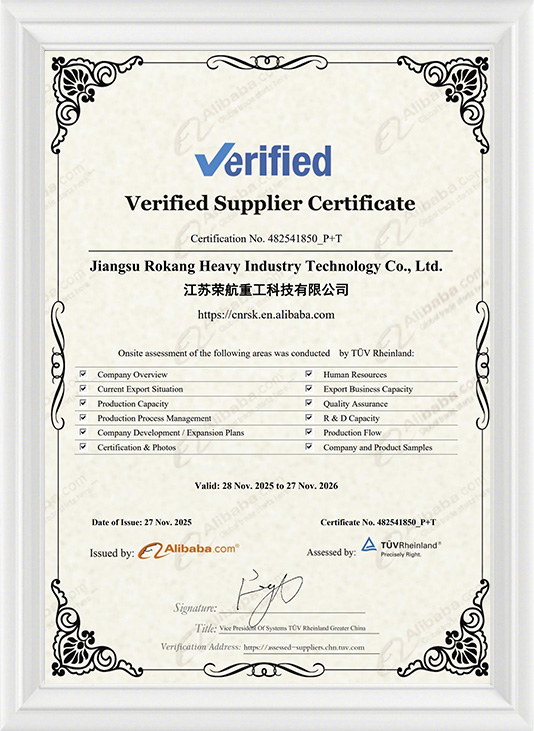
Certificate Of Honor

News
Industry knowledge

Selecting a CV Joint by Duty Cycle, Not Just Torque

Bulk procurement errors often come from sizing by peak torque alone. In industrial drives, what usually limits service life is the combined effect of duty cycle, angle regime, and lubrication stability. A joint that survives a short overload may still fail early if it runs many hours at moderate torque but elevated articulation.

Practical selection inputs that matter

  • Continuous torque and peak torque with duration (seconds/minutes)
  • Operating angle range (steady-state angle vs transient maximum)
  • Speed range (especially low-speed/high-torque vs high-speed/moderate torque)
  • Axial plunge requirement (expected in/out travel and frequency)
  • Ambient contaminants (water, dust, scale, pulp splash) and washdown practices

A useful rule for buyers is to define the “most common” angle and torque combination as your baseline, then derate for sustained high-angle operation. Running at higher angles increases internal sliding and heat generation, which accelerates grease breakdown and wear.

Angle, Speed, and Heat: The Real Wear Triangle

In steel mills, mining conveyors, and paper lines, CV joints often run “fine” until grease shears down or boots leak, after which wear accelerates rapidly. The wear drivers are coupled: articulation angle increases sliding velocity; speed increases friction cycles; and heat reduces lubricant film strength.

What bulk buyers should standardize in specs

  • Maximum continuous operating angle (not only “max angle”)
  • Maximum transient angle and allowed time at transient angle
  • Temperature limit of grease and boot material (continuous and peak)
  • Balance/centricity requirements if the shaft rotates at higher RPM

If you cannot reduce the running angle, prioritize a joint design and grease package proven for sustained articulation. In our experience supporting export lines across harsh environments, that single decision reduces maintenance interventions more than any other sizing shortcut.

Grease Selection: Shear Stability Beats “More Grease”

For Constant Velocity Joints, grease is not just lubrication; it is also a thermal manager and contamination buffer. Industrial buyers sometimes request “extra fill,” but overfilling can increase churning losses and heat, especially at higher RPM or sustained articulation angles.

What to align between grease and operating conditions

  • Base oil viscosity vs speed (too viscous at high speed increases heat; too thin at high load reduces film)
  • Thickener and additive system compatibility with boot elastomer
  • Water resistance (washdown, humid pulp environments) and corrosion protection
  • Shear stability for repeated articulation (prevents grease from turning into “oil + soap” separation)

If you standardize one grease across many lines, confirm it under your worst-case combination of angle, speed, and ambient temperature. Grease that survives static load may still fail under high-angle cyclic shear.

Acceptance Criteria for Bulk Orders: What to Ask to Reduce Lot Variance

Bulk buyers often focus on unit price while under-specifying acceptance criteria. Clear, testable criteria reduce the total cost of ownership by preventing inconsistent lots from entering service. The most effective criteria are those tied to function: torque capability, articulation smoothness, sealing integrity, and dimensional consistency.

Examples of measurable acceptance checks that bulk buyers can include in CV joint procurement specifications.
Category Check Why It Matters
Dimensional Key fits, spline dimensions, flange PCD/runout Prevents assembly rework and interface fretting
Functional Articulation smoothness across angle range Reduces vibration and heat at operating angles
Sealing Boot clamp retention, leakage/pressure hold checks Controls contamination ingress and grease loss
Material/Heat Treat Hardness and case depth on load paths Improves fatigue life and wear resistance
Dynamic Temperature rise under load, balance if required Stabilizes performance across lots

Because we operate a one-stop set of processing facilities and quality systems (measurement, physical/chemical, and dynamic testing), we can align these checks with your internal QA flow. For international buyers, consistent acceptance criteria is the fastest way to reduce cross-region maintenance variance.

Designing for Harsh Media: Wet, Dusty, and Abrasive Industrial Zones

Harsh environments do not just “wear parts faster”—they change the failure mode. Water causes corrosion and emulsifies grease; abrasive dust converts sliding contacts into lapping surfaces; humidity accelerates boot aging. Industrial CVJs survive by controlling ingress and maintaining lubricant film strength.

Constructive mitigation options

  • Use labyrinth or secondary shields outside the boot in high-splash areas
  • Specify corrosion-resistant treatments for exposed hardware and interfaces
  • Select boot compounds rated for ozone/UV if installed outdoors
  • Standardize a preventive boot inspection interval aligned with washdown or shutdown schedules

For bulk shipments to diverse regions (Europe, America, Russia, Middle East, India), environmental variance is real. We typically recommend defining “environment classes” and matching sealing/grease packages accordingly, rather than forcing one configuration everywhere.

Retrofit Notes: Converting U-Joint Drives to CVJ Drives Without Surprises

CVJ retrofits are common where vibration, noise, or premature bearing wear are traced to torsional speed fluctuation in U-joint drives. However, the retrofit should be treated as a system change: supports, bearings, and couplings may see different loads once the fluctuation is removed.

Key engineering checks during retrofit planning

  • Confirm available axial travel for plunge (or redesign to add it)
  • Re-check bearing loads after removing torsional ripple (often improves, but validate)
  • Validate guarding and clearance around boots at max articulation and max plunge
  • Set commissioning checks for temperature rise and grease retention under real angles

A well-planned retrofit typically converts “periodic vibration issues” into predictable wear intervals. When buyers share duty cycle and angle profiles early, we can match design details and testing to prevent surprises at scale.