






 English
 русский
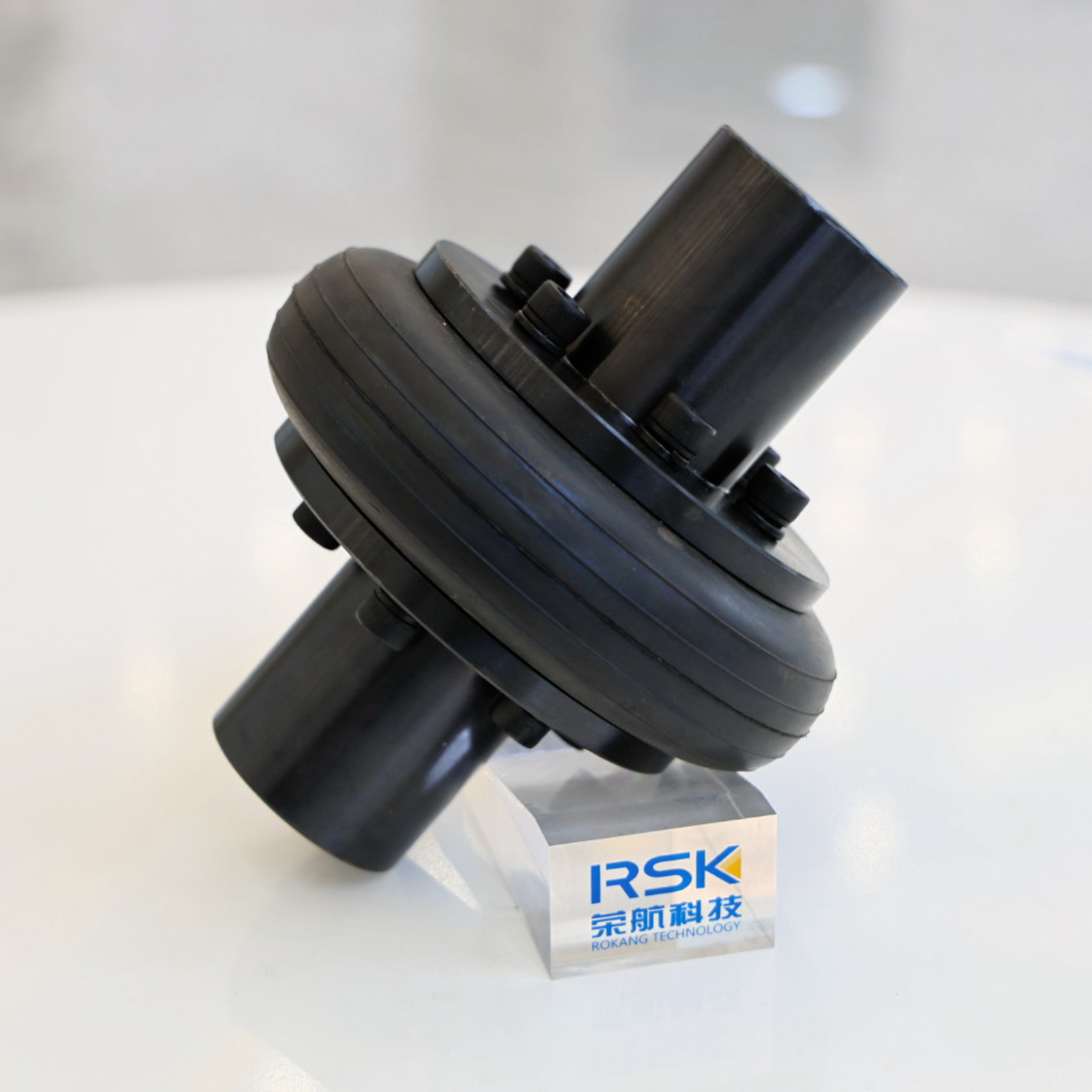
RSK-UL type tire coupling high-flexibility maintenance-free low-speed flexible coupling
Our waterproof and dustproof tire coupling is designed to cope with harsh working environments and can still operate stably under harsh conditions suc...
Our waterproof and dustproof tire coupling is designed to cope with harsh working environments and can still operate stably under harsh conditions suc...
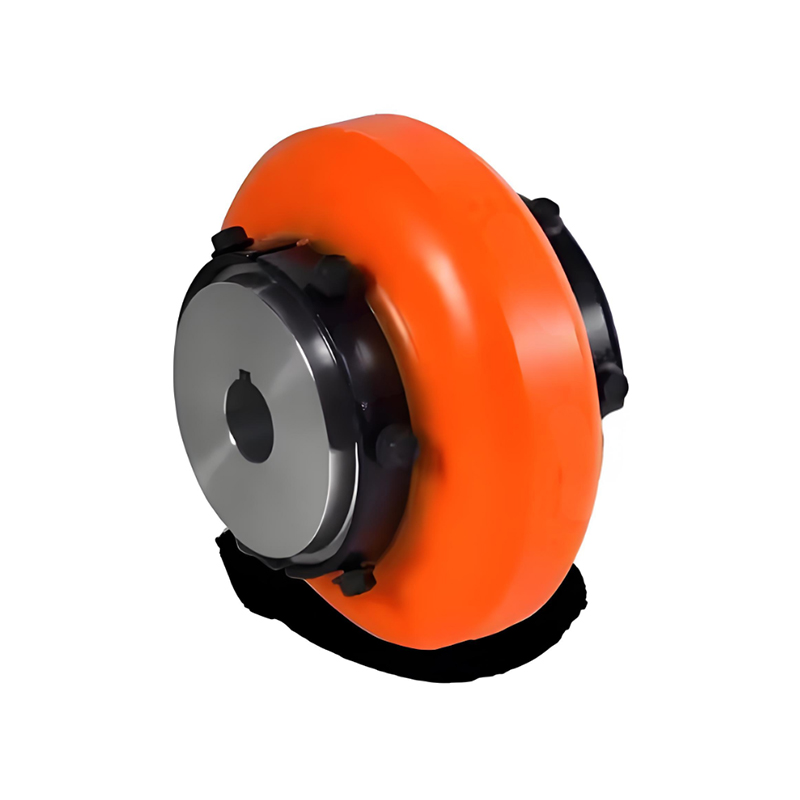
The Omega-shaped Tyre Coupling features a core component which is an integrally molded ring-shaped rubber elastomer with a cross-sectional profile sha...
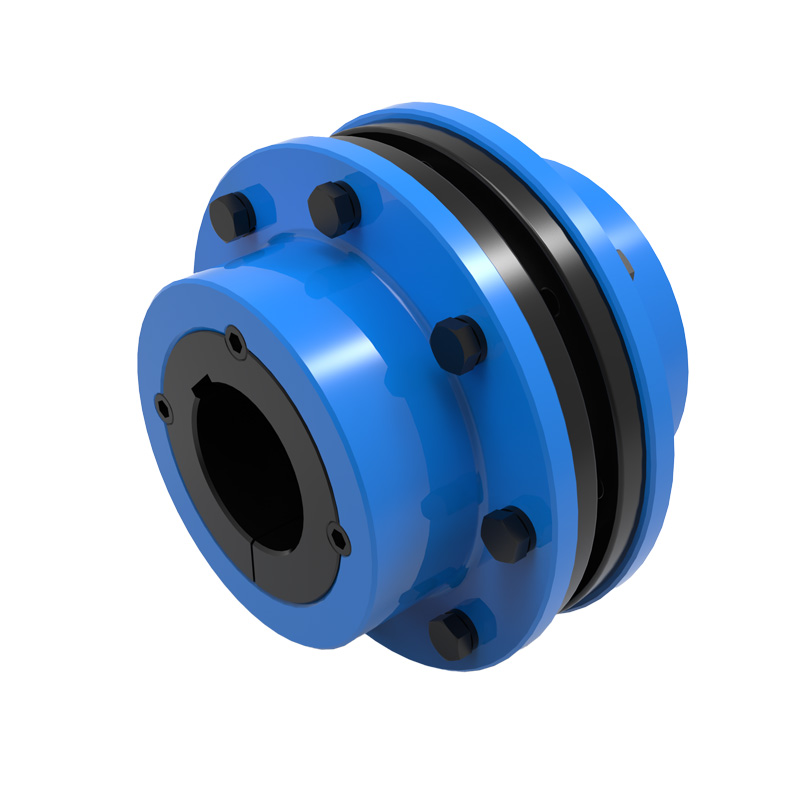
Our waterproof and dustproof tire coupling is designed to cope with harsh working environments and can still operate stably under harsh conditions suc...
A tire coupling (or tyre coupling) is a flexible mechanical connector for shafts that uses a reinforced rubber tire element between two hubs to transmit torque while absorbing shock, dampening vibration, and accommodating significant angular, parallel, and end-float misalignment, making it low-maintenance, lubrication-free, and excellent for protecting connected machinery in various industrial uses like pumps and conveyors.
Key Components & Design
Hubs: Two metal (cast iron/steel) flanges connected to the driving and driven shafts.
Rubber Tire: A durable, cord-reinforced rubber ring that acts as the flexible element, clamped between the hubs.
Simplicity: The design involves no sliding parts, meaning no lubrication is needed.
How It Works
Torque Transmission: Torque moves from one hub, through the rubber tire, to the other hub.
Misalignment Compensation: The tire's flexibility allows it to absorb angular (tilting) and parallel (offset) misalignment between shafts.
Vibration Damping: The rubber absorbs torsional vibrations and shock loads, ensuring smoother operation and less wear on bearings.
Advantages
High Flexibility: Handles substantial misalignments.
Reduced Maintenance: No lubrication required.
Shock Absorption: Protects equipment from sudden impacts.
Electrical Isolation: The rubber provides insulation, preventing stray currents from damaging bearings.
Common Applications
Pumps (water, chemical)
Conveyors
Mixers & Agitators
Steel Mills & Paper Mills
General industrial machinery
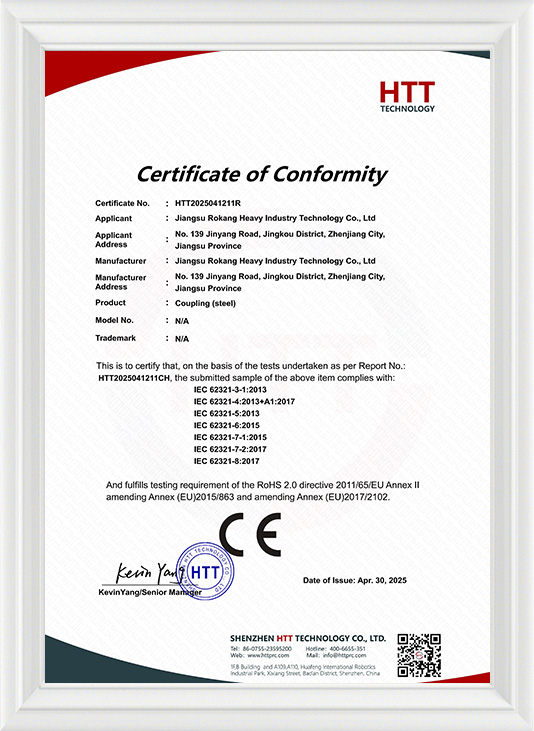
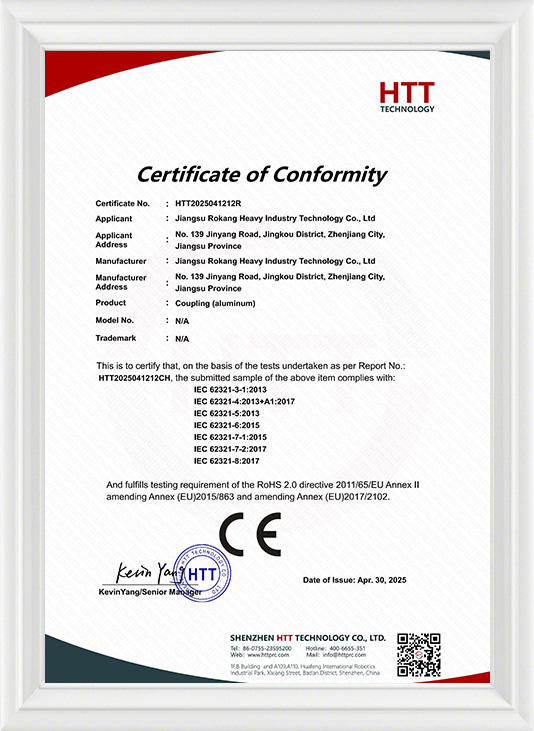
The Operational Advantage of Serpentine Spring Couplings A serpentine spring coupling is the optimal solution for high-torque, heavy-duty industrial applications requiring precise alignment compensation and shock absorption. These couplings can transmit up to 30% more torque per unit volume compared to traditional gea...
READ MOREThe Core Purpose of Flexible Couplings Flexible couplings are mechanical devices designed to transmit torque between two shafts while accommodating misalignment and reducing vibration. Their immediate benefit is operational protection: they minimize mechanical stress, prevent premature bearing failure, and stabilize p...
READ MOREWhat Flexible Couplings Do and Why They Matter Flexible couplings connect two rotating shafts while allowing controlled misalignment, vibration damping, and shock absorption. Their primary value is protecting equipment: by reducing stress on bearings, seals, and shafts, they extend machine life and improve operational...
READ MORETire couplings are flexible mechanical components designed to transmit torque while accommodating misalignment between shafts. Unlike rigid couplings, tire couplings use a resilient elastomer layer, which reduces vibration, absorbs shock loads, and protects connected equipment from damage. In my experience working with heavy-duty applications, selecting the correct tire coupling material is crucial for optimizing longevity and performance.
The elastomer in tire couplings can be made from natural rubber, polyurethane, or other synthetic compounds. Each material provides a balance between flexibility, torque transmission, and resistance to temperature or chemical exposure. For example:
Tire couplings are relatively low-maintenance, but regular inspection is essential. Check for cracks, hardening, or deformation in the elastomer. Misalignment, excessive torque, or improper installation can accelerate wear. I often recommend our clients pair tire couplings with a precision alignment check, ensuring the coupling performs optimally throughout its lifespan.
Thanks to their shock-absorbing properties and flexibility, tire couplings are widely used in diverse fields. Our tire couplings have replaced imported brands in many high-demand sectors, demonstrating both reliability and international-level performance.
In metallurgical plants, tire couplings help drive rolling mills, crushers, and conveyors. The coupling’s ability to absorb shock protects expensive equipment during sudden load spikes, which are common in mining operations. From my perspective, investing in high-quality tire couplings reduces unplanned downtime and improves productivity.
Tire couplings are suitable for pumps, compressors, and mixers in petrochemical industries. In textile machinery, they allow smooth torque transfer across high-speed rollers, reducing vibrations that can compromise fabric quality. I’ve seen firsthand how upgrading to our tire couplings can improve operational stability and reduce maintenance frequency.
Modern tire couplings incorporate advanced design features to maximize performance. The bonding process between the elastomer and the metallic hub is critical. Our manufacturing team uses precision heat treatment and dynamic testing to ensure each coupling meets stringent mechanical standards.
Tire couplings can accommodate angular, parallel, and axial misalignment while transmitting torque efficiently. Below is a comparison of typical tire coupling performance metrics:
| Specification | Standard Rubber | Polyurethane |
|---|---|---|
| Max Torque (Nm) | 1500 | 2000 |
| Angular Misalignment (°) | 1.5 | 1.2 |
| Operating Temperature (°C) | -20 to 80 | -20 to 120 |
The key to tire coupling performance lies in achieving the right balance between flexibility and rigidity. Too soft an elastomer reduces torque transmission efficiency, while too hard a material decreases vibration damping. At our company, we fine-tune the durometer hardness of each coupling to match the exact application requirements, delivering reliable performance that consistently outperforms foreign brands.
With the increasing demands of high-speed, heavy-load, and precision machinery, tire couplings are evolving. New developments include hybrid designs combining elastomer and metal composites, and advanced simulation techniques to predict fatigue life under complex loads. I’m proud that our R&D team continues to innovate in this field, providing customers with solutions that meet tomorrow’s industrial challenges today.
Get in Touch
Your email address will not be published. Required fields are marked *
Have a project in mind? Contact with us!
We are happy to answer your questions. Please fill out this form and one of our professional team will get back to you as soon as possible.

A professional manufacturer specializing in the production of various types of couplings! Tire Couplings Manufacturers in China.

