Understanding Antivibration Systems in Modern Mechanical and Marine Applications
An Antivibration System is a critical mechanical solution designed to reduce torsional vibration, noise, and misalignment stress within power transmission systems. In applications such as marine propulsion, heavy machinery, and industrial equipment, uncontrolled vibration can lead to premature wear, component failure, and reduced operational comfort. A well-designed antivibration system improves system stability while extending service life.
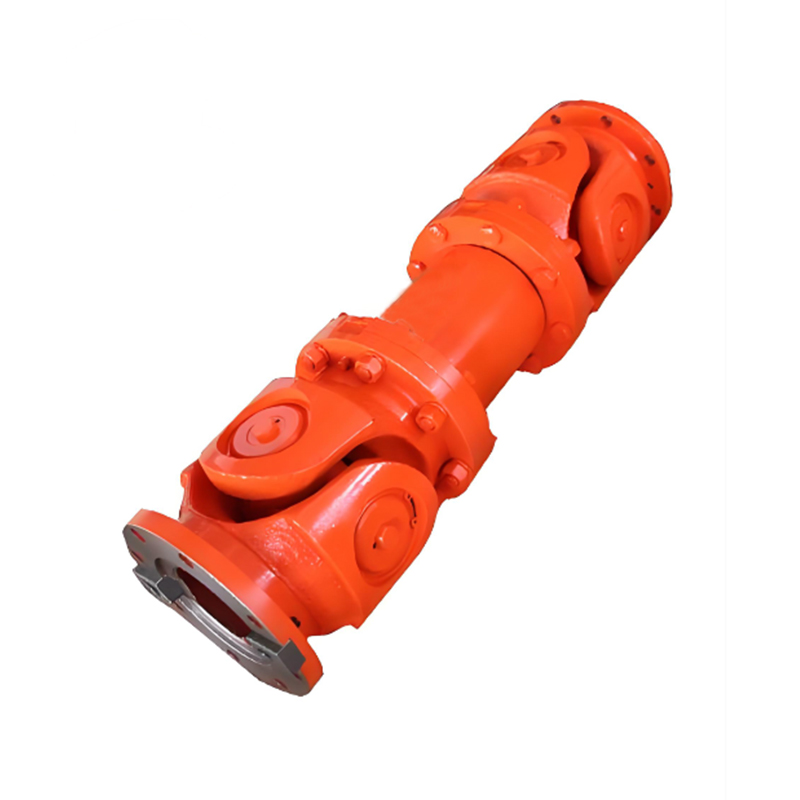
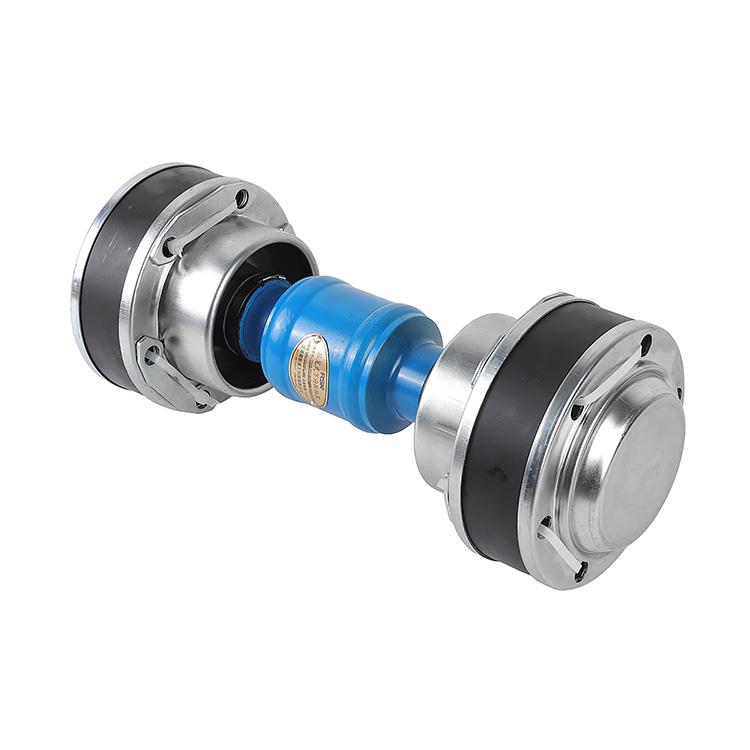
Antivibration systems function by isolating, absorbing, and compensating for dynamic forces generated during power transmission. These systems typically integrate flexible couplings, constant velocity (CV) drive shafts, and thrust-bearing structures to ensure smooth torque transfer even under fluctuating loads and alignment deviations.
- Absorption of torsional and high-frequency vibrations before they reach downstream components
- Compensation for axial, radial, and angular misalignment between gearbox and driven equipment
- Protection of bearings, shafts, and gearboxes from shock loads
Key Components and Structural Design
A practical antivibration system is composed of multiple functional elements working together. Each component plays a specific role in maintaining driveline integrity and operational smoothness.
| Component |
Function |
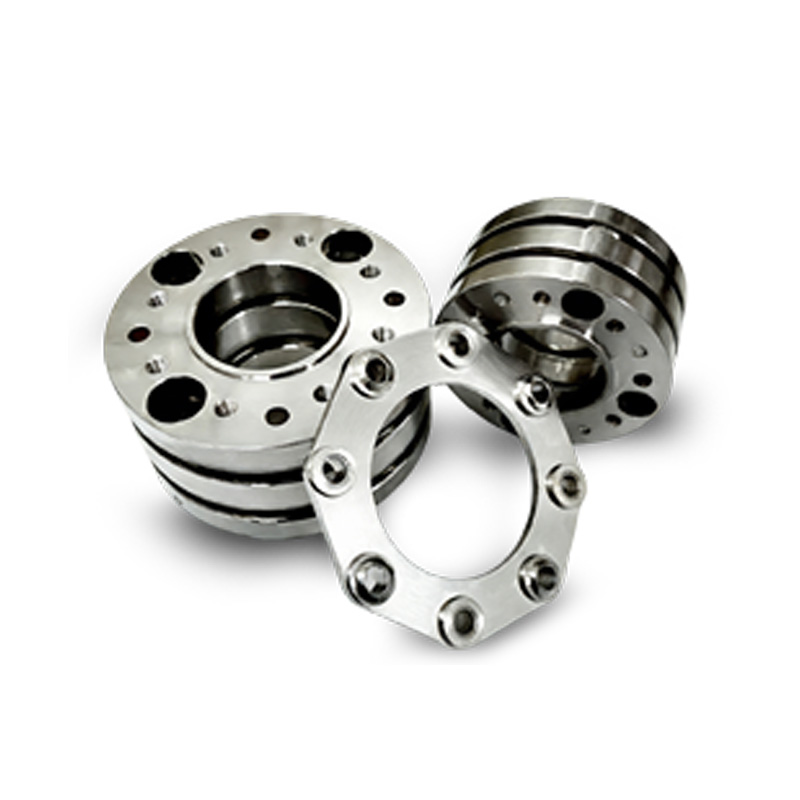
| Flexible Coupling |
Dampens vibration and accommodates minor misalignment |
| CV Drive Shaft |
Ensures constant torque transmission under varying angles |
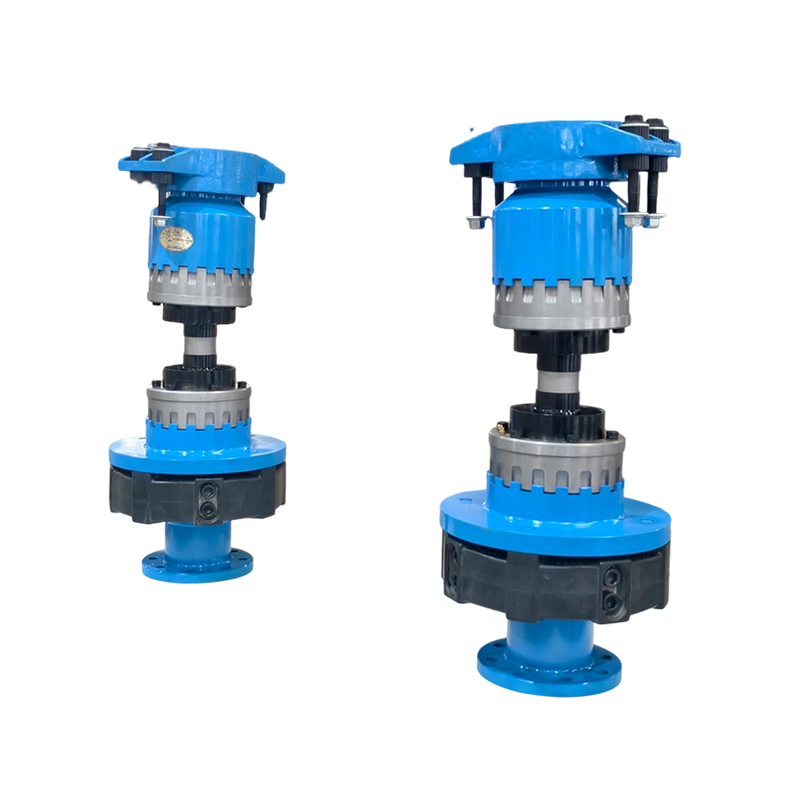
| Thrust Block |
Absorbs axial forces and protects gearbox bearings |
Industrial and Marine Application Scenarios
Antivibration systems are widely applied in environments where high torque, variable load, and continuous operation are required. In marine propulsion systems, they significantly improve onboard comfort and drivetrain reliability. In industrial sectors, they ensure stable performance under heavy-duty conditions.
- Yacht and commercial vessel propulsion systems
- Metallurgical and rolling machinery
- Mining, lifting, and heavy engineering equipment
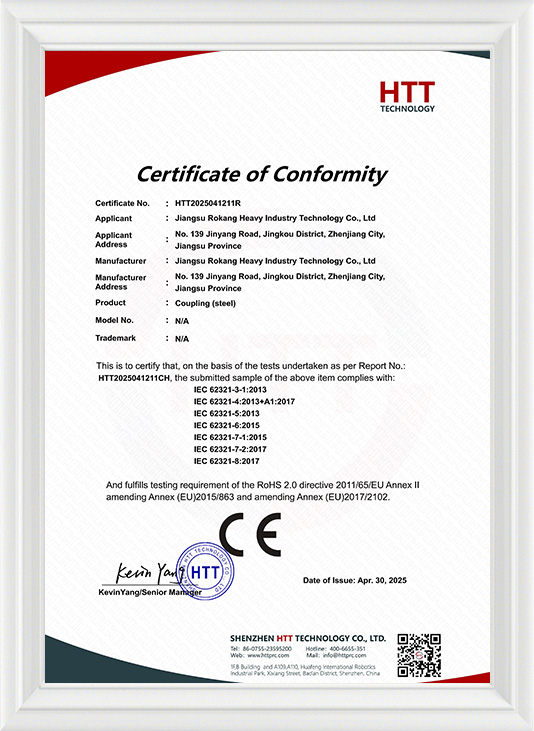
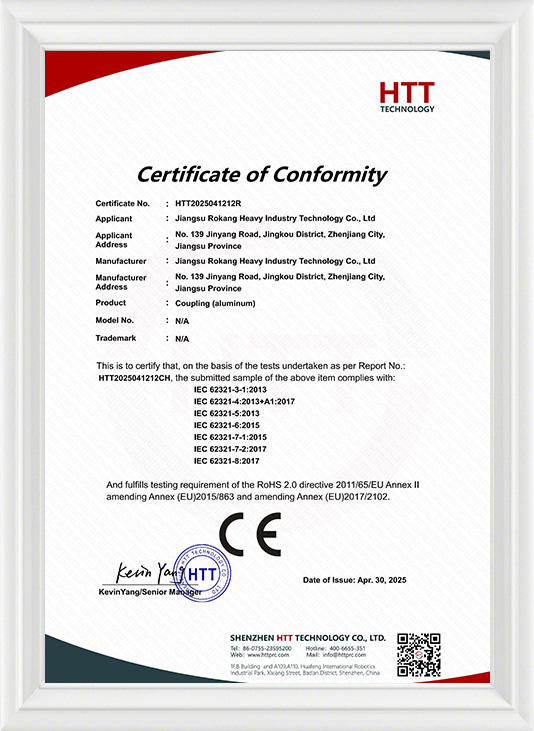
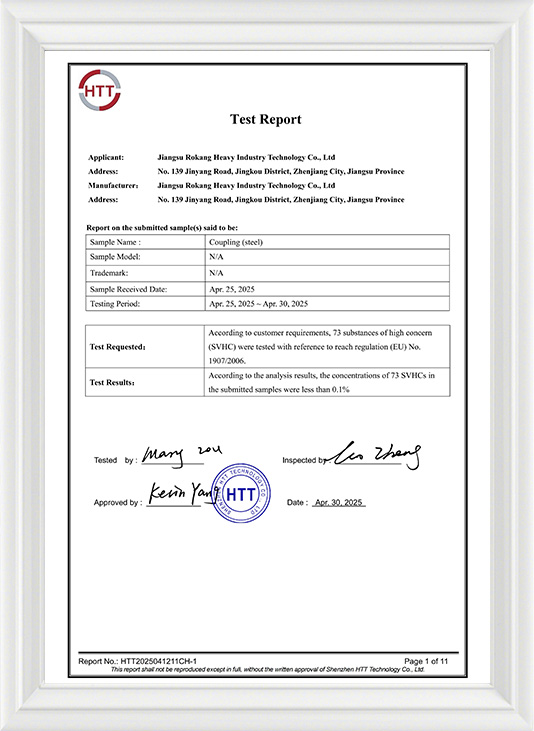
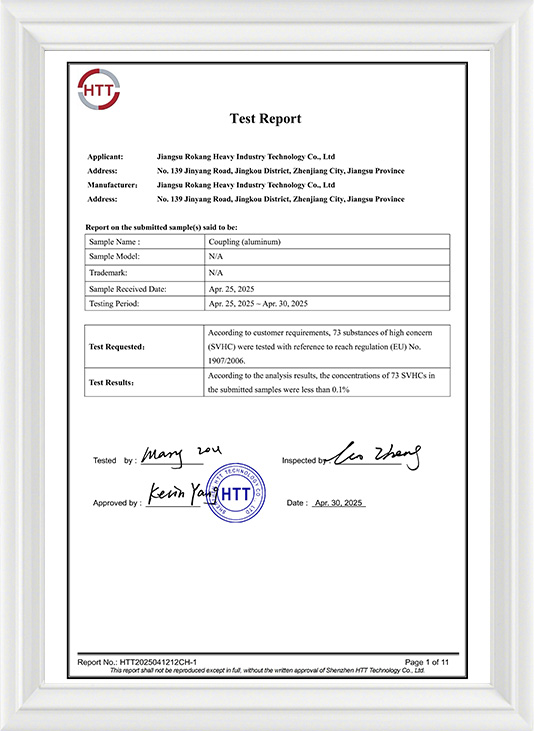
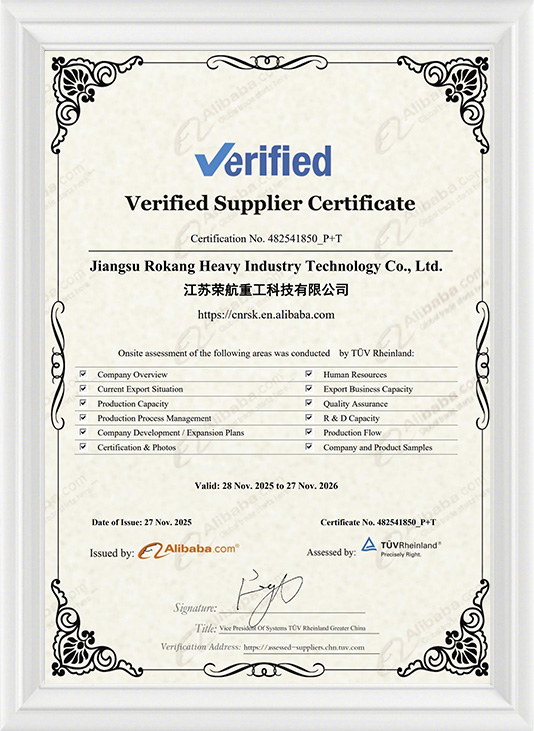
:contentReference[oaicite:0]{index=0} is a professional Antivibration System manufacturer and factory in China with fixed assets exceeding RMB 80 million. The company operates a complete one-stop machining capability covering precision manufacturing, heat treatment, welding, and assembly, supported by comprehensive inspection systems such as dimensional measurement, physical and chemical analysis, and dynamic testing.
For many years, Rokang has focused on the research and manufacturing of ball cage type constant velocity universal couplings, cross shaft universal couplings, and drum gear couplings. Through close cooperation with military and civilian research institutes and the Power Engineering Department of the PLA Naval Academy, the company has continuously expanded into high-precision, heavy-load, and high-speed application fields.
Advanced Constant Velocity Technology and Custom Solutions
In response to evolving user requirements, Rokang has developed a series of advanced ball cage constant velocity universal couplings, including designs for screw pumps, ball spline structures, coaxial double-speed systems, and bidirectional transmission. These solutions address real-world challenges such as vibration instability, torque fluctuation, and alignment sensitivity.
By offering custom antivibration systems tailored to specific operating conditions, Rokang enables customers to achieve smoother operation, reduced maintenance, and longer equipment service life across marine, industrial, and special-vehicle applications.
Practical Value of Choosing a High-Quality Antivibration System
A professionally engineered antivibration system is not an optional accessory but a functional necessity for modern drive systems. It directly improves operational stability, protects critical components, and reduces total lifecycle costs. With a business philosophy centered on quality, integrity, and customer focus, Rokang delivers dependable antivibration solutions that meet international performance standards and real application demands.







 English
 русский