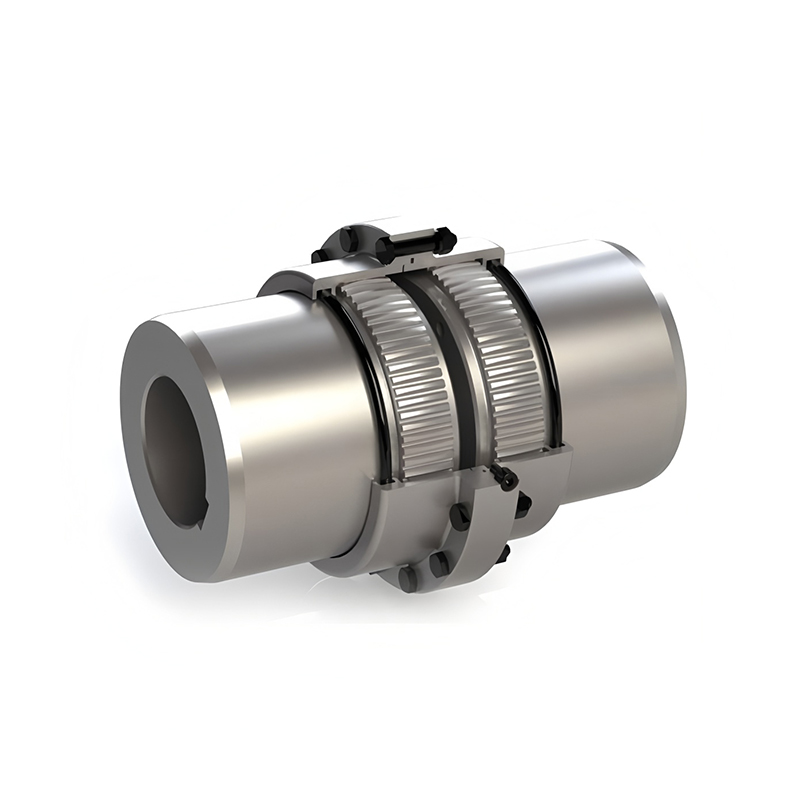
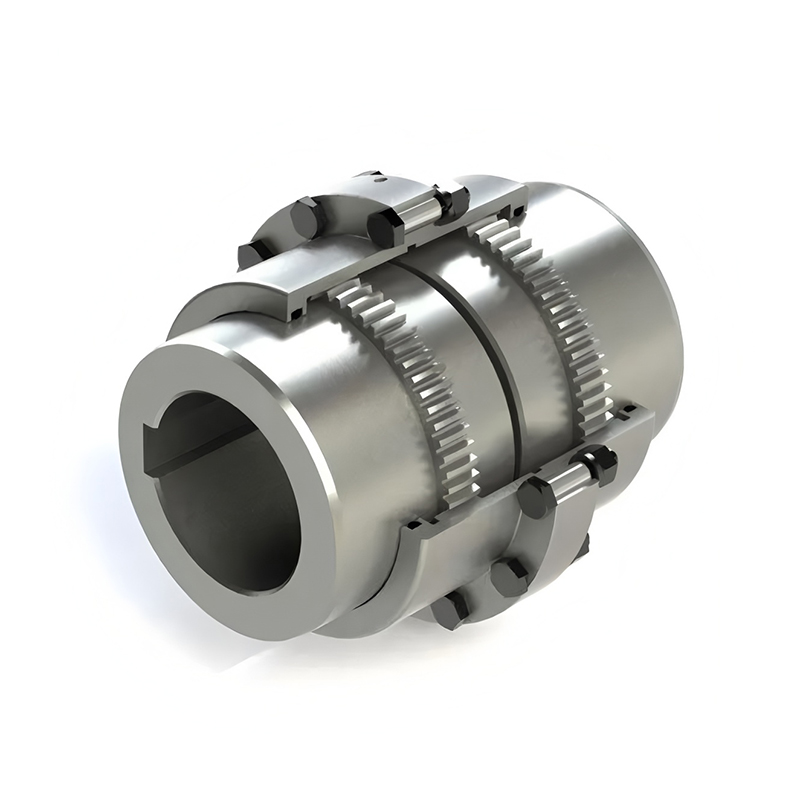
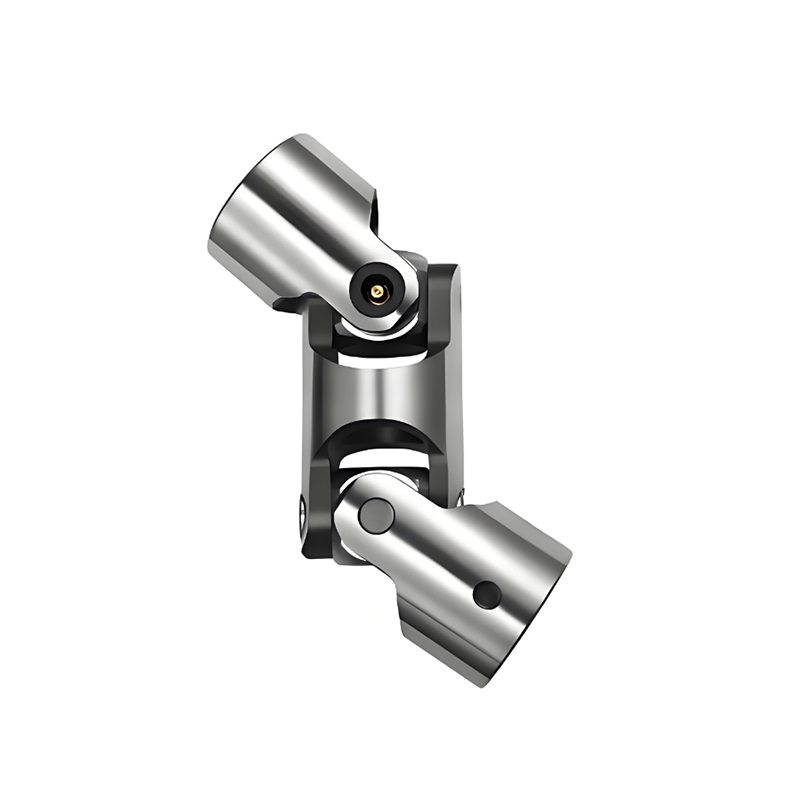
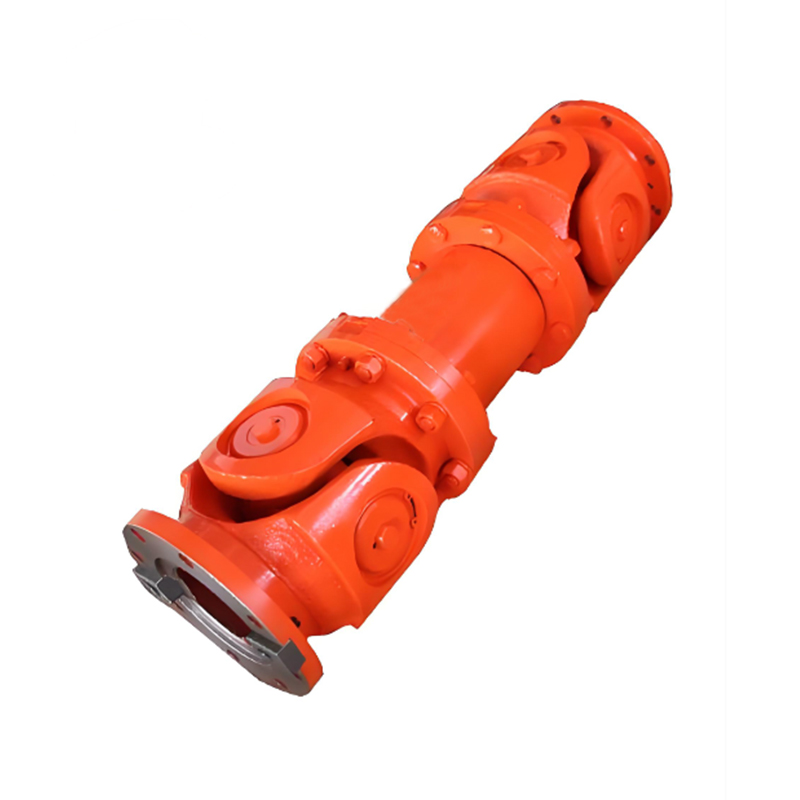
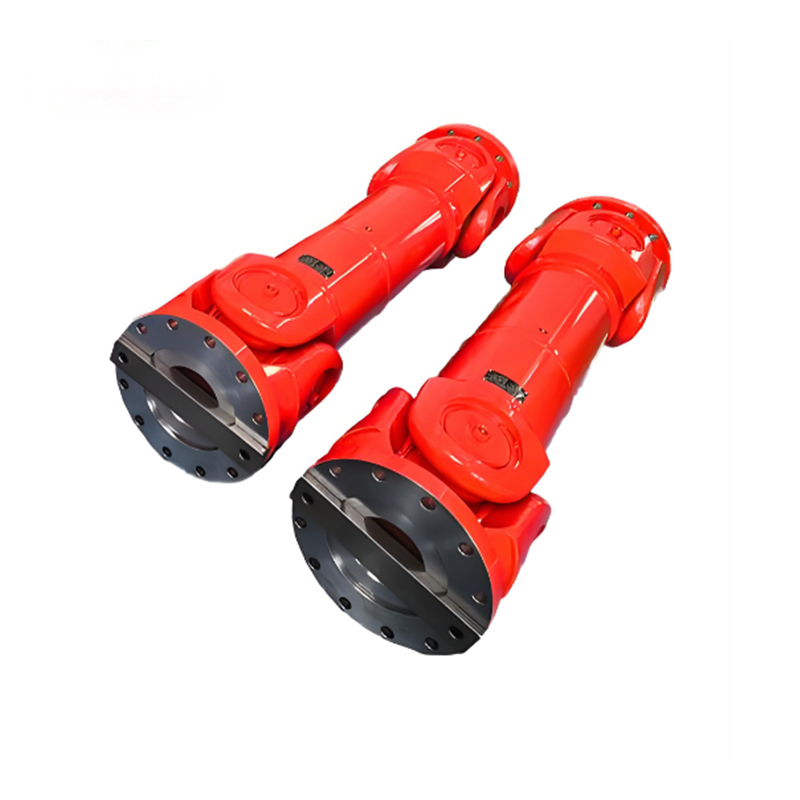
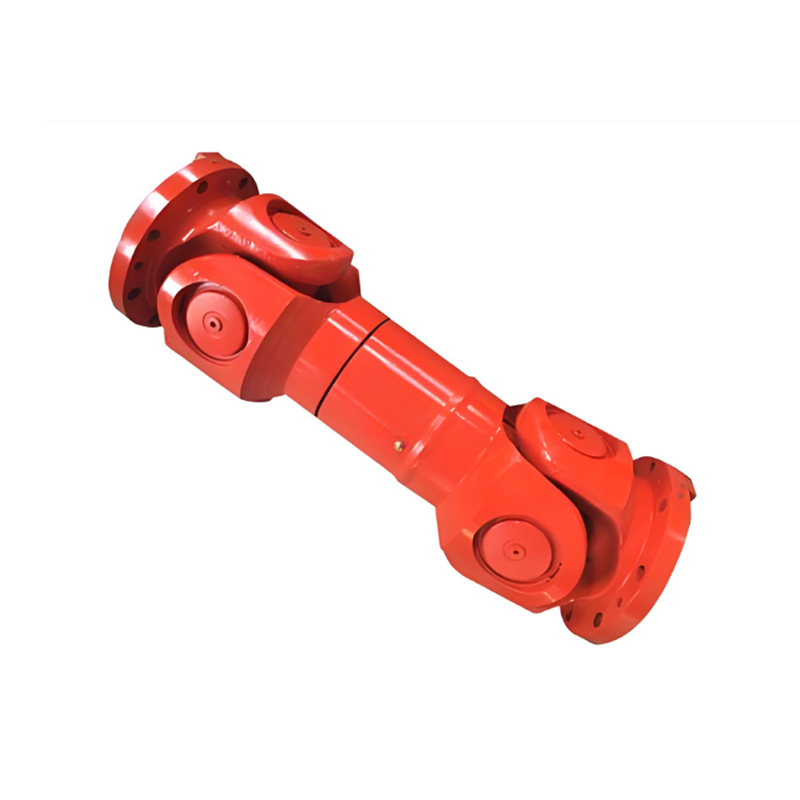
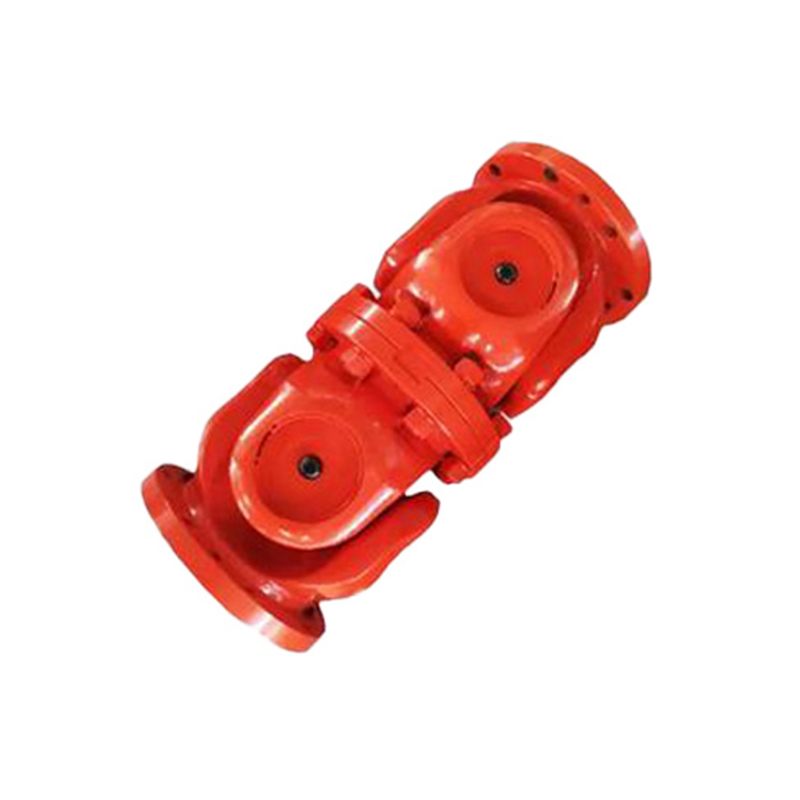
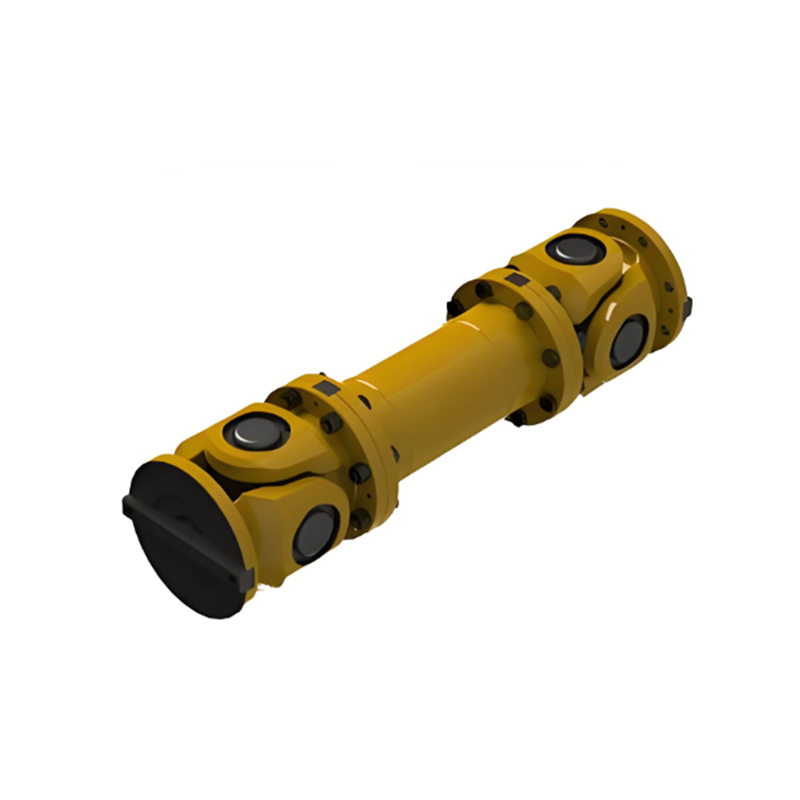
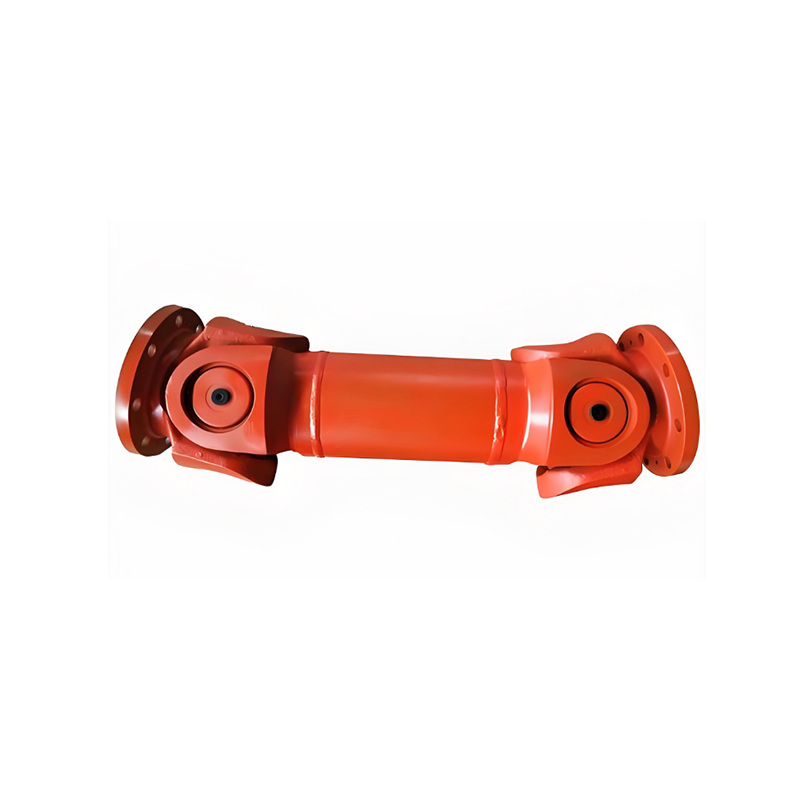
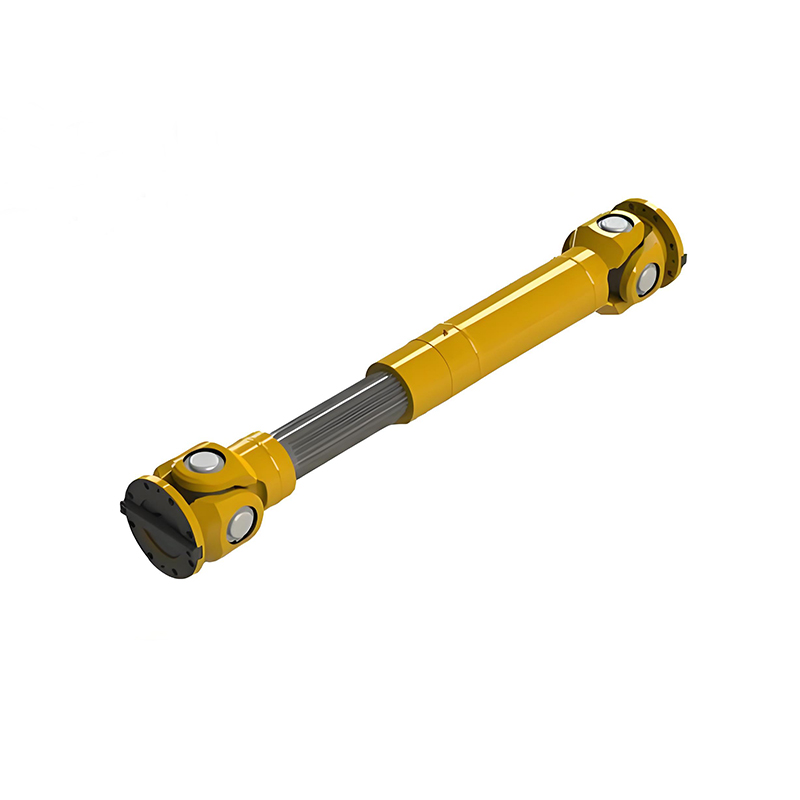
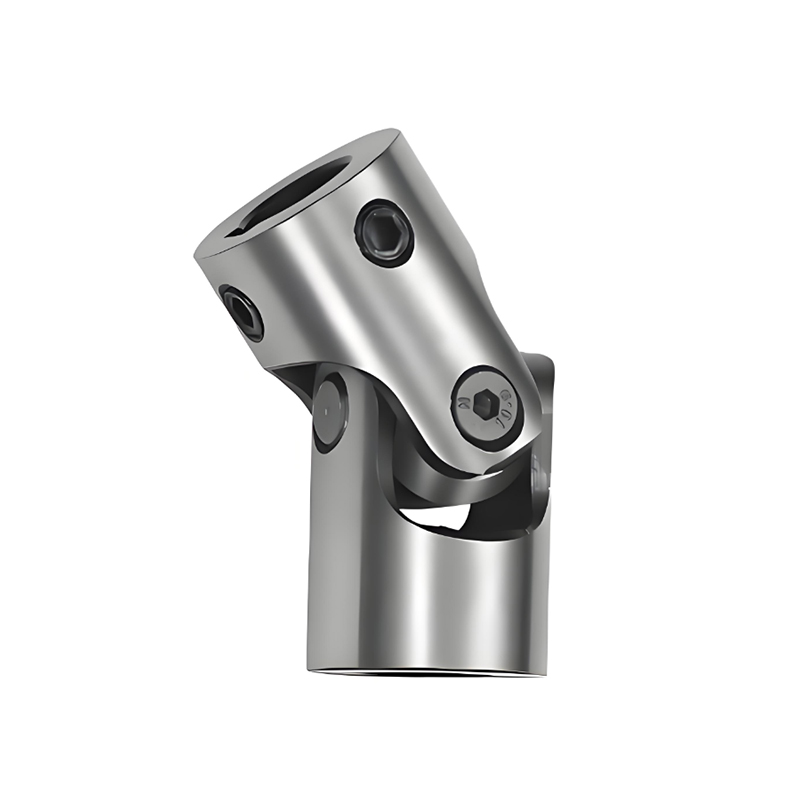
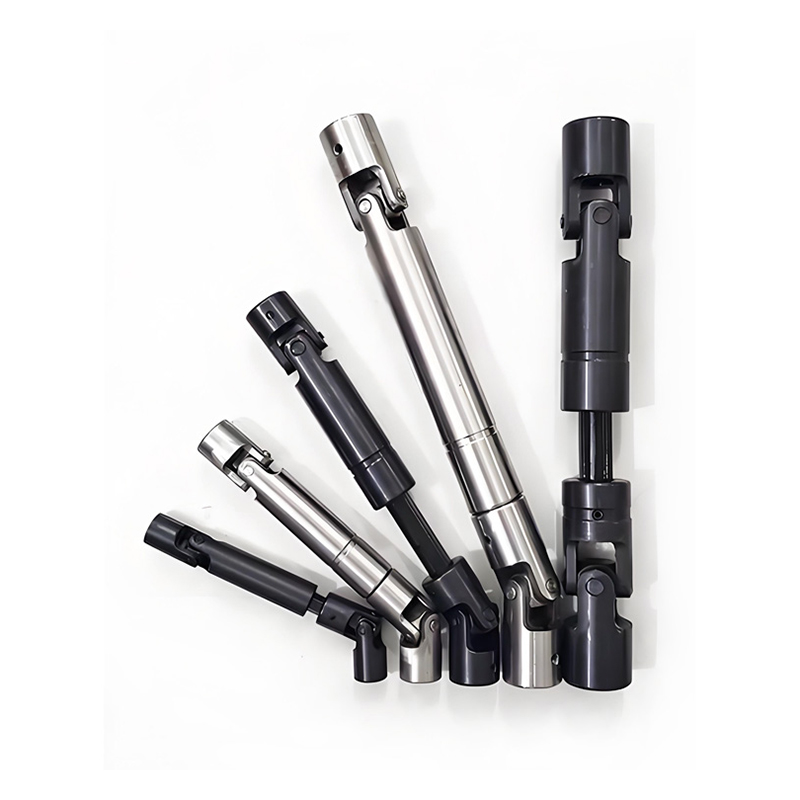
A Cardan shaft, or driveshaft, is a mechanical component that transmits torque and rotational power between misaligned or moving parts, using universal joint (U-joints) and sometimes splines to handle angular differences and changes in distance, common in vehicles (engine to wheels), construction, and industrial machinery. It allows for flexible power transfer where direct connections aren't possible, compensating for suspension movement in cars or offsets in factory equipment
Key Functions
Power Transmission: Carries rotational force from a power source to a driven component.
Misalignment Compensation: Allows power transfer between shafts at different angles or offsets, which is crucial for vehicle suspension or industrial machinery.
Flexibility: Accommodates changes in distance and angle as components move, like wheels moving over bumps.
Main Components
Shaft Tube: The main body, often hollow for strength and lightness.
Universal Joints (U-joints): Cross-shaped joints with bearing caps that allow bending in multiple planes.
Flange Yokes: Connect the shaft ends to other parts (engine, gearbox, wheels).
Applications
Automotive: Transmitting power from the transmission to the differential/wheels in rear-wheel drive (RWD) or four-wheel drive (4WD) vehicles.
Agriculture: Connecting tractor engines to implements.
Industrial: In heavy machinery, marine applications, and plant engineering
Splined Joint/Sleeve: Allows the shaft to extend or shorten as needed, compensating for axial movement.





 English
 русский