






 English
 русский
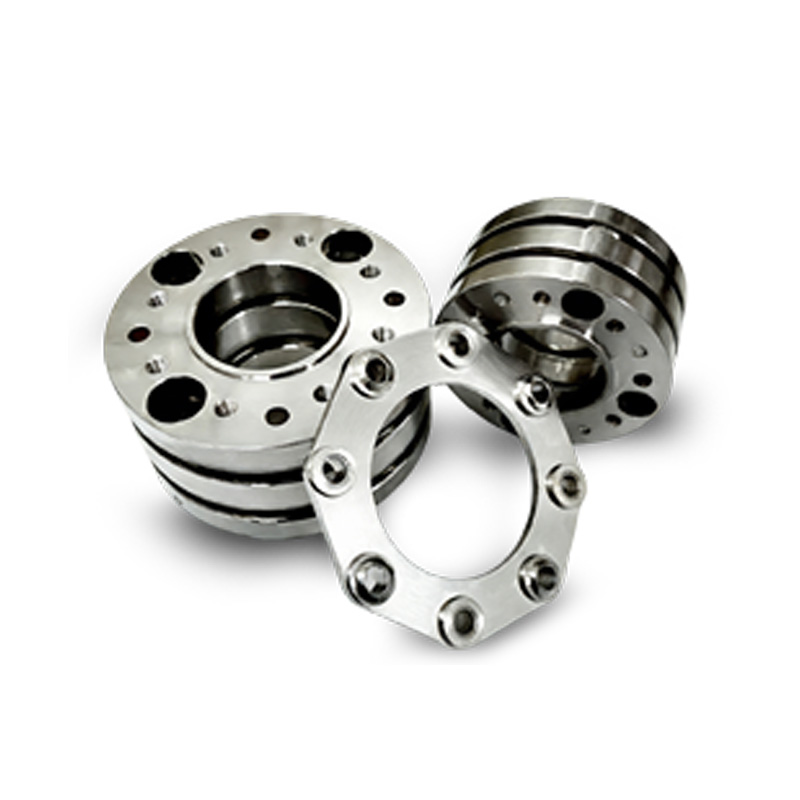
RSK-BJDF Manufacturing high-performance industry CV Joint Fixed Type
RSK CV Joint (ball cage constant velocity joint) is a high-performance transmission component. We offer a reliable, cost-effective CV Joints. Its stru...
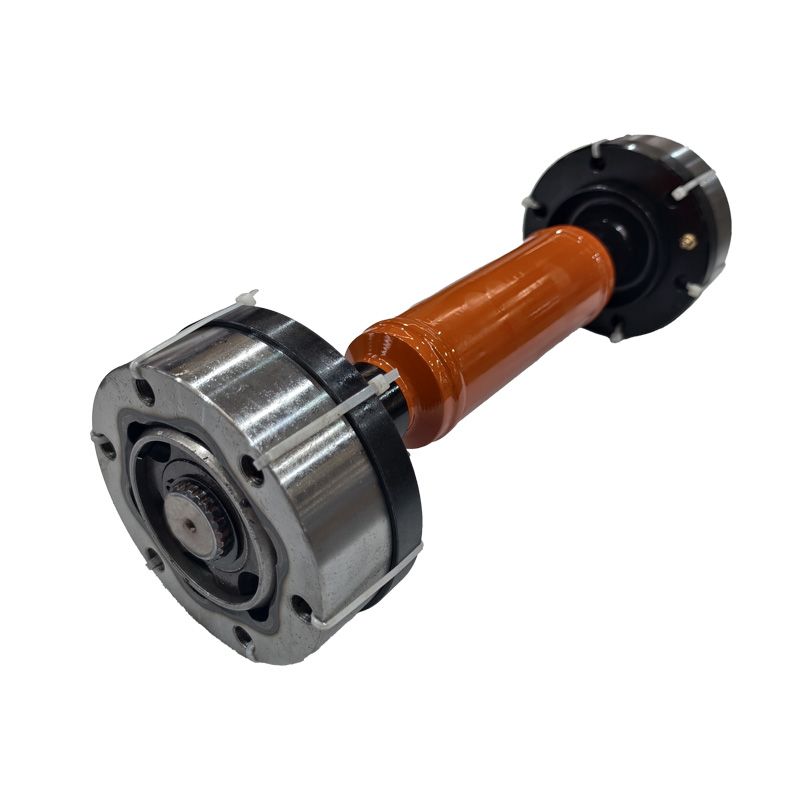
RSK CV Joint (ball cage constant velocity joint) is a high-performance transmission component. We offer a reliable, cost-effective CV Joints. Its stru...
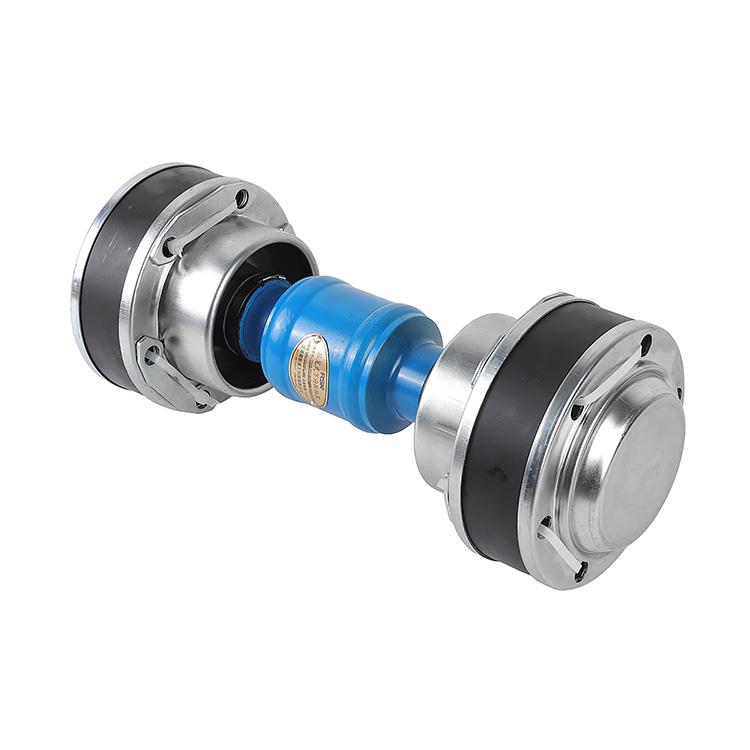
The wear-resistant telescopic constant velocity joint for test bench is a high-performance transmission component designed for complex working condit...
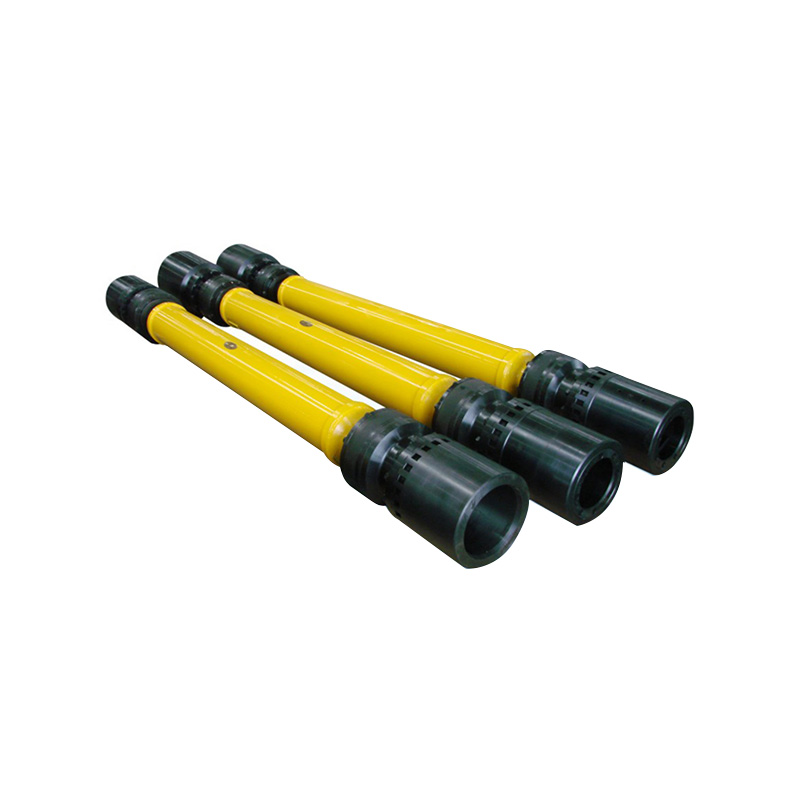
The Long plunge Ball cage CV Joint is a high-performance transmission component designed for complex working conditions. It is mainly composed of a l...
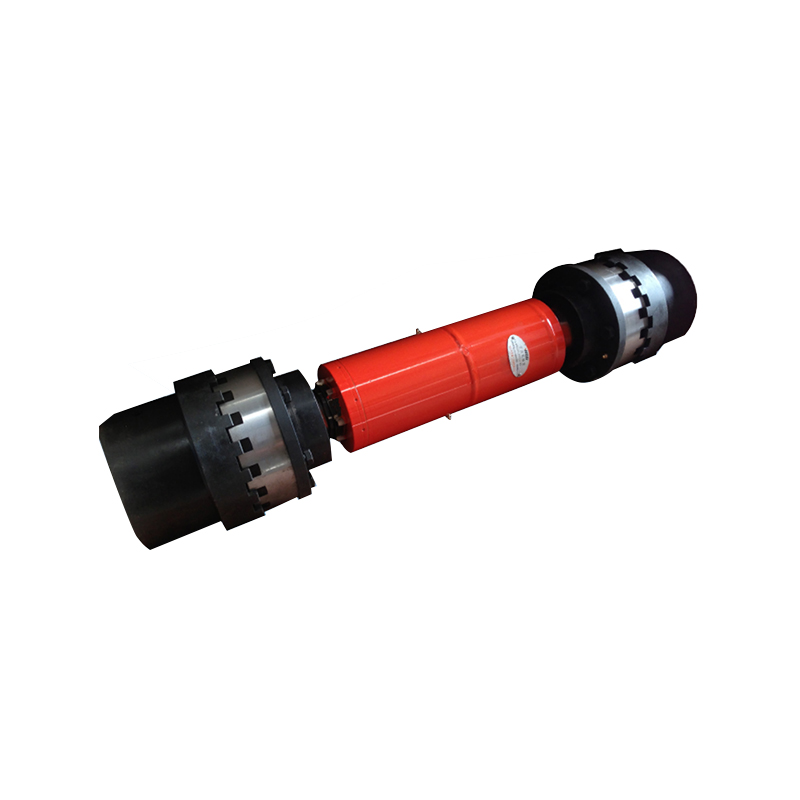
The Fixed ball cage Constant Velocity Synchronous Universal Coupling large extension is a transmission component that combines innovative design and e...
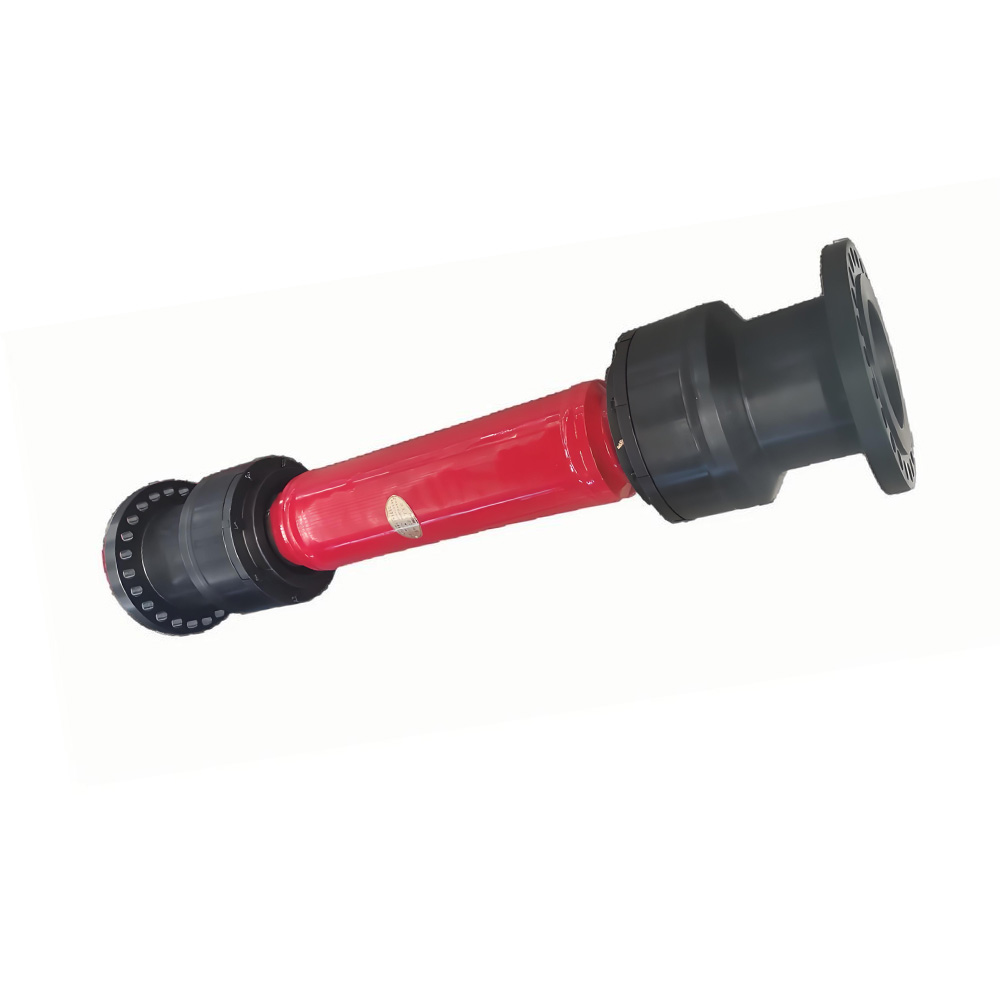
The all cage constant velocity universal joint straight groove type with flange hub is an excellent transmission component that combines innovation an...
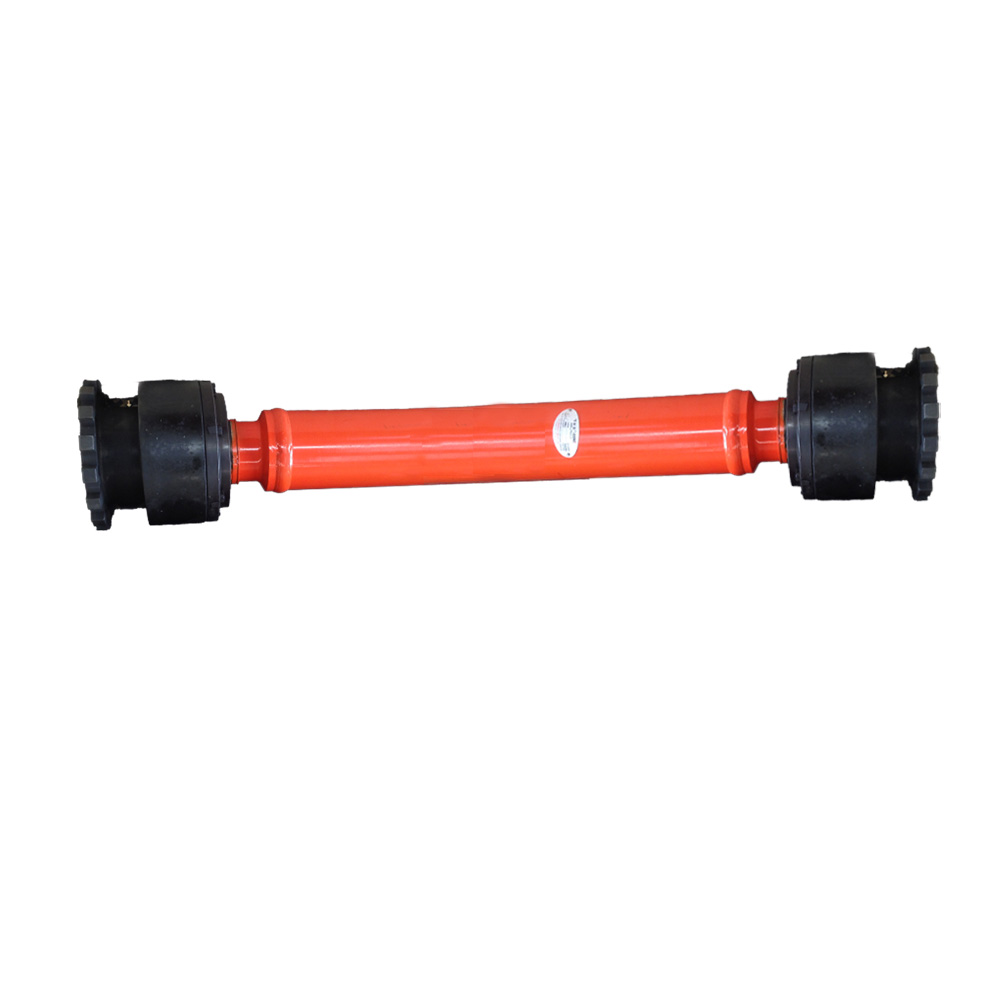
The CV universal joint straight groove type linking with tooth flange hub is an excellent transmission component that combines innovation and practica...
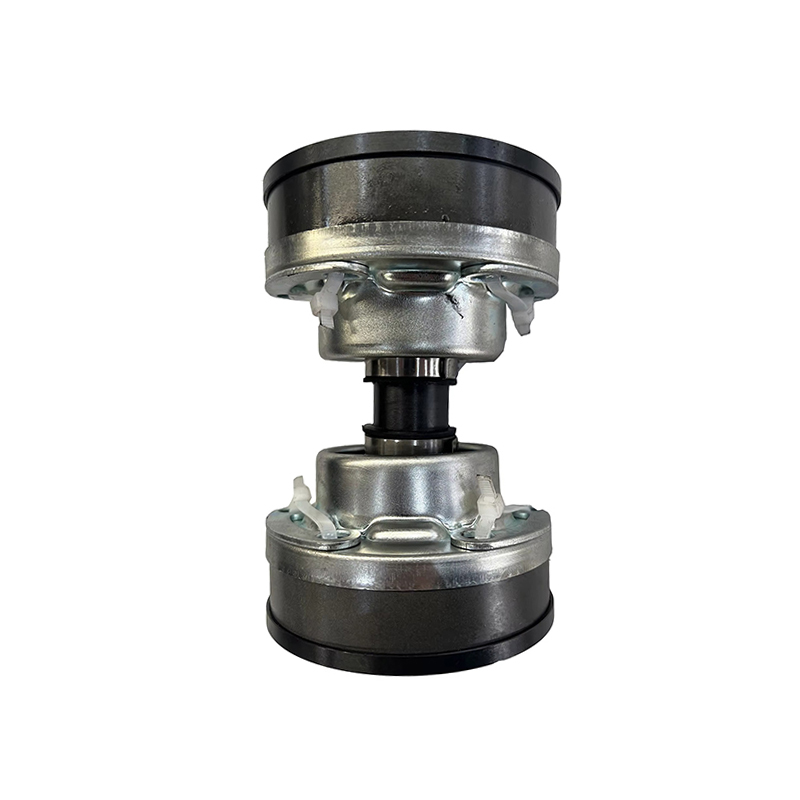
The CV Joint coupling used in vehicle test bench is an advanced mechanical component designed to meet the high-precision and high-speed transmission n...
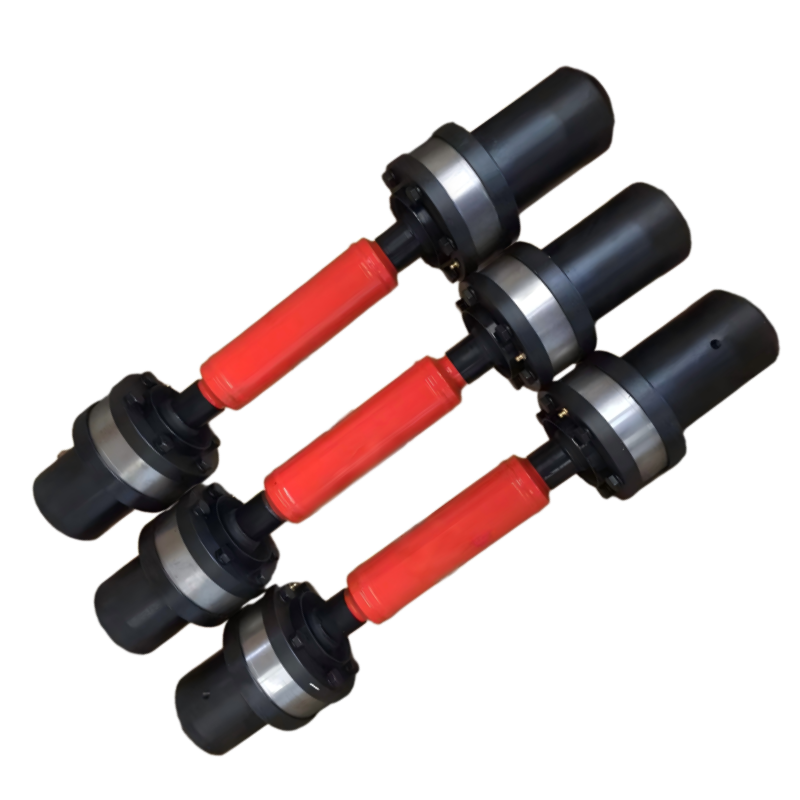
The arc groove ball cage constant speed universal coupling is a precision component that plays a key role in the field of modern industrial transmissi...
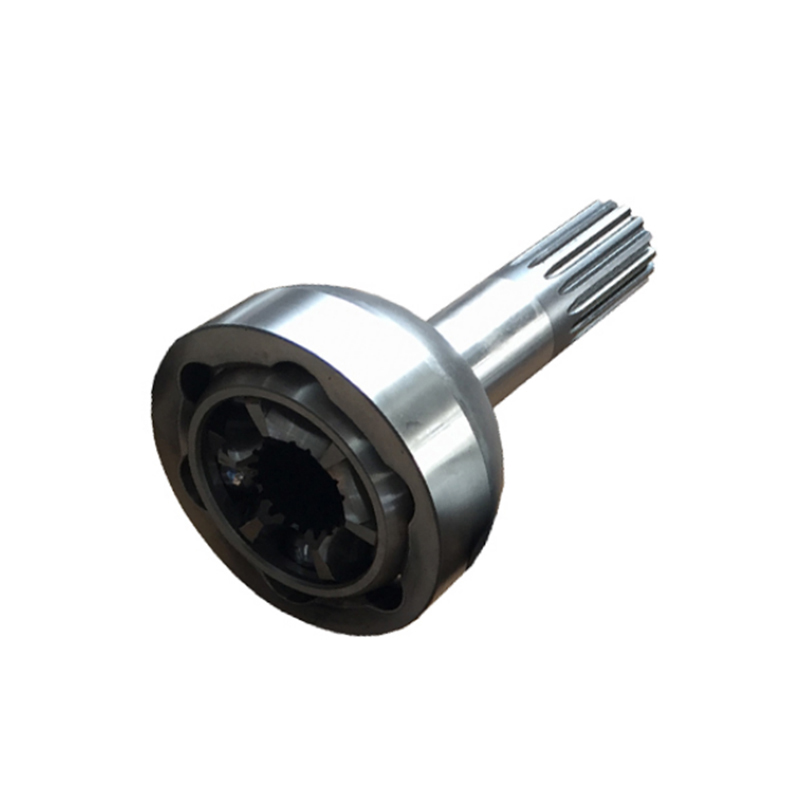
The high-efficiency transmission ball cage CV Universal couplings is a precision transmission component designed for complex working conditions. Its e...
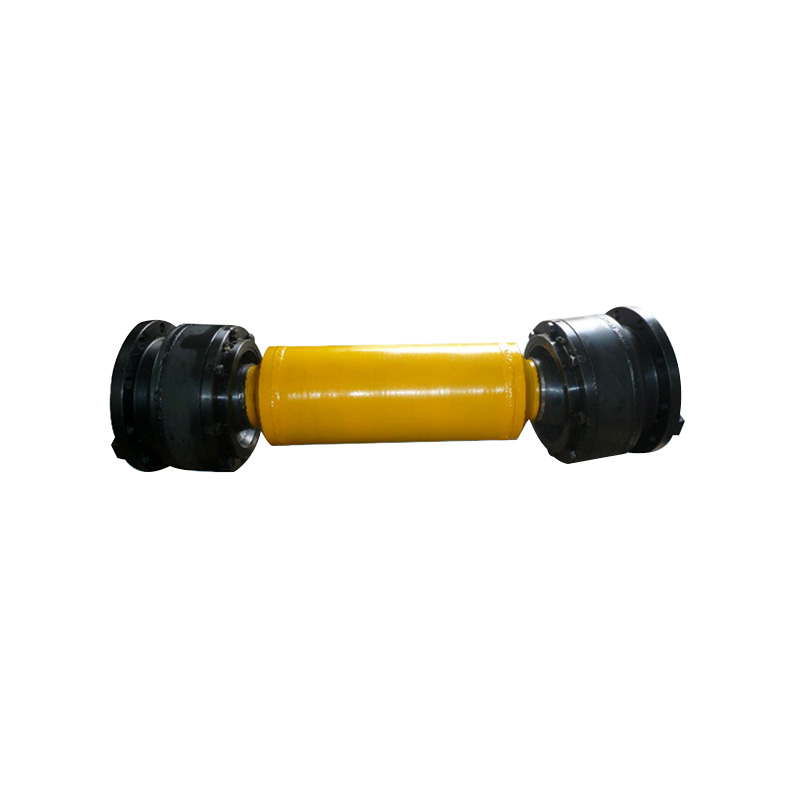
The high-temperature-resistant constant velocity universal couplings is designed for harsh working conditions and is a powerful assistant in the fiel...
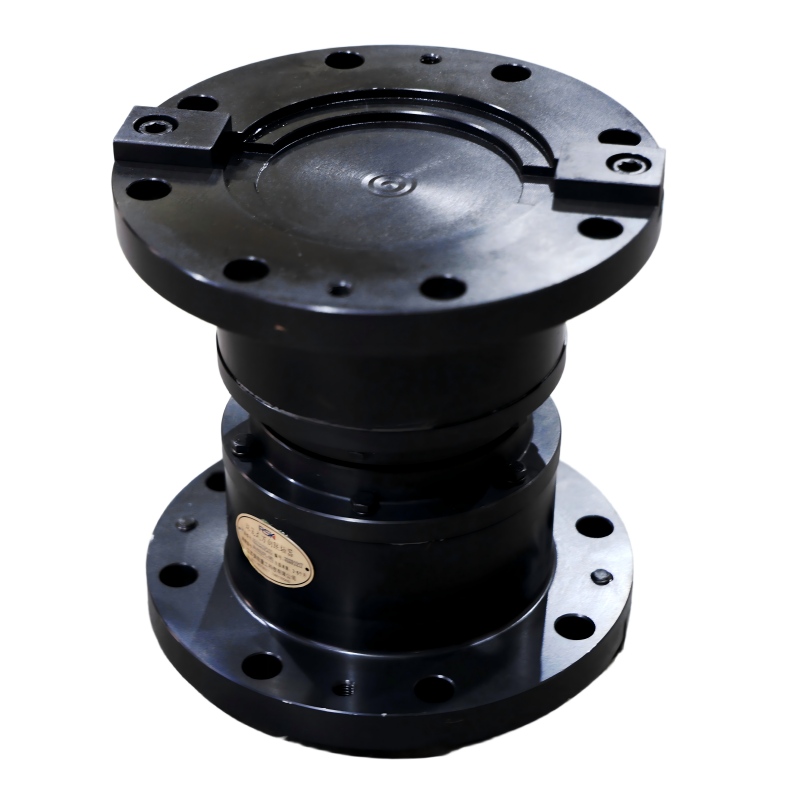
The high-stability Constant Velocity Joint universal couplings is an innovative key component in the field of industrial transmission, designed for po...
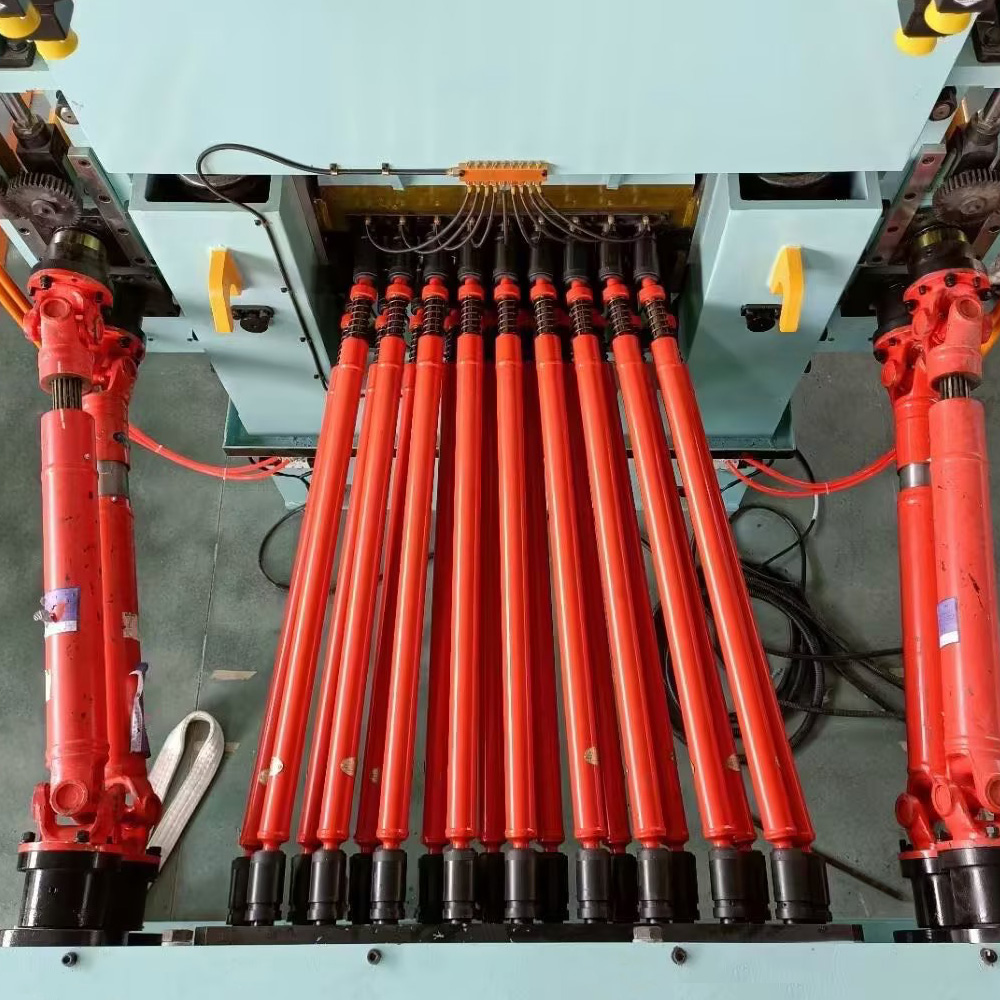
The shock-absorbing Straight Groove Sliding ball cage CV Universal Joint is an advanced transmission component that integrates multiple excellent perf...
Constant Velocity Joints (CVJs) for industrial machines transmit power between angled shafts smoothly, ensuring constant rotational speed and torque delivery, unlike traditional universal joints that cause speed fluctuations. They are crucial in heavy machinery like mining equipment, steel mills, and paper machines to handle varying angles from settling or movement, reducing vibration and wear, and often use sealed designs for harsh, wet, or dusty environments.
Key Functions & Benefits in Industry:
Smooth Power Transmission: Deliver uniform torque and speed, eliminating vibrations from uneven angles.
Angle Compensation: Accommodate changing shaft angles due to machine settling, foundation movement, or component misalignment.
Vibration Reduction:Solve issues inherent in Cardan-style joints, improving equipment longevity.
Harsh Environment Ready: Sealed designs (bellows boots) protect against water, dust, and humidity, allowing use in demanding conditions.
Common Applications:
Mining & Steel Mills: For heavy-duty, high-torque applications.
Paper Machines: Managing driveshafts in large, complex paper production lines.
Food Machinery: Ensuring consistent operation where cleanliness and smooth power are vital.
Printing Machinery: For precise, vibration-free power transfer.
Types for Industry:
Tripod Joints: Common for smaller to medium-sized industrial applications, handling axial (in/out) movement well.
Ball-Type CVJs: Offer flexibility and durability, often found in more robust setups.
What Are Flexible Couplings and Why Are They Essential in Power Transmission? Flexible couplings are mechanical devices that connect two rotating shafts — typically a driver (motor, engine, or turbine) and a driven mach...
READ MOREA chain coupling connects two rotating shafts by linking their sprockets with a short section of roller chain, transmitting torque mechanically while accommodating small amounts of shaft misalignment. For industrial pow...
READ MOREServo Couplings: The Critical Link Between Motor and Load A servo coupling is a mechanical element that connects the output shaft of a servo motor to a driven component — a ball screw, encoder, gear, or load shaft — whi...
READ MOREThe Operational Advantage of Serpentine Spring Couplings A serpentine spring coupling is the optimal solution for high-torque, heavy-duty industrial applications requiring precise alignment compensation and shock absorp...
READ MOREBulk procurement errors often come from sizing by peak torque alone. In industrial drives, what usually limits service life is the combined effect of duty cycle, angle regime, and lubrication stability. A joint that survives a short overload may still fail early if it runs many hours at moderate torque but elevated articulation.
A useful rule for buyers is to define the “most common” angle and torque combination as your baseline, then derate for sustained high-angle operation. Running at higher angles increases internal sliding and heat generation, which accelerates grease breakdown and wear.
In steel mills, mining conveyors, and paper lines, CV joints often run “fine” until grease shears down or boots leak, after which wear accelerates rapidly. The wear drivers are coupled: articulation angle increases sliding velocity; speed increases friction cycles; and heat reduces lubricant film strength.
If you cannot reduce the running angle, prioritize a joint design and grease package proven for sustained articulation. In our experience supporting export lines across harsh environments, that single decision reduces maintenance interventions more than any other sizing shortcut.
For Constant Velocity Joints, grease is not just lubrication; it is also a thermal manager and contamination buffer. Industrial buyers sometimes request “extra fill,” but overfilling can increase churning losses and heat, especially at higher RPM or sustained articulation angles.
If you standardize one grease across many lines, confirm it under your worst-case combination of angle, speed, and ambient temperature. Grease that survives static load may still fail under high-angle cyclic shear.
Bulk buyers often focus on unit price while under-specifying acceptance criteria. Clear, testable criteria reduce the total cost of ownership by preventing inconsistent lots from entering service. The most effective criteria are those tied to function: torque capability, articulation smoothness, sealing integrity, and dimensional consistency.
| Category | Check | Why It Matters |
|---|---|---|
| Dimensional | Key fits, spline dimensions, flange PCD/runout | Prevents assembly rework and interface fretting |
| Functional | Articulation smoothness across angle range | Reduces vibration and heat at operating angles |
| Sealing | Boot clamp retention, leakage/pressure hold checks | Controls contamination ingress and grease loss |
| Material/Heat Treat | Hardness and case depth on load paths | Improves fatigue life and wear resistance |
| Dynamic | Temperature rise under load, balance if required | Stabilizes performance across lots |
Because we operate a one-stop set of processing facilities and quality systems (measurement, physical/chemical, and dynamic testing), we can align these checks with your internal QA flow. For international buyers, consistent acceptance criteria is the fastest way to reduce cross-region maintenance variance.
Harsh environments do not just “wear parts faster”—they change the failure mode. Water causes corrosion and emulsifies grease; abrasive dust converts sliding contacts into lapping surfaces; humidity accelerates boot aging. Industrial CVJs survive by controlling ingress and maintaining lubricant film strength.
For bulk shipments to diverse regions (Europe, America, Russia, Middle East, India), environmental variance is real. We typically recommend defining “environment classes” and matching sealing/grease packages accordingly, rather than forcing one configuration everywhere.
CVJ retrofits are common where vibration, noise, or premature bearing wear are traced to torsional speed fluctuation in U-joint drives. However, the retrofit should be treated as a system change: supports, bearings, and couplings may see different loads once the fluctuation is removed.
A well-planned retrofit typically converts “periodic vibration issues” into predictable wear intervals. When buyers share duty cycle and angle profiles early, we can match design details and testing to prevent surprises at scale.
Get in Touch
Your email address will not be published. Required fields are marked *
Have a project in mind? Contact with us!
We are happy to answer your questions. Please fill out this form and one of our professional team will get back to you as soon as possible.

A professional manufacturer specializing in the production of various types of couplings! Constant Velocity Joints Manufacturers in China.

