






 English
 русский
RSK-CPFJC High rigidity Aluminum Alloy Jaw Spider coupling Clamping type Customization
Our High rigidity Aluminum Alloy Jaw Spider coupling is a transmission product that combines innovative technology and excellent craftsmanship. Its m...
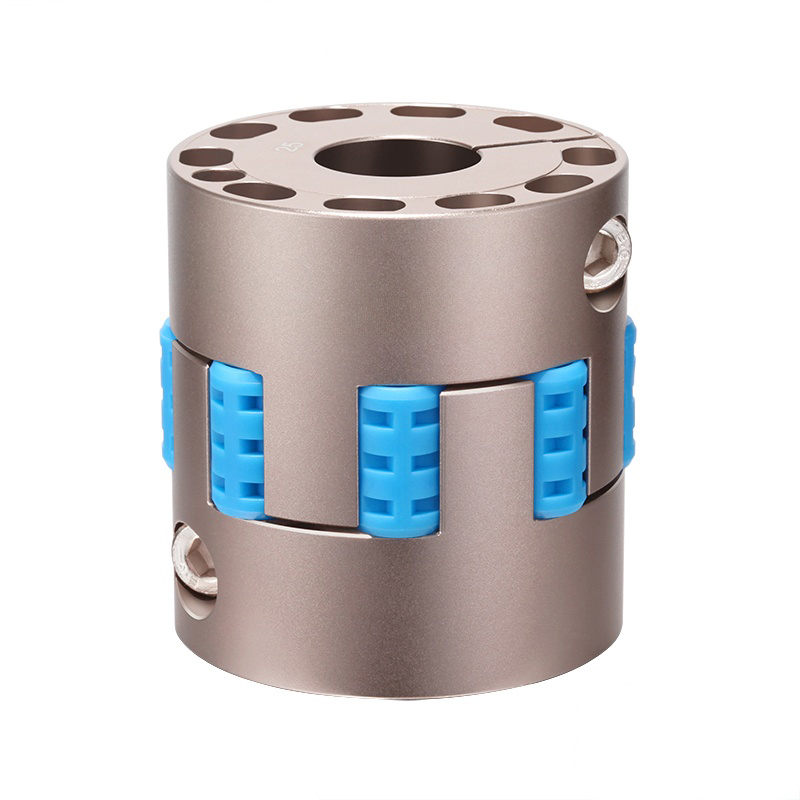
Our High rigidity Aluminum Alloy Jaw Spider coupling is a transmission product that combines innovative technology and excellent craftsmanship. Its m...
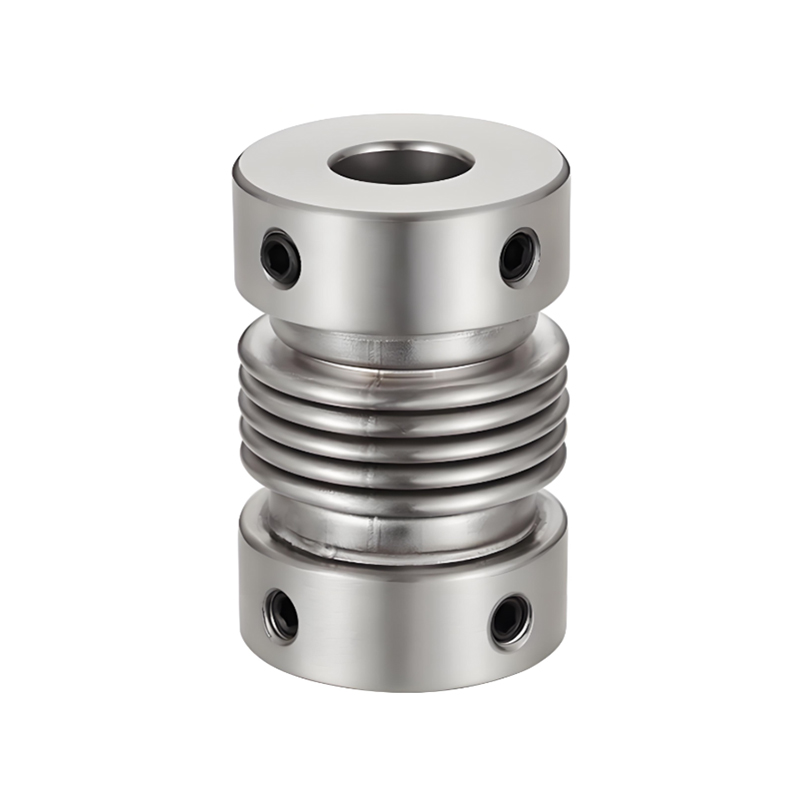
The coupling is mainly composed of two high-strength stainless steel hubs and a thin-walled stainless steel bellows in the middle. The unique bellows ...
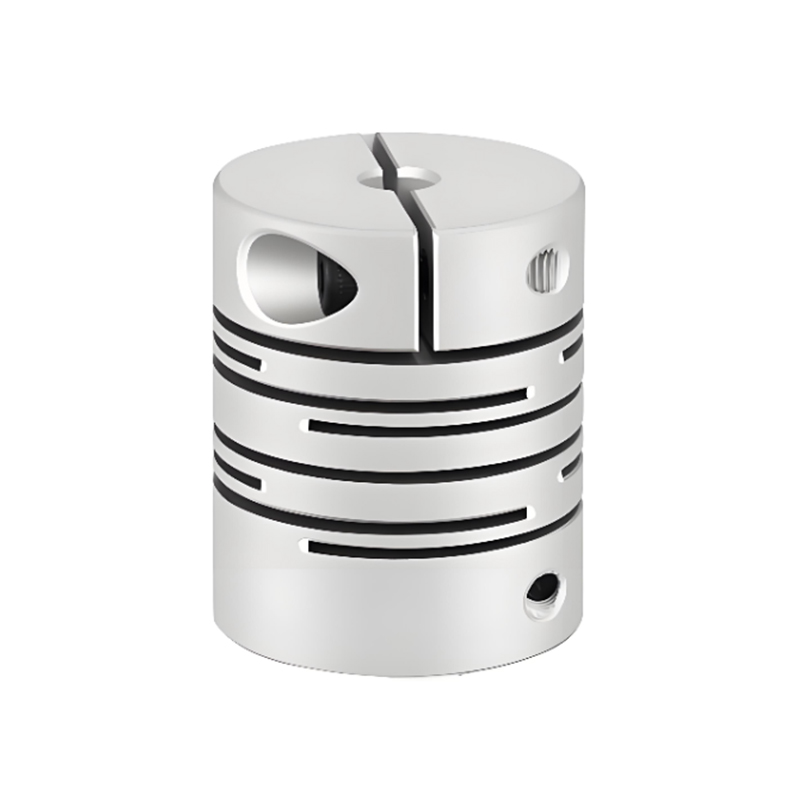
A parallel line coupling is a functional component designed to address misalignment in parallel shaft transmissions. When selecting a model, it is ess...
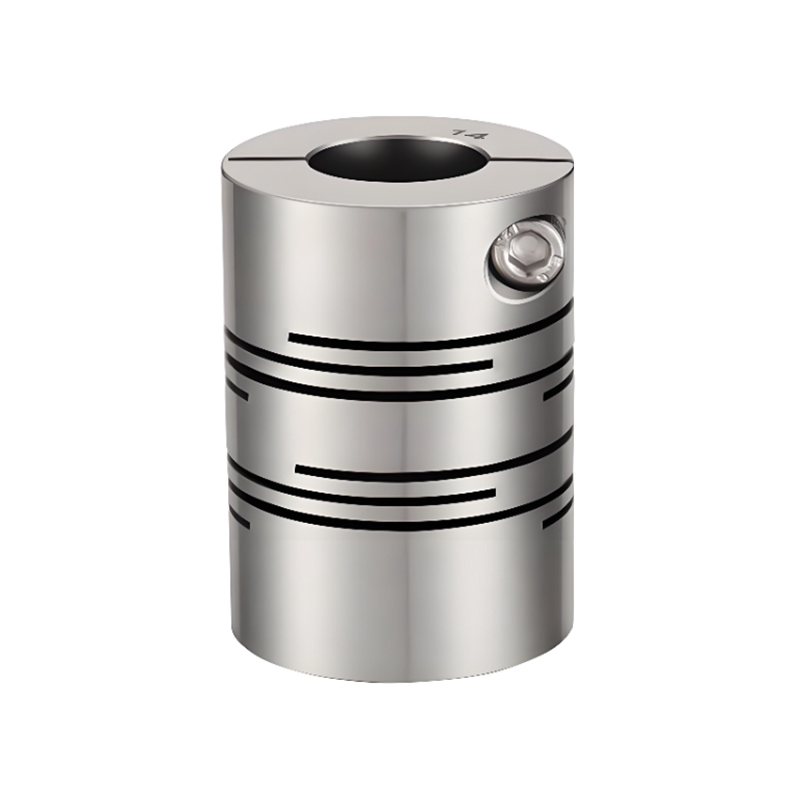
A parallel line coupling is a functional component designed to address misalignment in parallel shaft transmissions. When selecting a model, it is ess...
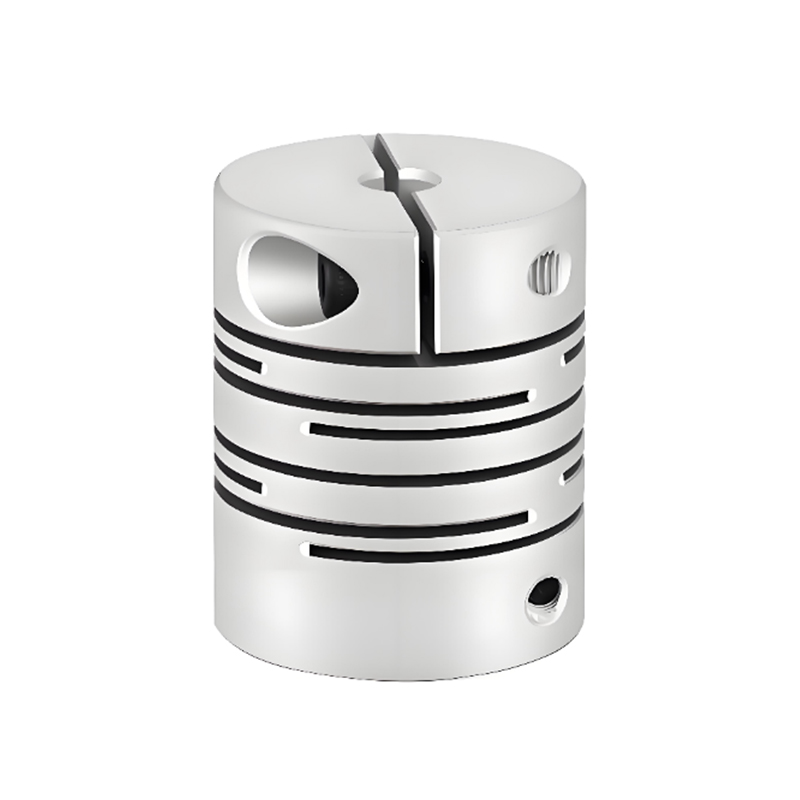
A parallel line coupling is a functional component designed to address misalignment in parallel shaft transmissions. When selecting a model, it is ess...
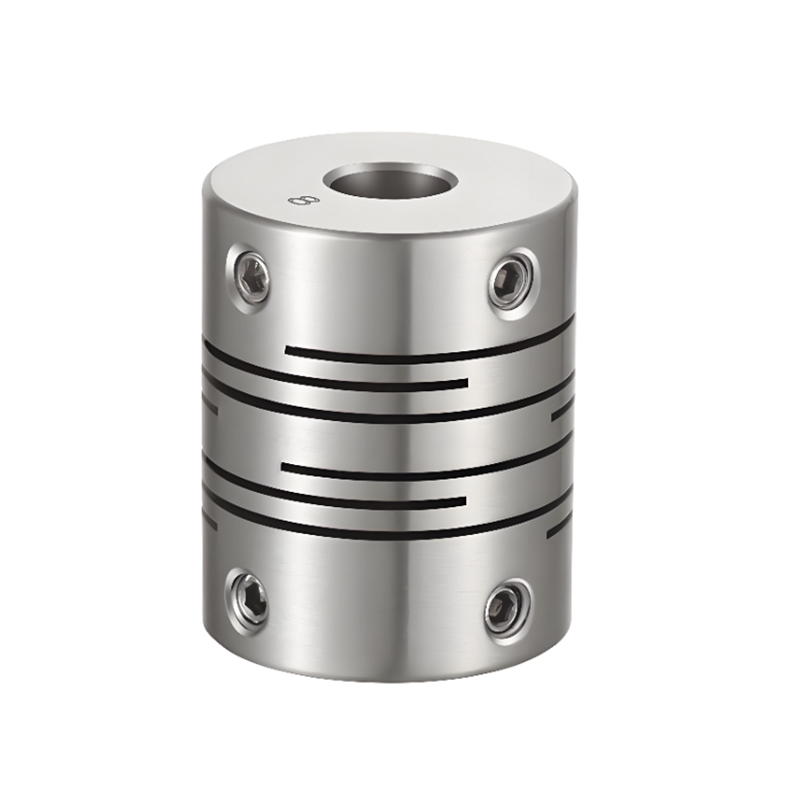
A parallel line coupling is a functional component designed to address misalignment in parallel shaft transmissions. When selecting a model, it is ess...
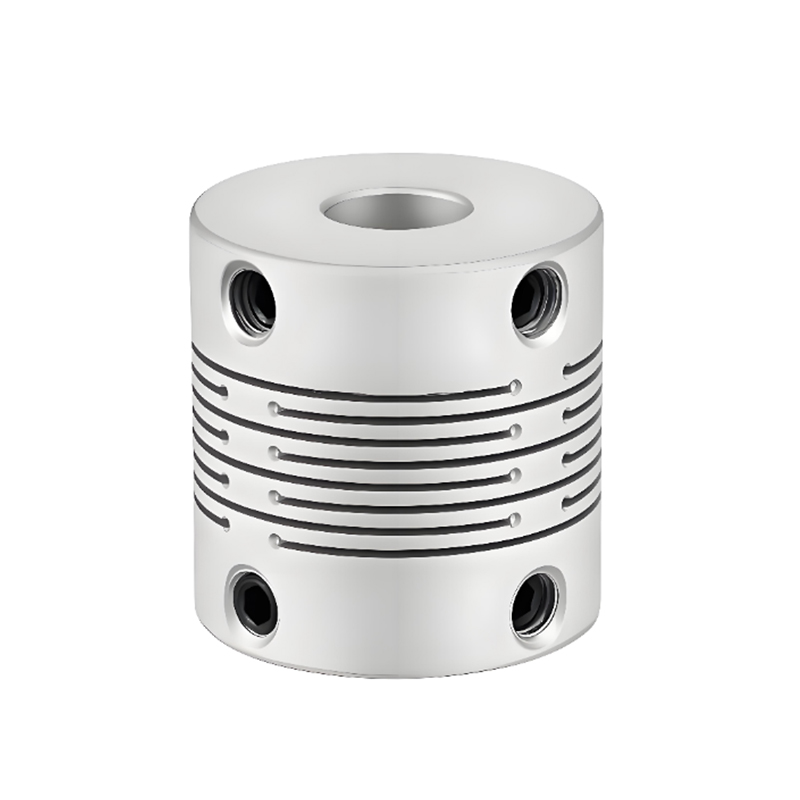
A parallel line coupling is a functional component designed to address misalignment in parallel shaft transmissions. When selecting a model, it is ess...
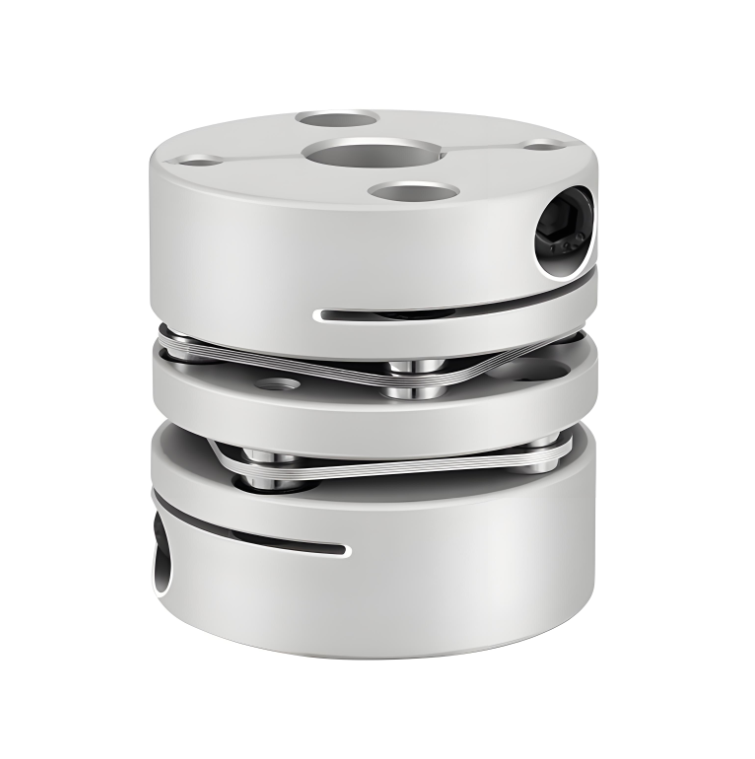
The aluminum alloy stepped double diaphragm coupling is a high-performance transmission component that combines advanced design and high-quality mater...
A servo coupling connects a servo motor to a machine component, transmitting torque with high precision, zero backlash, and torsional stiffness, while also compensating for shaft misalignment, crucial for accurate automation (robotics, CNC) by ensuring smooth, reliable motion control in dynamic, high-speed systems. Key types include metal bellows, disc, and elastomer couplings, each offering unique benefits like extreme stiffness or damping, designed to minimize inertia and vibration for optimal system performance.
Core Functions & Properties
Torque Transmission: Connects the motor to a driven part (like a ball screw or gear) to transfer rotational power.
Zero-Backlash: Eliminates play in the connection, ensuring precise command-to-motion translation, vital for high accuracy.
Torsional Stiffness: Resists twisting, maintaining accuracy and response in dynamic systems.
Misalignment Compensation: Accommodates slight shaft angular, parallel, or axial shifts without damaging components.
Low Moment of Inertia: Lightweight design allows for quick acceleration and deceleration in high-speed applications.
Common Types & Examples
Bellows Couplings: Use thin, flexible metal bellows for high torsional stiffness and zero backlash, ideal for precision drives.
Disc Couplings: Transmit torque through thin metal discs, offering high stiffness with low inertia, but can be delicate.
Elastomer/Spider Couplings: Use a flexible polyurethane element (spider) for damping vibrations and handling misalignment, offering a cost-effective alternative.
Oldham Couplings: Feature a central sliding disc, providing zero backlash and accommodating significant parallel misalignment, often used in stepper systems.
Where They're Used
Robotics & Automation: For precise positioning and smooth movement.
Machine Tools (CNC): In high-dynamic feed drives.
Semiconductor Manufacturing: For exact positioning of components.
Packaging Machinery: For accurate, repeatable motions.
The Operational Advantage of Serpentine Spring Couplings A serpentine spring coupling is the optimal solution for high-torque, heavy-duty industrial applications requiring precise alignment compensation and shock absorp...
READ MOREThe Core Purpose of Flexible Couplings Flexible couplings are mechanical devices designed to transmit torque between two shafts while accommodating misalignment and reducing vibration. Their immediate benefit is operati...
READ MOREWhat Flexible Couplings Do and Why They Matter Flexible couplings connect two rotating shafts while allowing controlled misalignment, vibration damping, and shock absorption. Their primary value is protecting equipment:...
READ MOREIntroduction to Gear Couplings Gear couplings are critical components in mechanical power transmission systems. They are designed to transmit torque and rotational motion between two shafts while accommodating angular mi...
READ MOREServo couplings are key mechanical components used to connect servo motors with driven elements such as ball screws, lead screws, gearboxes, or rotary tables. In automation and precision machinery, servo motor couplings play a direct role in converting control commands into accurate mechanical motion. Their design focuses on zero backlash, high torsional stiffness, and low inertia to support fast response and stable positioning.
As automation systems continue to operate at higher speeds with tighter accuracy requirements, the performance of the servo coupling increasingly affects overall system efficiency, repeatability, and service life.
A servo motor coupling transfers torque from the motor shaft to the driven component while maintaining precise angular synchronization. Any lost motion or elastic delay in this connection can reduce positioning accuracy, especially in closed-loop control systems.
Servo couplings are therefore engineered to provide a rigid yet flexible connection. They transmit torque efficiently while compensating for small shaft misalignments caused by installation tolerances, thermal expansion, or structural deflection.
Zero backlash is a defining requirement for servo couplings. Backlash introduces delay between motor rotation and driven motion, which can lead to positioning errors, vibration, and control instability.
By eliminating mechanical play through preloaded or elastic transmission elements, servo motor couplings allow direct and predictable response to control signals. This characteristic is essential in CNC machines, robotic joints, and semiconductor equipment where micron-level accuracy is required.
Torsional stiffness defines how much a coupling twists under load. In servo-driven systems, higher torsional stiffness improves dynamic response and helps maintain control accuracy during rapid acceleration and deceleration.
Different servo coupling designs offer varying stiffness levels, allowing engineers to balance rigidity with vibration behavior. Proper selection helps avoid resonance while maintaining smooth and stable motion throughout the operating speed range.
Even in precision assemblies, perfect shaft alignment is difficult to achieve. Servo couplings are designed to absorb limited angular, parallel, and axial misalignment without transferring excessive forces to motor bearings or driven components.
This controlled flexibility improves system durability while preserving positioning accuracy and repeatability.
Low inertia is another critical property of servo motor couplings. Lightweight construction reduces the load reflected to the motor, enabling faster acceleration, deceleration, and direction changes.
In high-speed automation and robotics, minimizing rotational mass directly improves cycle times and energy efficiency while supporting precise control under dynamic conditions.
Different servo applications require different coupling characteristics. Several servo coupling types are commonly used based on stiffness, damping, and misalignment needs.
Servo couplings are widely used in industries that rely on accurate and repeatable motion. Their performance directly affects product quality and process stability.
The performance of servo couplings depends heavily on machining accuracy, material selection, and quality control. Tight tolerances and consistent mechanical properties are required to achieve zero backlash and stable stiffness.
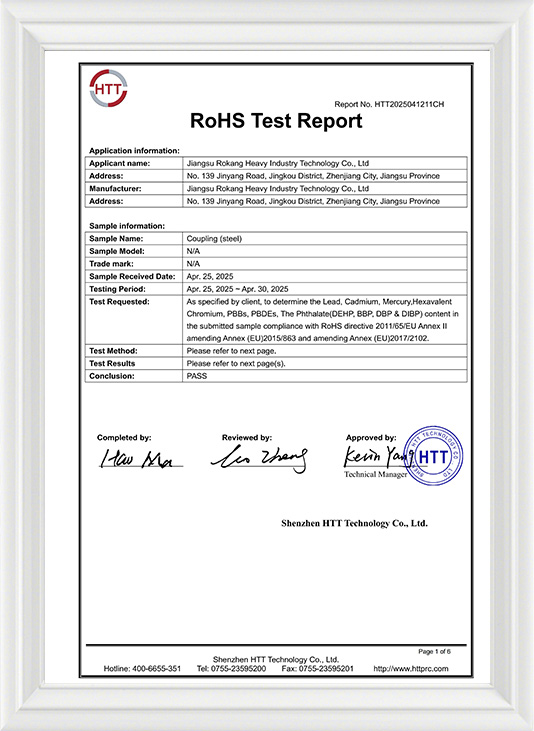
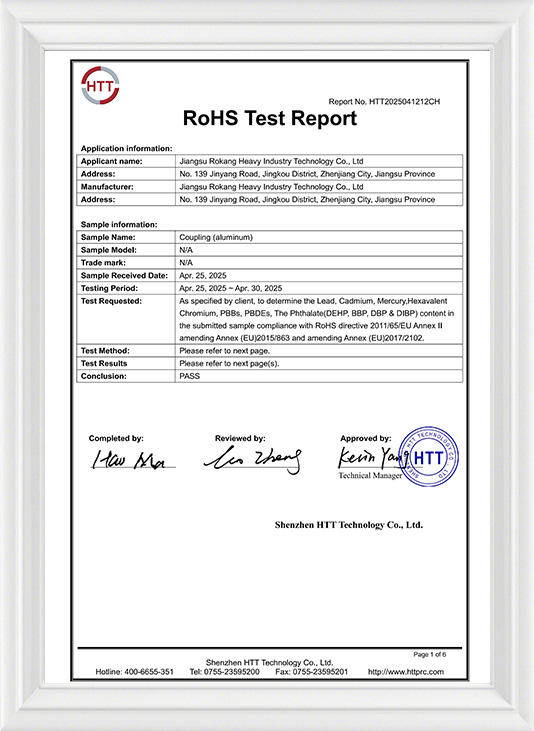
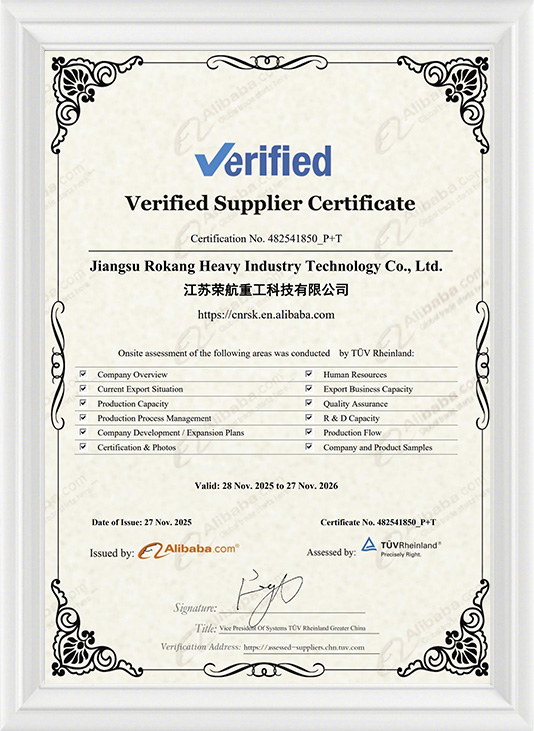
With long-term experience in power transmission and coupling technologies, Jiangsu Rokang Heavy Industry Technology Co., Ltd. applies its precision manufacturing and engineering expertise to develop servo coupling solutions suitable for high-accuracy automation and industrial motion control systems.
Servo couplings and servo motor couplings are fundamental components in precision automation. Through zero backlash, controlled torsional stiffness, misalignment compensation, and low inertia, they enable accurate, responsive, and reliable motion control. As automation systems continue to advance, well-designed servo couplings remain essential for achieving high performance and long-term operational stability.
Get in Touch
Your email address will not be published. Required fields are marked *
Have a project in mind? Contact with us!
We are happy to answer your questions. Please fill out this form and one of our professional team will get back to you as soon as possible.

A professional manufacturer specializing in the production of various types of couplings! Servo Couplings Manufacturers in China.

