






 English
 русский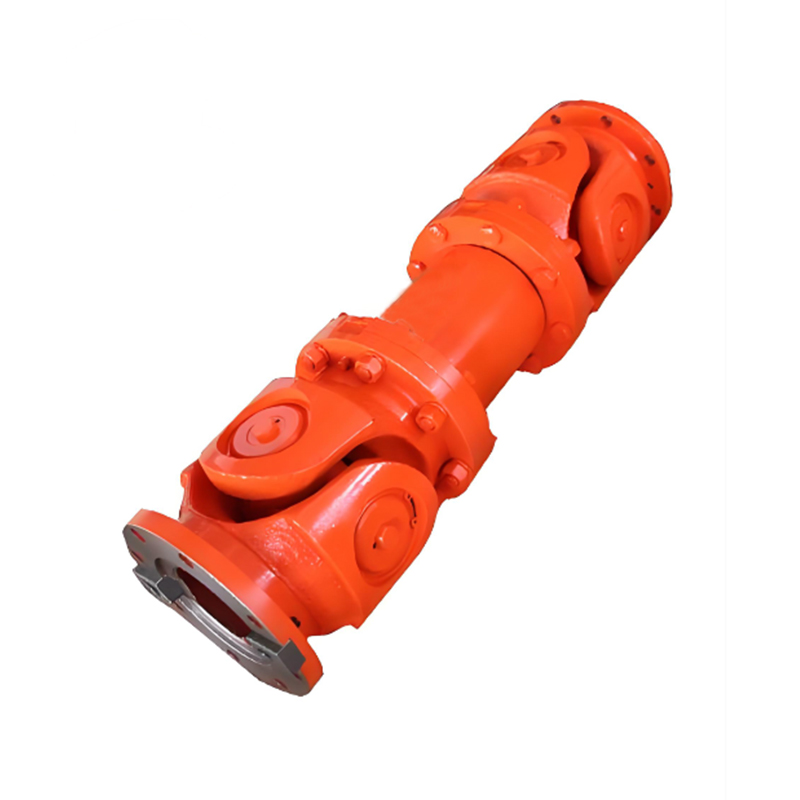
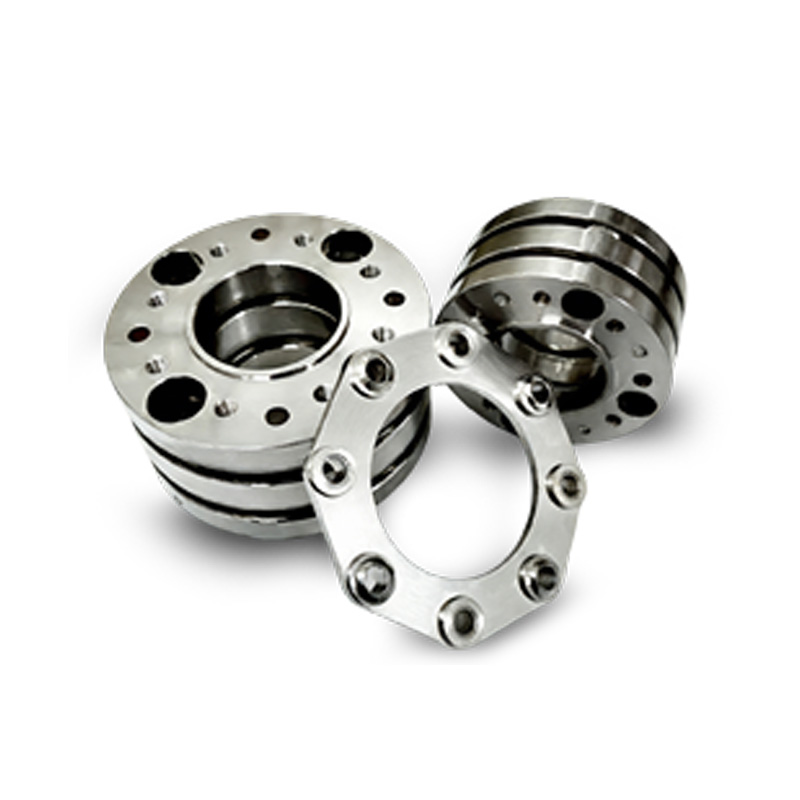
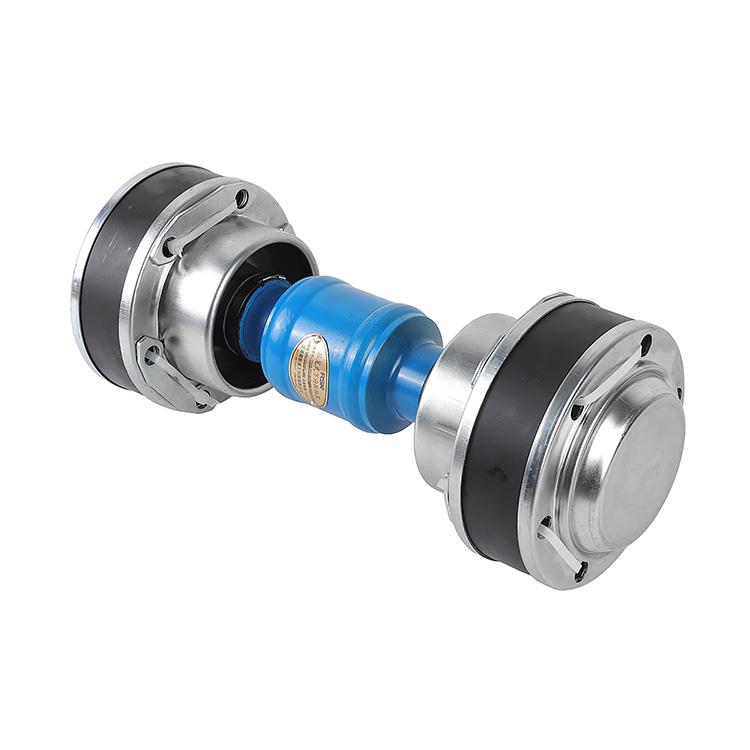
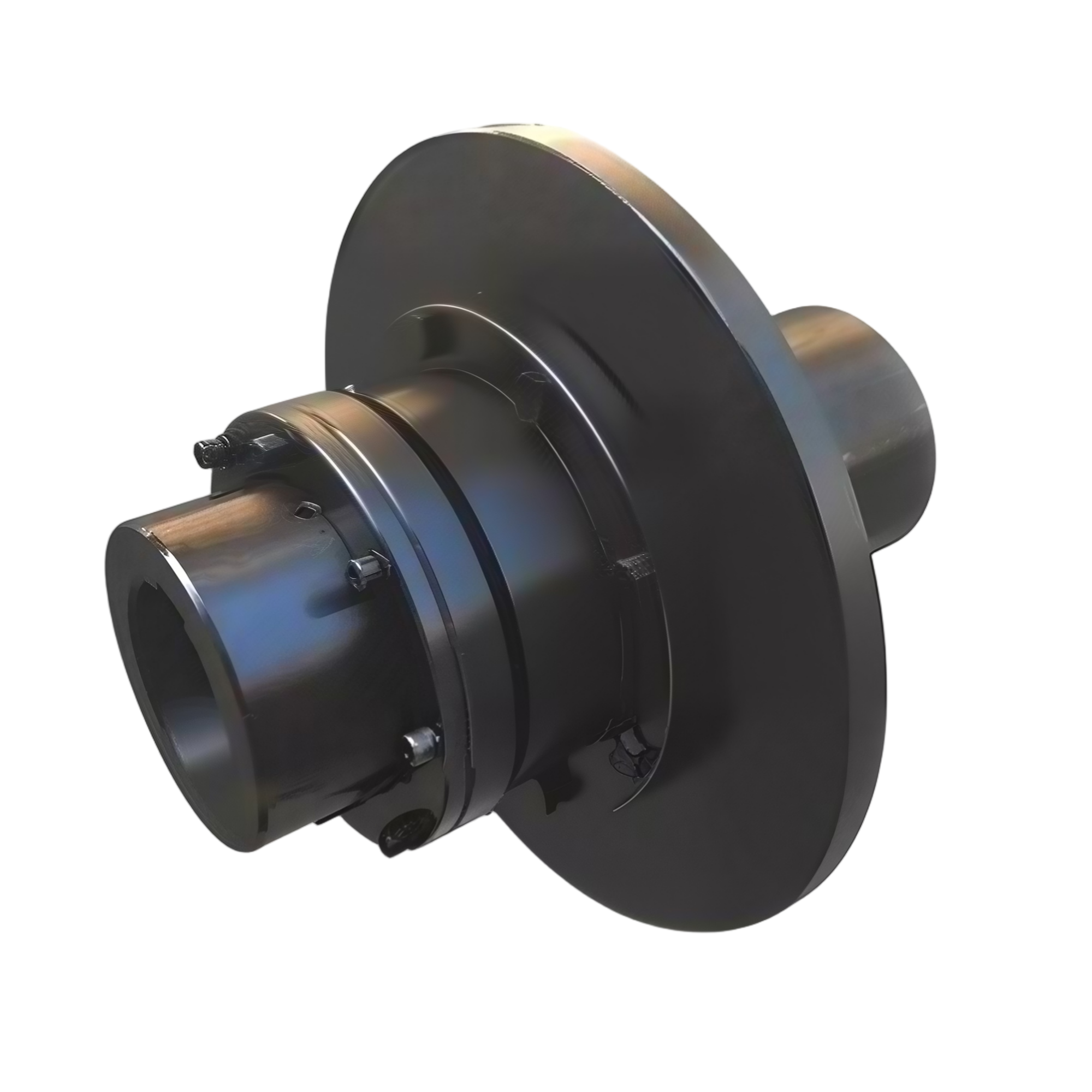
RSK-GICL Drum Gear Coupling Wide Type High load capacity and torque transmission
I. Core Structural Features Drum-shaped tooth design: This is its most distinctive feature. The tooth tips and flanks of the external gear sleeve ar...
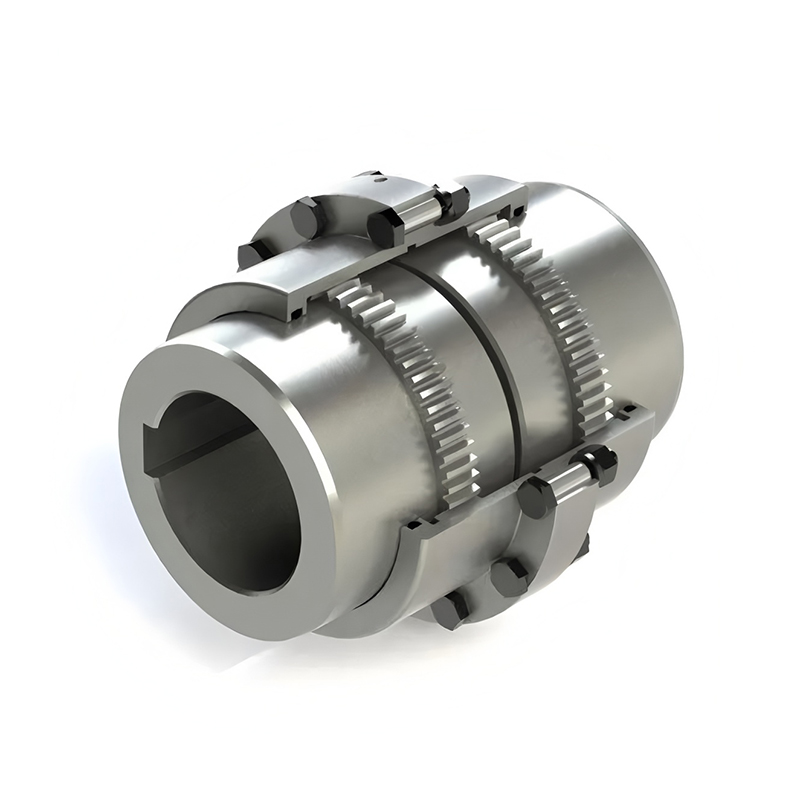
I. Core Structural Features Drum-shaped tooth design: This is its most distinctive feature. The tooth tips and flanks of the external gear sleeve ar...
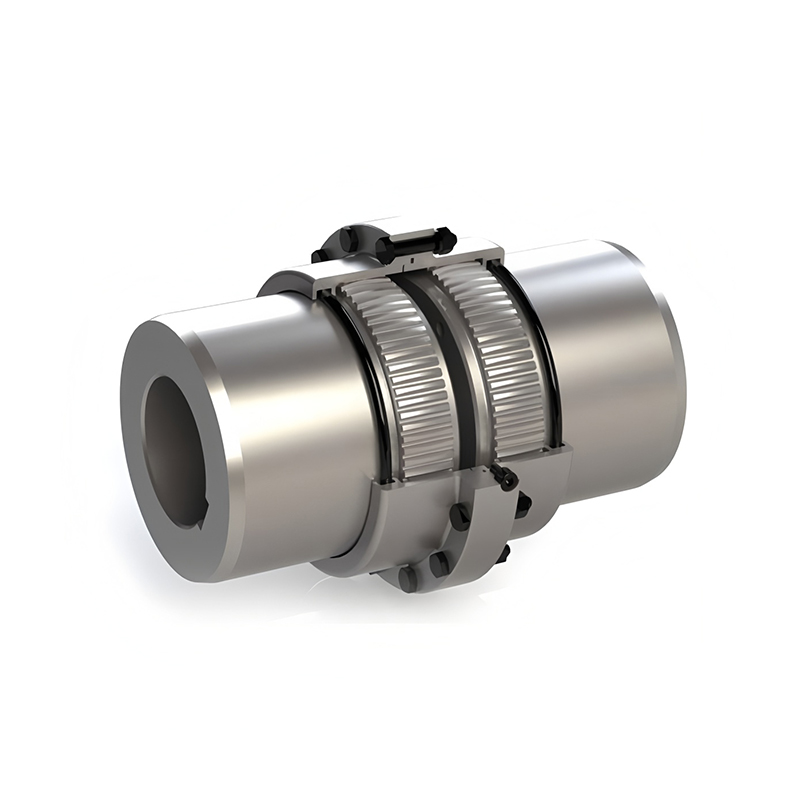
I. Core Advantages (Compared to Spur Gear Couplings) Excellent Angular and Radial Misalignment Compensation Barreled Design: The outer edges o...
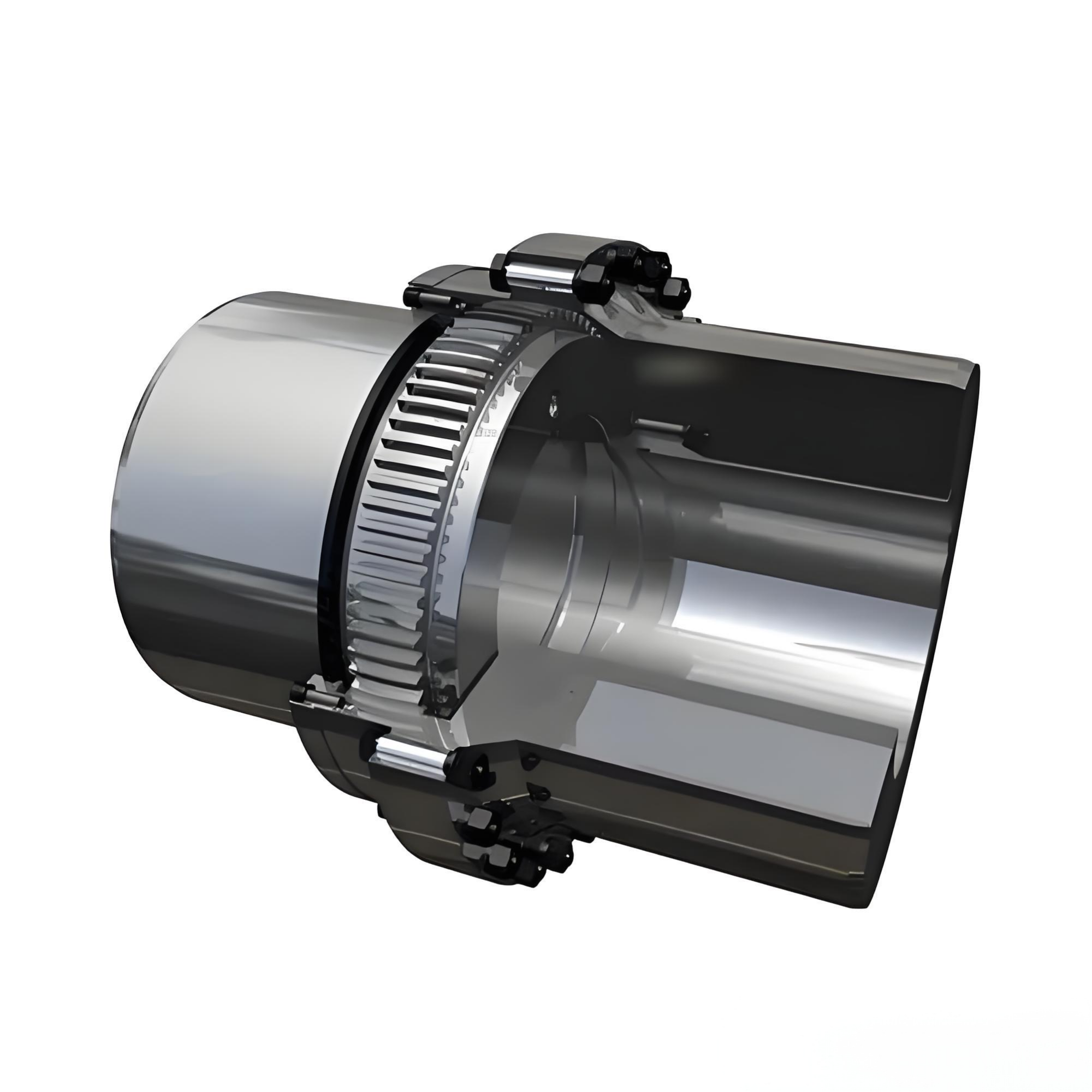
I. Core Advantages (Compared to Spur Gear Couplings) Excellent Angular and Radial Misalignment Compensation Barreled Design: The outer edges o...
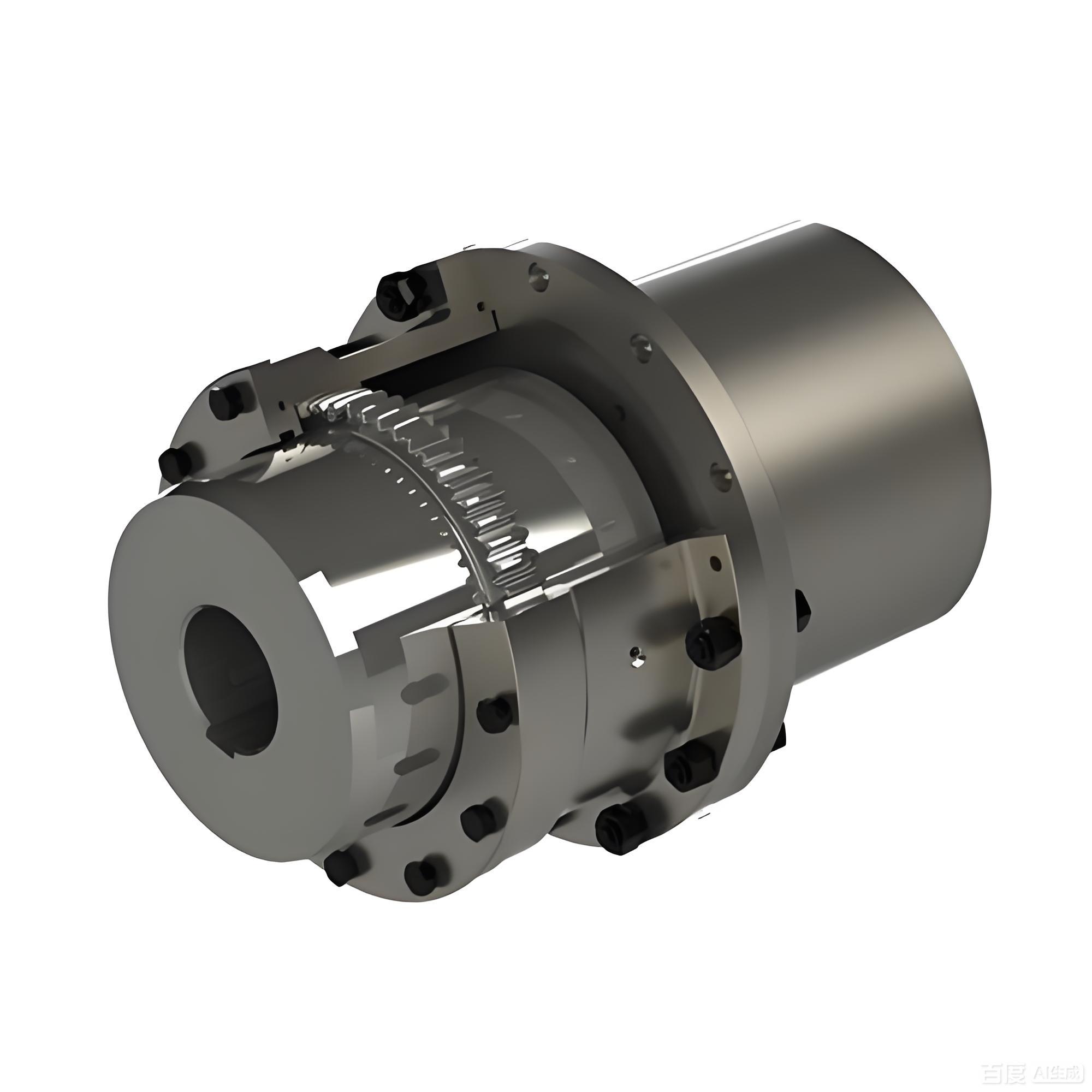
I. Core Advantages (Compared to Spur Gear Couplings) Excellent Angular and Radial Misalignment Compensation Barreled Design: The outer edges o...
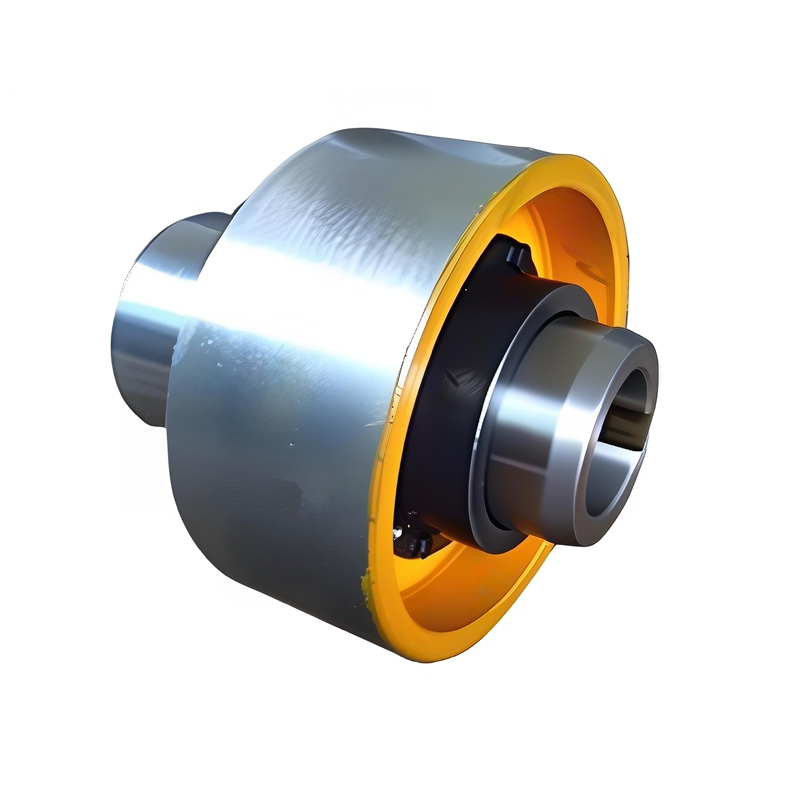
A gear coupling is a high-torque mechanical connector for non-collinear shafts, using internal/external gear teeth in sleeves to transmit power wh...
A gear coupling is a high-torque mechanical connector for non-collinear shafts, using internal/external gear teeth in sleeves to transmit power wh...
A gear coupling is a high-torque mechanical connector for non-collinear shafts, using internal/external gear teeth in sleeves to transmit power wh...
A gear coupling is a high-torque mechanical connector for non-collinear shafts, using internal/external gear teeth in sleeves to transmit power wh...
A gear coupling is a high-torque mechanical connector for non-collinear shafts, using internal/external gear teeth in sleeves to transmit power wh...
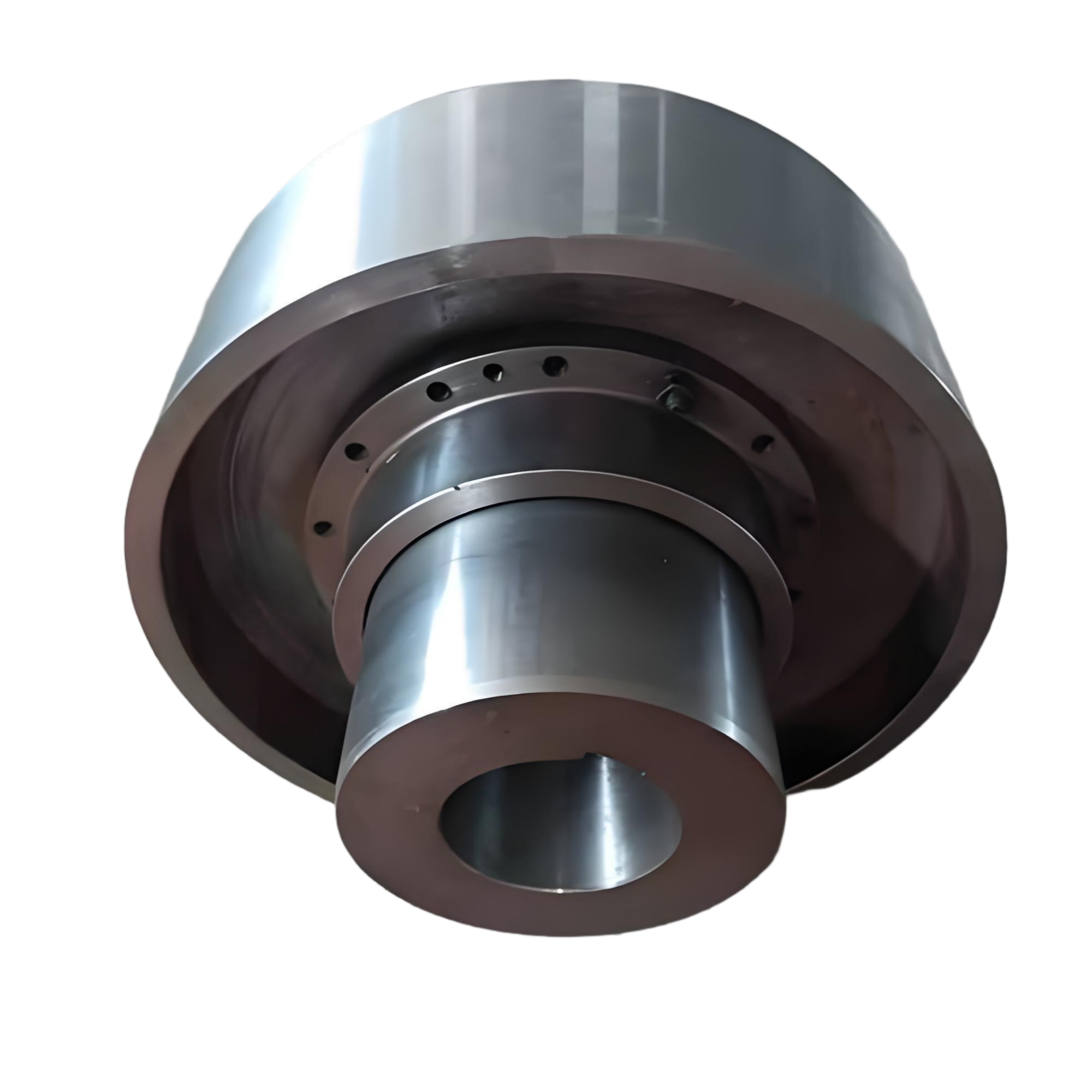
A gear coupling is a high-torque mechanical connector for non-collinear shafts, using internal/external gear teeth in sleeves to transmit power wh...
A gear coupling is a high-torque mechanical connector for non-collinear shafts, using internal/external gear teeth in sleeves to transmit power while compensating for angular, radial, and axial misalignment, making it ideal for heavy industrial uses like steel mills, pumps, and conveyors where high power density and reliability are crucial, though it requires proper lubrication and maintenance for longevity.
How it works
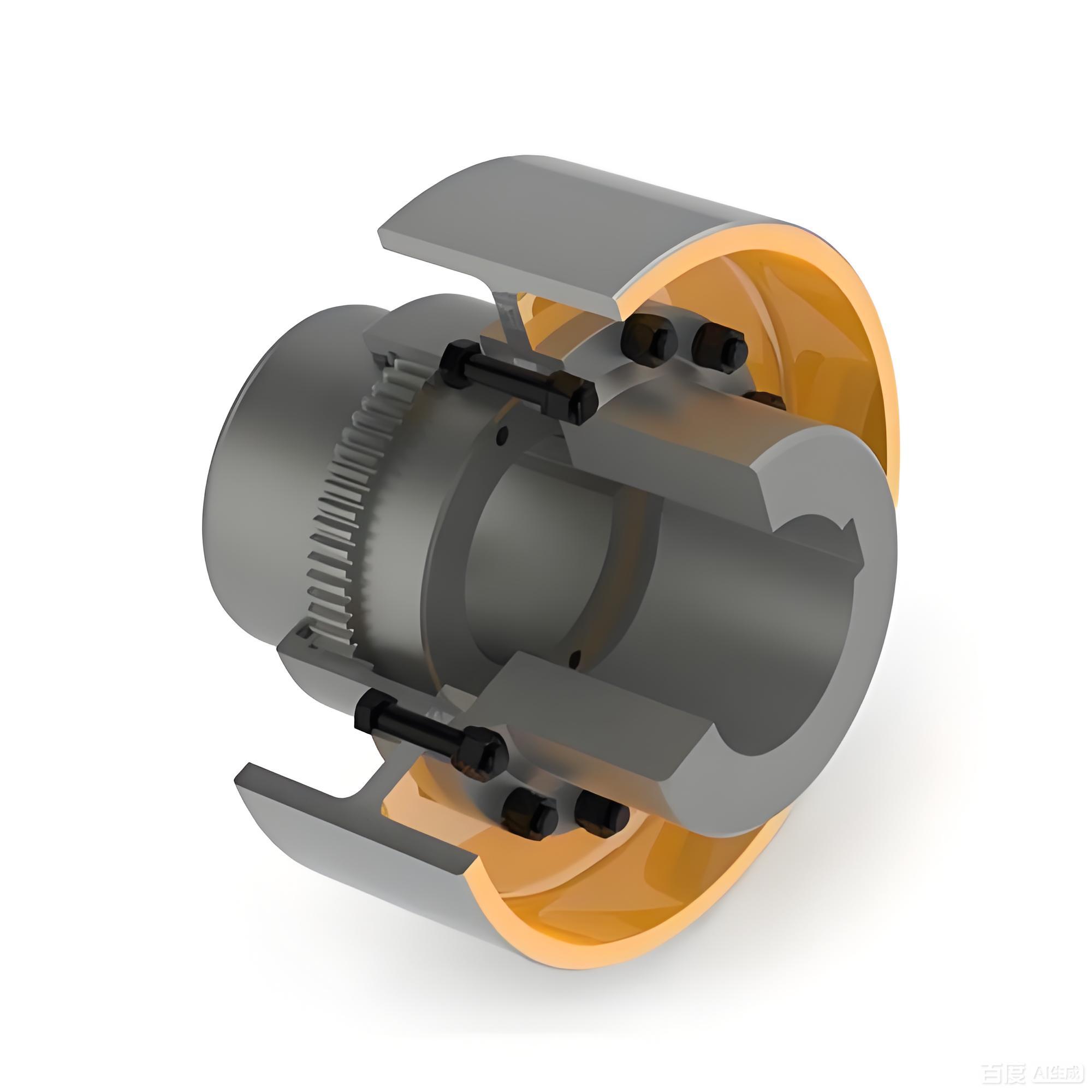
Components: Two hubs (with external gear teeth) attach to each shaft, connected by sleeves (with internal gear teeth).
Misalignment Compensation: The gear teeth allow for movement, flexing to handle angular (side-to-side), radial (offset), and axial (end-to-end) misalignment between shafts.
Torque Transmission: High surface contact between the crowned gear teeth provides efficient, high-torque power transfer with exceptional torsional stiffness.
Key Features & Benefits
High Torque: Capable of handling very high torque loads.
Compact: Offers a high power-to-weight ratio, fitting into tight spaces.
Reliable: Provides long service life with proper lubrication.
Versatile: Available in various configurations (single/double engagement, rigid/flexible halves) for different needs.
Applications
Roll drives (steel, paper industries)
Pumps, fans, conveyors
Power generation equipment
Maintenance
Requires periodic lubrication (grease) to protect the gear teeth.
Proper alignment during installation is critical for reliability and longevity.
What Are Flexible Couplings and Why Are They Essential in Power Transmission? Flexible couplings are mechanical devices that connect two rotating shafts — typically a driver (motor, engine, or turbine) and a driven mach...
READ MOREA chain coupling connects two rotating shafts by linking their sprockets with a short section of roller chain, transmitting torque mechanically while accommodating small amounts of shaft misalignment. For industrial pow...
READ MOREServo Couplings: The Critical Link Between Motor and Load A servo coupling is a mechanical element that connects the output shaft of a servo motor to a driven component — a ball screw, encoder, gear, or load shaft — whi...
READ MOREThe Operational Advantage of Serpentine Spring Couplings A serpentine spring coupling is the optimal solution for high-torque, heavy-duty industrial applications requiring precise alignment compensation and shock absorp...
READ MOREGear couplings are widely used mechanical connectors designed for transmitting high torque between rotating shafts that are not perfectly aligned. By utilizing the engagement between external gear teeth on hubs and internal gear teeth within sleeves, gear couplings achieve stable torque transfer while allowing controlled movement between shafts. This structural principle makes them suitable for industrial environments where load fluctuation, shaft deflection, and installation tolerances are common.
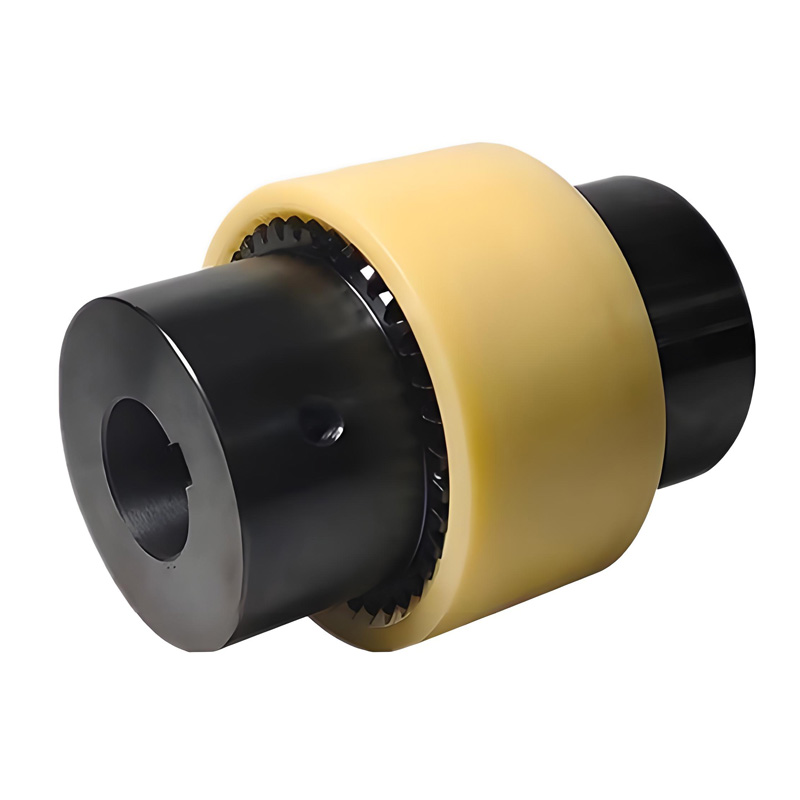
Compared with elastic or rubber-based couplings, gear couplings focus on mechanical strength and torsional rigidity. Their compact structure supports high power density, which is often required in metallurgical equipment, heavy conveyors, rolling mills, and large-scale pumps.
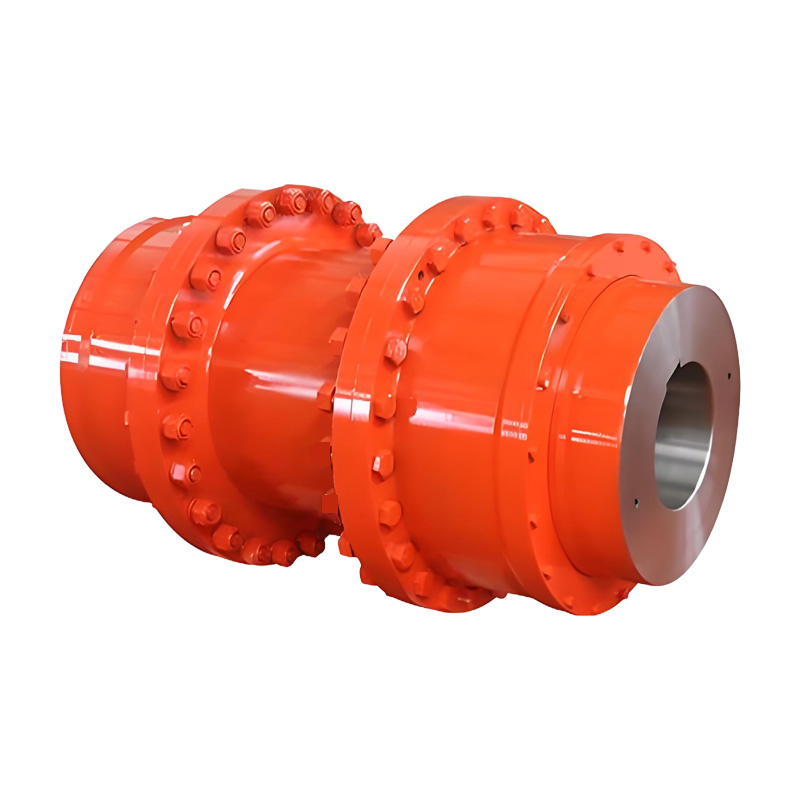
A standard gear coupling consists of two hubs mounted on the driving and driven shafts, along with one or two sleeves that enclose the hubs. The hubs feature external gear teeth, while the sleeves are machined with corresponding internal gear teeth. Torque is transmitted through the continuous meshing of these teeth.
To accommodate shaft misalignment, the gear teeth are often crowned. This allows the teeth to slide slightly during operation, compensating for angular, radial, and axial displacement without interrupting power transmission. Proper lubrication between the tooth surfaces reduces friction and wear during this movement.
Drum gear couplings are a specialized type of gear coupling in which the sleeve adopts a drum-shaped profile. This design increases the contact area between the gear teeth during misaligned operation, distributing loads more evenly across the tooth surface.
In heavy-load applications such as steel rolling and mining machinery, drum gear couplings help reduce localized stress and improve operational stability. The geometry of the drum gear structure supports larger angular displacement while maintaining consistent torque transmission.
One of the core functions of gear couplings and drum gear couplings is their ability to handle multiple types of misalignment. This capability is essential in large mechanical systems where thermal expansion, foundation settlement, or shaft deflection may occur during operation.
The crowned tooth profile plays a central role in enabling these movements while maintaining stable engagement between mating components.
Gear couplings are known for their ability to transmit very high torque within a relatively small envelope. The metal-to-metal contact between gear teeth allows them to handle loads that exceed the capabilities of many flexible coupling types.
This high torque capacity makes gear couplings suitable for applications where space is limited but mechanical output requirements are demanding. Drum gear couplings further enhance this characteristic by improving load sharing under misaligned conditions.
Due to their structural strength and operational stability, gear couplings and drum gear couplings are widely applied across heavy industries. Their use supports continuous operation in systems subjected to shock loads and variable working conditions.
Lubrication plays a critical role in the service life of gear couplings. Grease or oil forms a protective film on the gear tooth surfaces, reducing friction and minimizing wear during relative movement.
Regular inspection of seals, lubricant condition, and tooth surfaces helps maintain stable operation. Correct shaft alignment during installation also contributes to reducing abnormal loads on the coupling components.
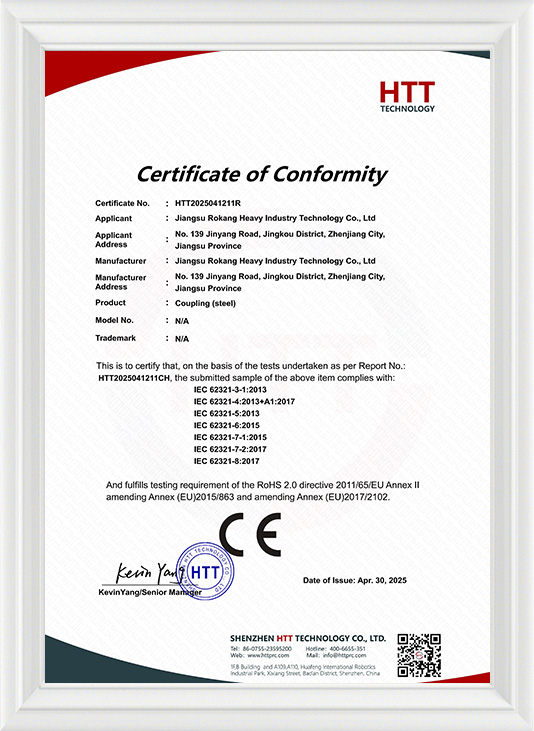
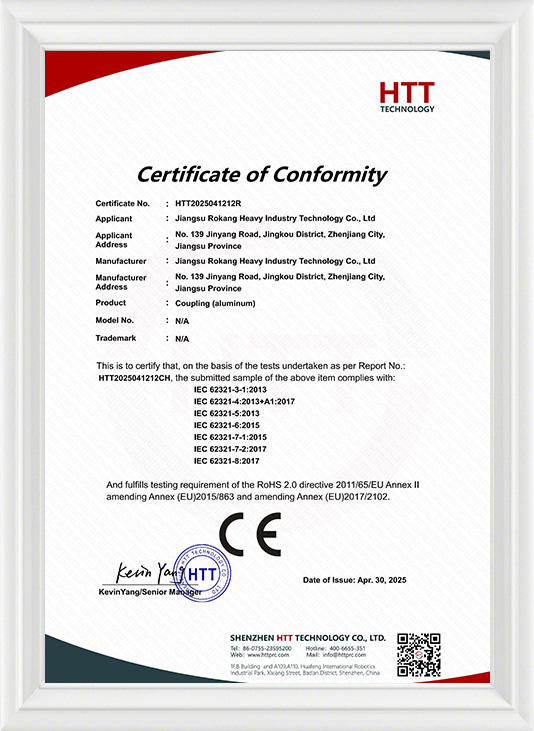
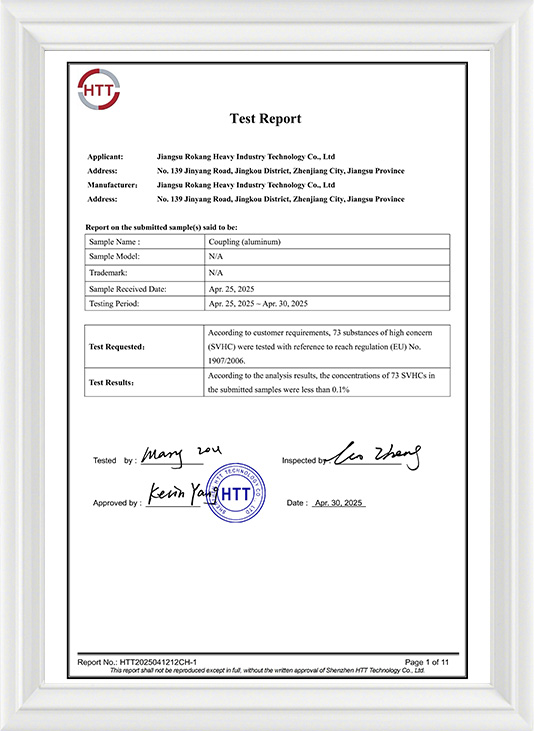
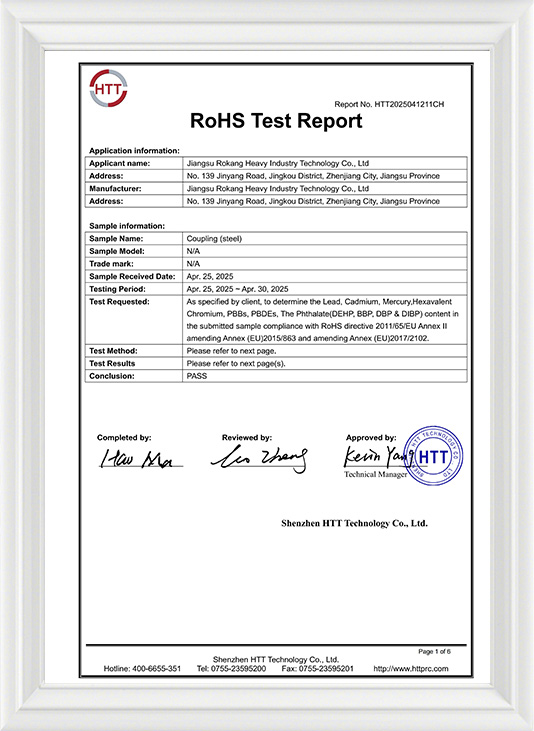
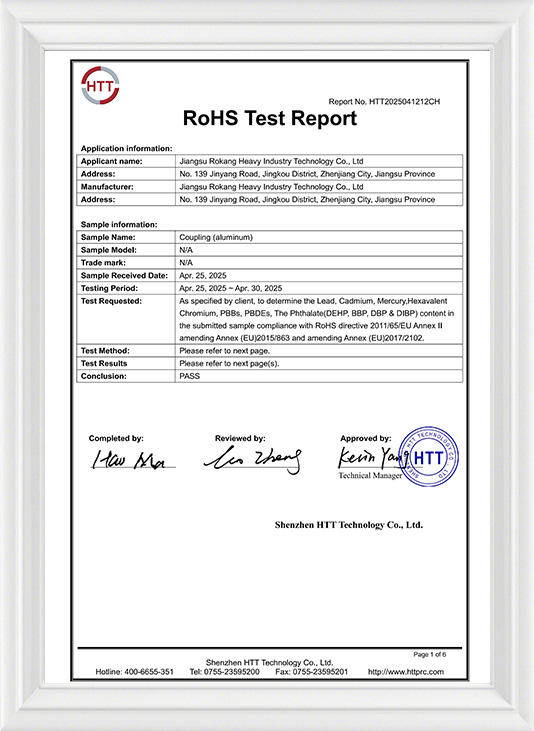
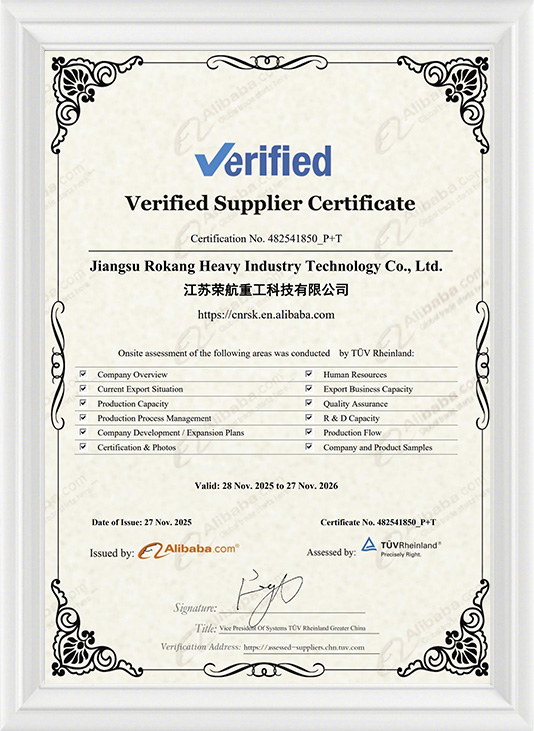
Jiangsu Rokang Heavy Industry Technology Co., Ltd. has developed comprehensive manufacturing capabilities covering mechanical design, precision machining, heat treatment, and welding. With complete processing equipment and quality inspection systems, the company supports consistent production of gear couplings and drum gear couplings for demanding industrial environments.
Through long-term research and cooperation with scientific research institutions, Rokang has expanded its product range into precision, heavy-load, and high-speed coupling solutions. These products are applied across metallurgy, mining, petrochemical, transportation, and marine industries, meeting diverse operating conditions.
| Structure | Straight sleeve design | Drum-shaped sleeve profile |
| Load Distribution | Standard tooth contact | More uniform tooth contact |
| Misalignment Capacity | Moderate | Higher angular tolerance |
| Typical Applications | General heavy machinery | Steel mills and mining equipment |
Gear couplings and drum gear couplings remain key components in heavy-duty power transmission systems. Their mechanical strength, high torque capability, and ability to accommodate misalignment support stable operation in complex industrial environments. Supported by advanced manufacturing processes and application experience, these coupling solutions continue to play an important role in modern industrial equipment.
Get in Touch
Your email address will not be published. Required fields are marked *
Have a project in mind? Contact with us!
We are happy to answer your questions. Please fill out this form and one of our professional team will get back to you as soon as possible.

A professional manufacturer specializing in the production of various types of couplings! Gear Couplings Manufacturers in China.

