






 English
 русский
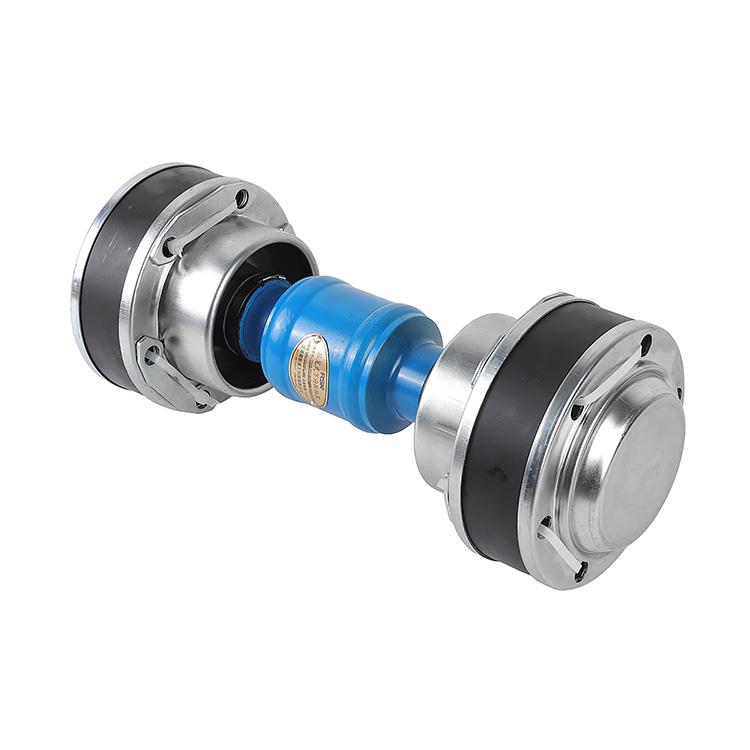
RSK-TBC 6ZT High-speed and high-power multi-diaphragm transmission coupling
RSK-TB series Suitable for smooth shafts and torque limiter Advanced Technique Up to 100% torque transfer under alternating loads with low instantaneo...
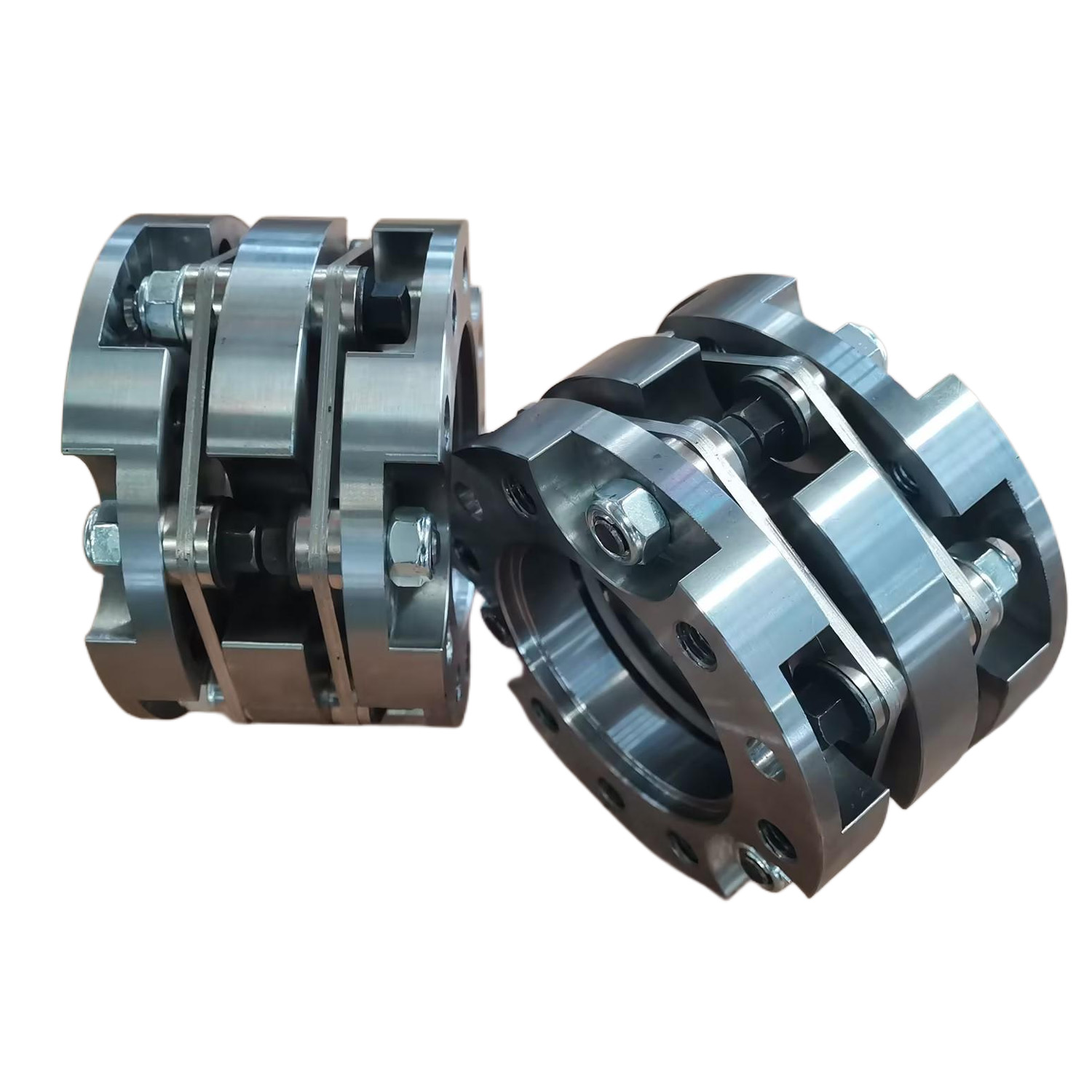
RSK-TB series Suitable for smooth shafts and torque limiter Advanced Technique Up to 100% torque transfer under alternating loads with low instantaneo...

Suitable for torque sensors Performance characteristics ◆High driving accuracy and reliability ◆ Extremely low operating noise ◆ Superior dynamic perf...
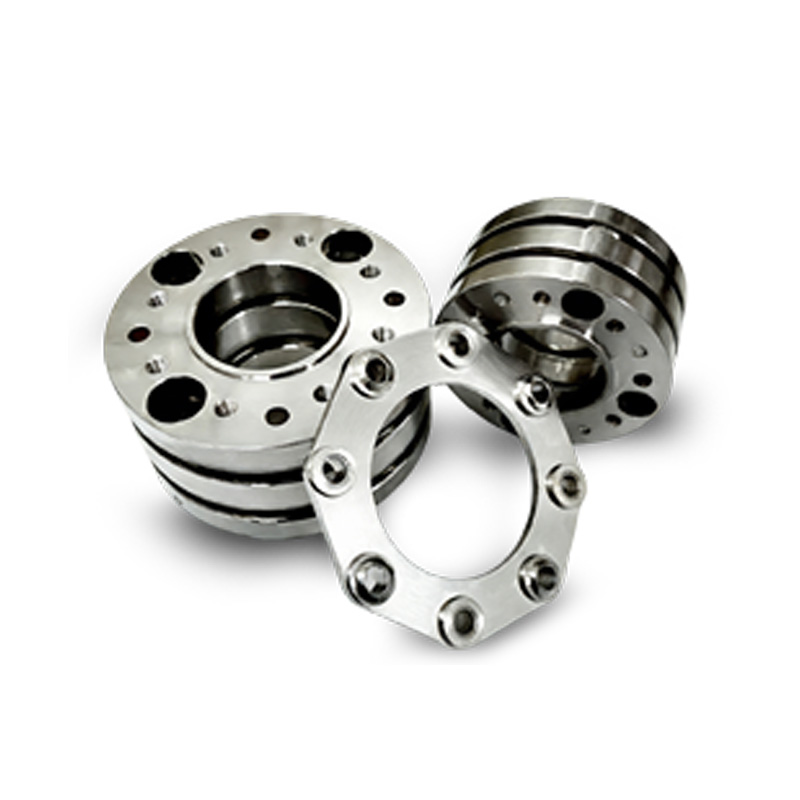
RSK-TB series Suitable for smooth shafts and torque limiter Advanced Technique Up to 100% torque transfer under alternating loads with low instantaneo...
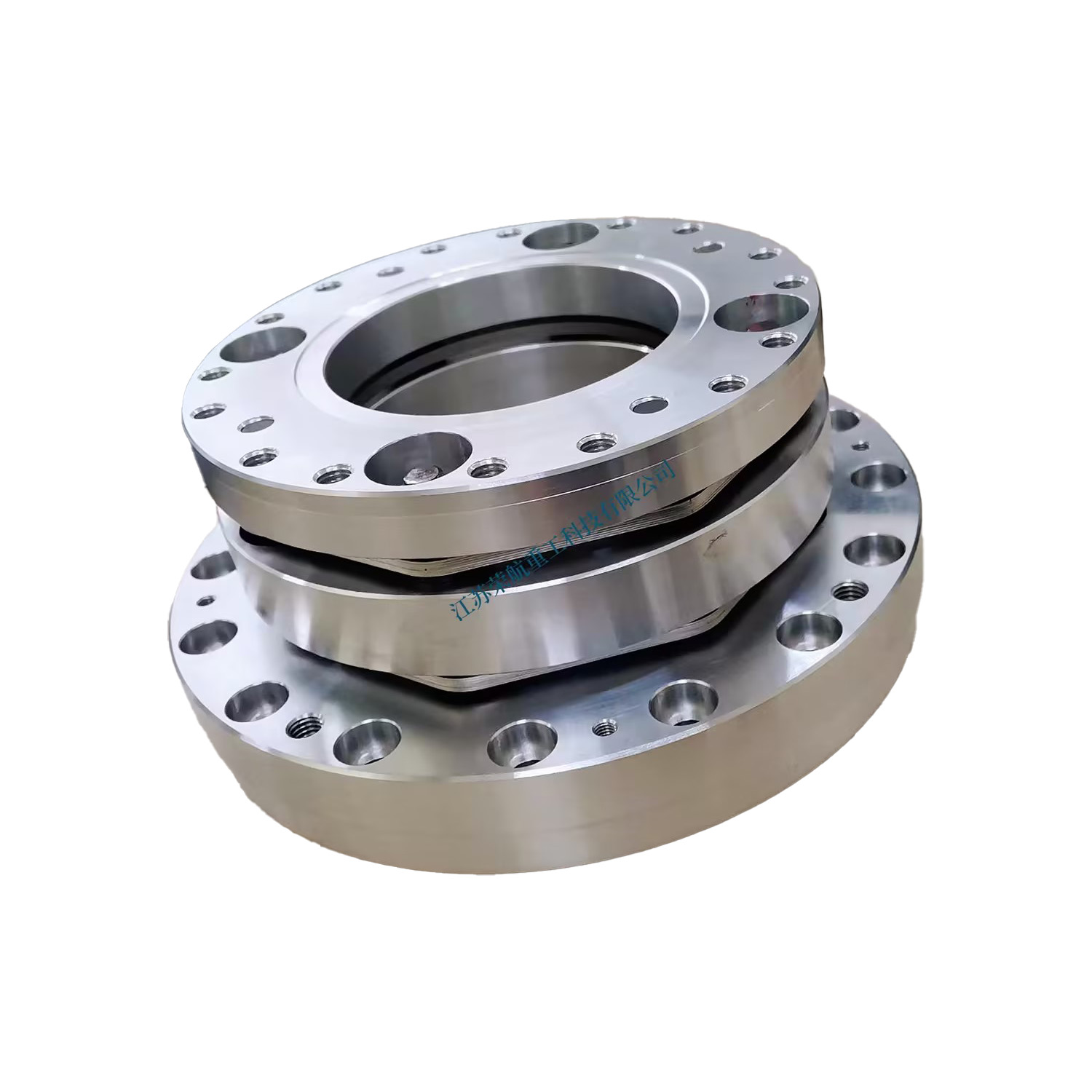
RSK-TB series Suitable for smooth shafts and torque limiter Advanced Technique: Up to 100% torque transfer under alternating loads with low instantane...

RSK-TB series Suitable for smooth shafts and torque limiter Advanced Technique Up to 100% torque transfer under alternating loads with low instantaneo...
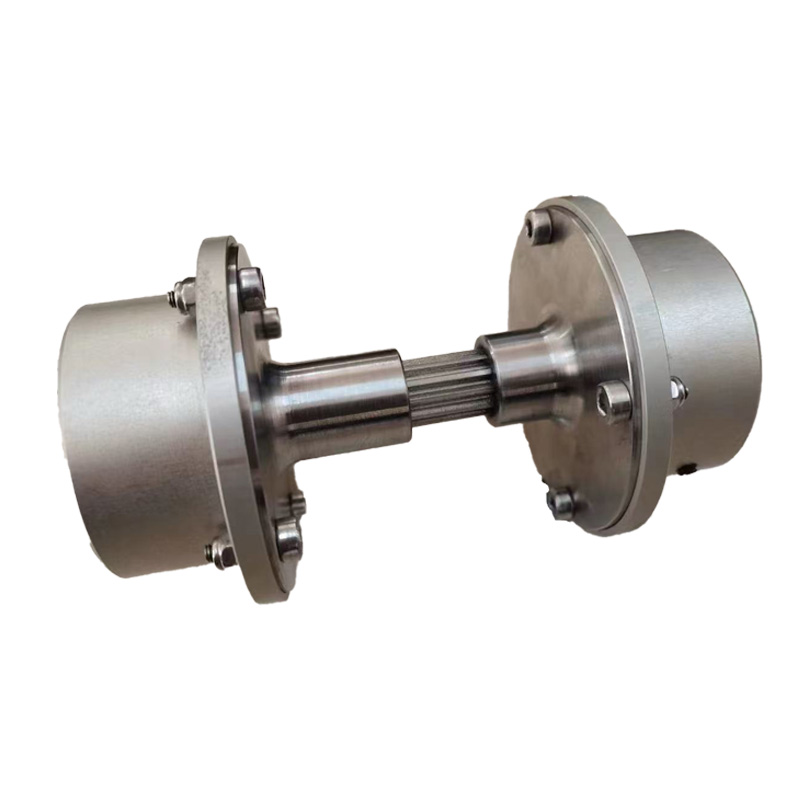
RSK specializes in the design and manufacturing of ultra-high-speed couplings tailored for extreme operating conditions. To meet the stringent demands...
A high-speed diaphragm coupling is a wear-free, maintenance-free mechanical connector for shafts, using thin, flexible metal diaphragms (like stainless steel) to transmit high torque while absorbing axial, radial, and angular misalignment without backlash, making it ideal for turbomachinery (pumps, compressors) where precise, reliable, high-speed power transfer is critical. Its design, often with separated inner/outer diameters, prevents fretting corrosion, and its torsional stiffness can be tuned for specific equipment, offering significant advantages over lubricated couplings like gear couplings.
Key Features & How It Works:
Flexible Element: One or more thin, elastic metal diaphragms (flat, convoluted, or spoked) are the core components.
Torque Transmission: Torque flows from one shaft flange, through the diaphragm's outside diameter, across the diaphragm, and to the other shaft's hub at the inside diameter.
Misalignment Accommodation: The diaphragm flexes to allow for shaft movement (axial, radial, angular), preventing damaging forces on connected equipment.
Torsional Stiffness: Achieved by varying diaphragm thickness or diameter, allowing engineers to tune the coupling's critical speed to avoid resonance.
No Lubrication Needed: Because there's no rubbing or relative motion between flexing parts (unlike gear couplings), it's wear-free, quiet, and maintenance-free.
High Performance: Excellent for critical applications due to high torque density, low weight, and reliable performance in demanding conditions, often outperforming gear couplings in vibration and temperature.
Why High Speed?
Reduced Vibration: Its ability to manage torsional vibrations helps protect sensitive high-speed machinery.
Long Life: Designed for infinite life within specified limits, reducing downtime.
Applications: Used in turbines, compressors, pumps, generators, and other high-tech industrial equipment.
In essence, a diaphragm coupling connects rotating shafts with high precision and reliability, flexing to handle misalignment without friction, making it a superior choice for high-speed, high-torque power transmission.
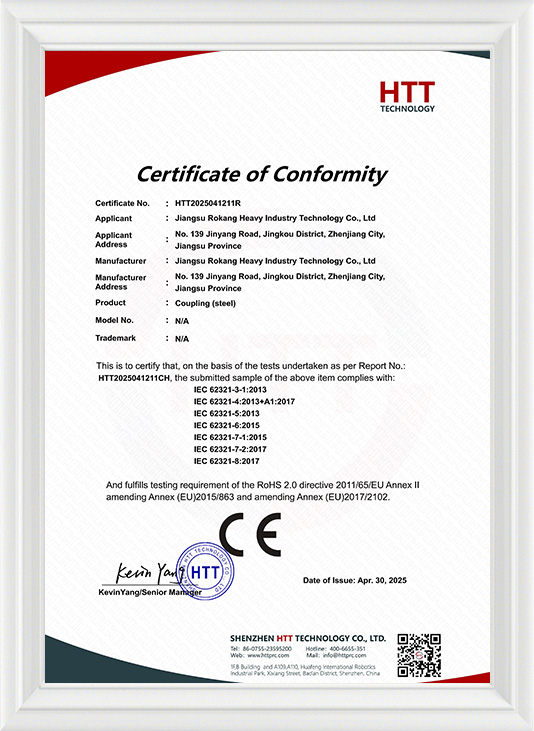
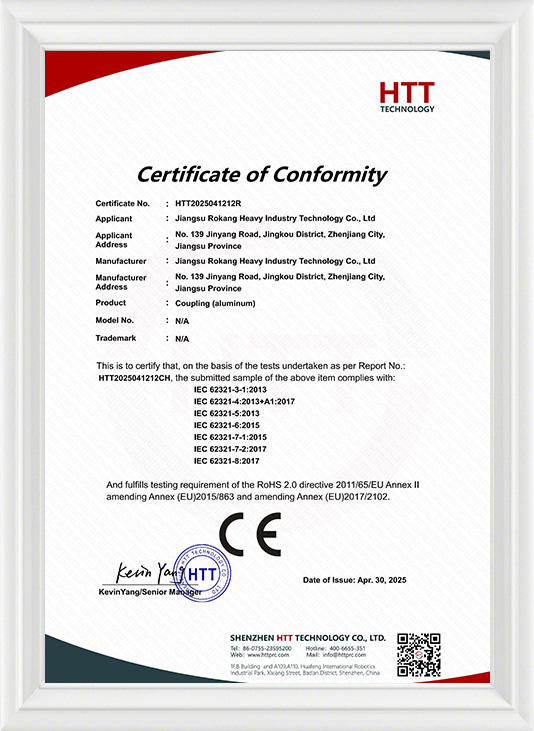
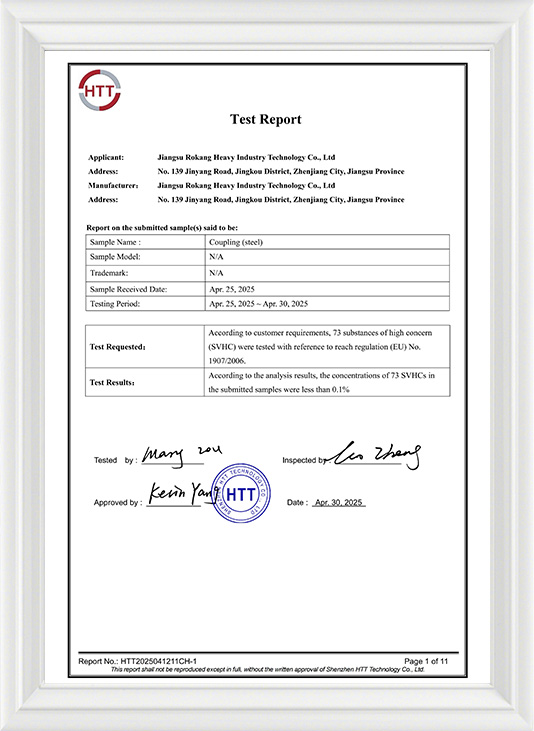
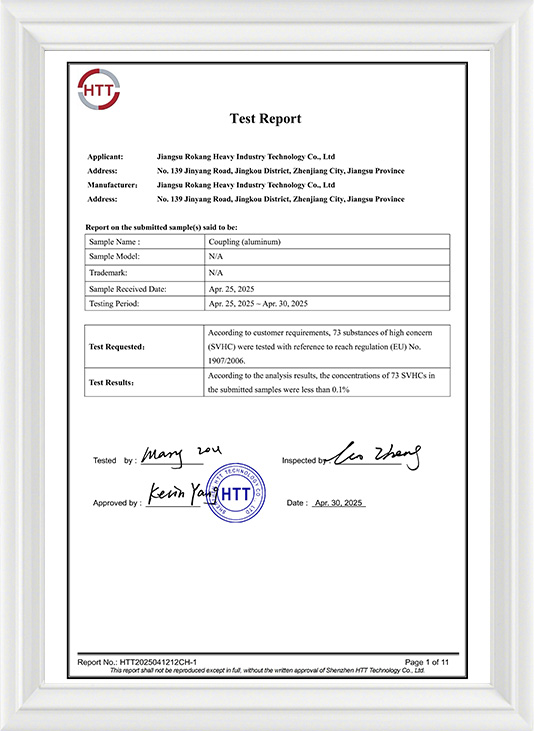
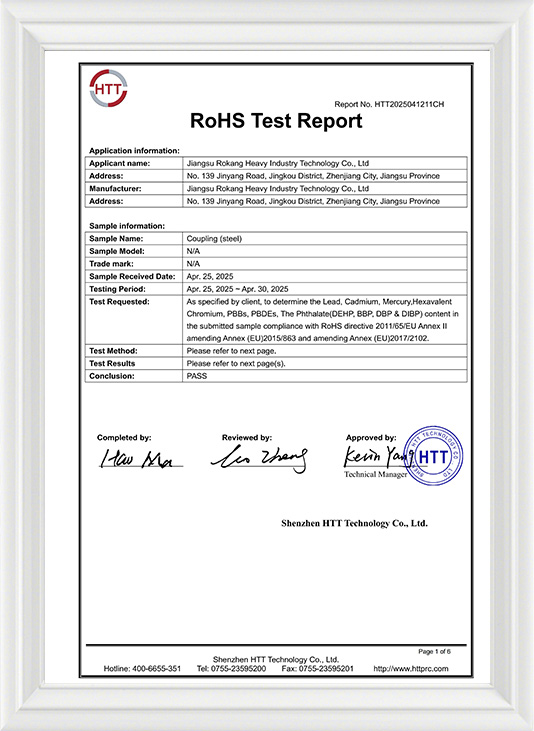
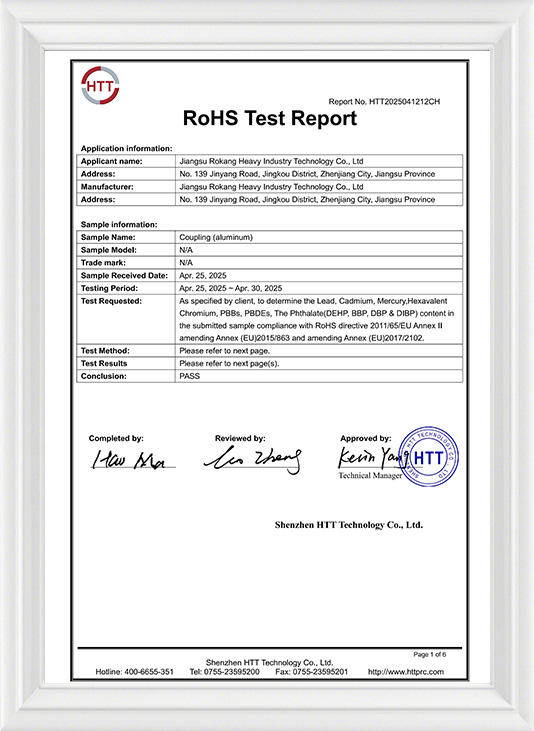
What Are Flexible Couplings and Why Are They Essential in Power Transmission? Flexible couplings are mechanical devices that connect two rotating shafts — typically a driver (motor, engine, or turbine) and a driven mach...
READ MOREA chain coupling connects two rotating shafts by linking their sprockets with a short section of roller chain, transmitting torque mechanically while accommodating small amounts of shaft misalignment. For industrial pow...
READ MOREServo Couplings: The Critical Link Between Motor and Load A servo coupling is a mechanical element that connects the output shaft of a servo motor to a driven component — a ball screw, encoder, gear, or load shaft — whi...
READ MOREThe Operational Advantage of Serpentine Spring Couplings A serpentine spring coupling is the optimal solution for high-torque, heavy-duty industrial applications requiring precise alignment compensation and shock absorp...
READ MOREHigh speed diaphragm couplings are engineered for rotating equipment where precision, stability, and reliability are critical. Unlike lubricated couplings, this type of coupling relies on thin metallic diaphragms to transmit torque without physical contact between moving parts. The result is a backlash-free, wear-free connection that performs consistently under high rotational speeds and demanding operating conditions.
In industries such as power generation, petrochemical processing, and advanced manufacturing, diaphragm couplings are often selected for turbomachinery due to their predictable behavior, low inertia, and ability to protect sensitive equipment from misalignment-induced stresses.
The core element of a high speed diaphragm coupling is one or more flexible metal diaphragms, typically manufactured from high-strength alloys. These diaphragms are connected between flanges or hubs mounted on each shaft. Torque is transmitted through elastic deformation of the diaphragm rather than sliding or rolling contact.
Many designs separate the inner and outer diameter load paths, allowing torque to flow smoothly across the diaphragm while reducing localized stress. This structural arrangement also minimizes the risk of fretting corrosion, which is a common concern in high-speed rotating assemblies.
High speed diaphragm couplings transmit torque through pure elastic deformation of the diaphragm material. As torque enters through the outer diameter of the diaphragm, it passes across the flexible element and exits at the inner diameter connected to the opposite hub.
Because there is no clearance or tooth engagement, torque transfer occurs without backlash. This characteristic is particularly important in high-speed compressors and turbines, where even minor torsional irregularities can affect efficiency, vibration levels, and bearing life.
High speed diaphragm couplings are designed to accommodate shaft misalignment through controlled flexing of the diaphragm. This flexing occurs without friction or surface wear, allowing the coupling to absorb displacement while maintaining torque stability.
By isolating these movements within the diaphragm, the coupling reduces the transmission of harmful forces to connected shafts, bearings, and seals.
Torsional stiffness is a defining performance parameter of high speed diaphragm couplings. By adjusting diaphragm thickness, diameter, or the number of diaphragm packs, engineers can tailor stiffness to match specific equipment requirements.
This tuning capability helps shift system critical speeds away from operating ranges, reducing the risk of resonance. In high-speed machinery, stable torsional behavior contributes directly to lower vibration levels and improved long-term reliability.
Unlike gear couplings, diaphragm couplings do not require lubrication. There is no metal-to-metal sliding contact, eliminating the need for grease or oil systems and reducing routine maintenance tasks.
This wear-free operation makes high speed diaphragm couplings suitable for clean environments and continuous-duty applications where downtime must be minimized. Over extended service periods, this design approach supports consistent performance without degradation caused by lubricant contamination or tooth wear.
High speed diaphragm couplings are commonly applied in machinery where rotational accuracy and dynamic stability are essential. Their compact design and predictable mechanical behavior align well with advanced industrial systems.
The performance of high speed diaphragm couplings depends heavily on material quality, machining accuracy, and assembly control. Manufacturers with strong capabilities in precision machining, heat treatment, and dynamic testing are better positioned to deliver stable and reliable coupling solutions.
With long-term experience in advanced coupling technologies and heavy-duty power transmission, Jiangsu Rokang Heavy Industry Technology Co., Ltd. applies its engineering expertise to develop coupling solutions that meet the demands of high-speed and high-load applications across multiple industries.
| Lubrication | Not required | Required |
| Backlash | None | Possible |
| Maintenance | Maintenance-free | Periodic lubrication |
| Typical Speed Range | High-speed applications | Medium to high torque, lower speed |
High speed diaphragm couplings provide a precise and reliable solution for modern power transmission systems where speed, alignment accuracy, and vibration control are critical. Through elastic torque transfer, maintenance-free operation, and tunable dynamic characteristics, they support stable performance in demanding industrial environments. As high-speed machinery continues to evolve, diaphragm couplings remain an important component in achieving long-term operational stability and efficiency.
Get in Touch
Your email address will not be published. Required fields are marked *
Have a project in mind? Contact with us!
We are happy to answer your questions. Please fill out this form and one of our professional team will get back to you as soon as possible.

A professional manufacturer specializing in the production of various types of couplings! High Speed Diaphragm Couplings Manufacturers in China.

