






 English
 русский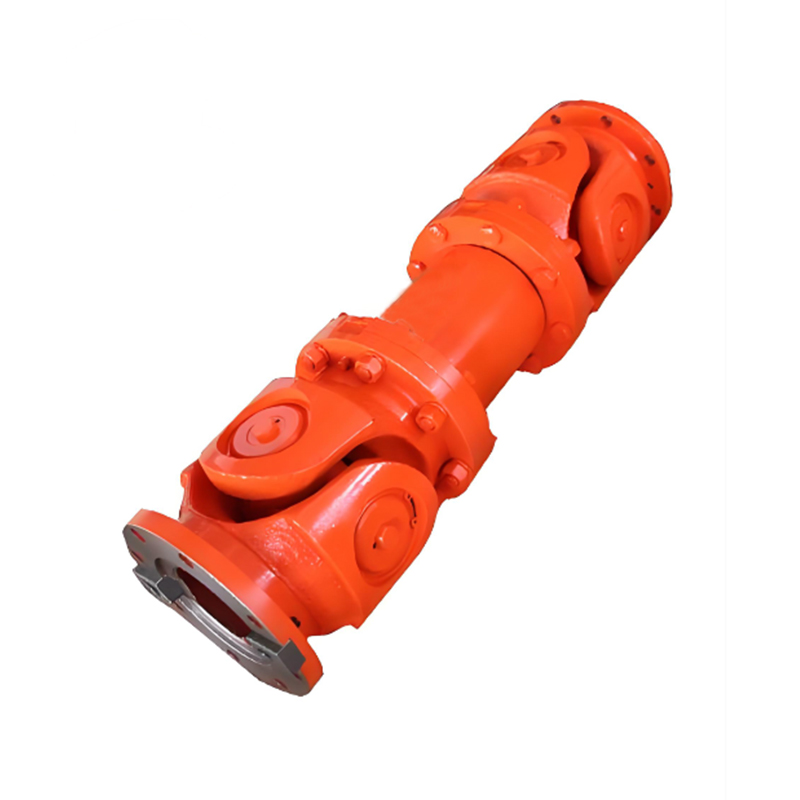
RSK-BJDF Manufacturing high-performance industry CV Joint Fixed Type
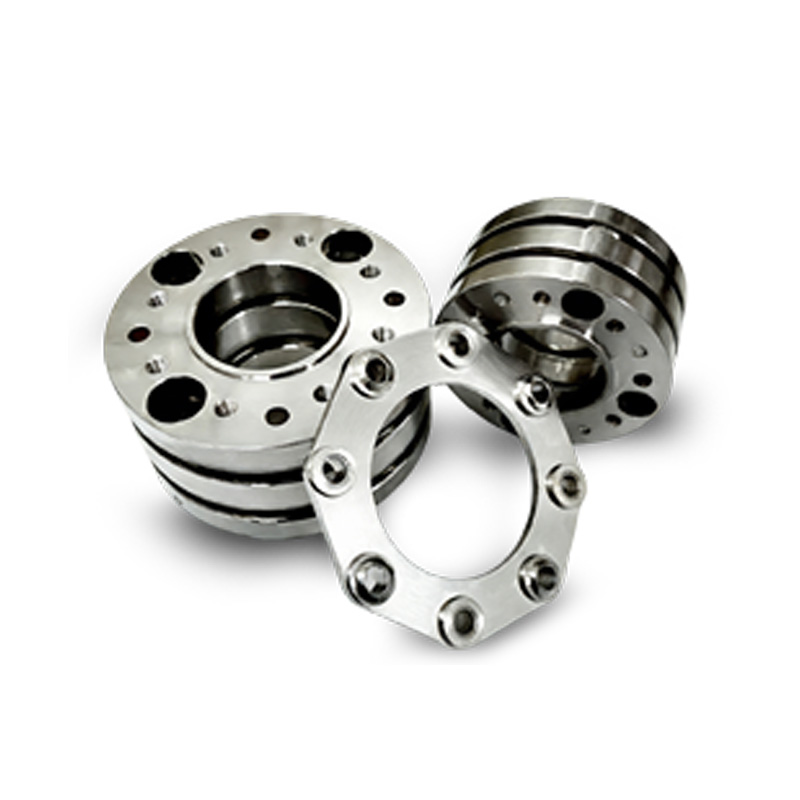
RSK CV Joint (ball cage constant velocity joint) is a high-performance transmission component. We offer a reliable, cost-effective CV Joints. Its stru...
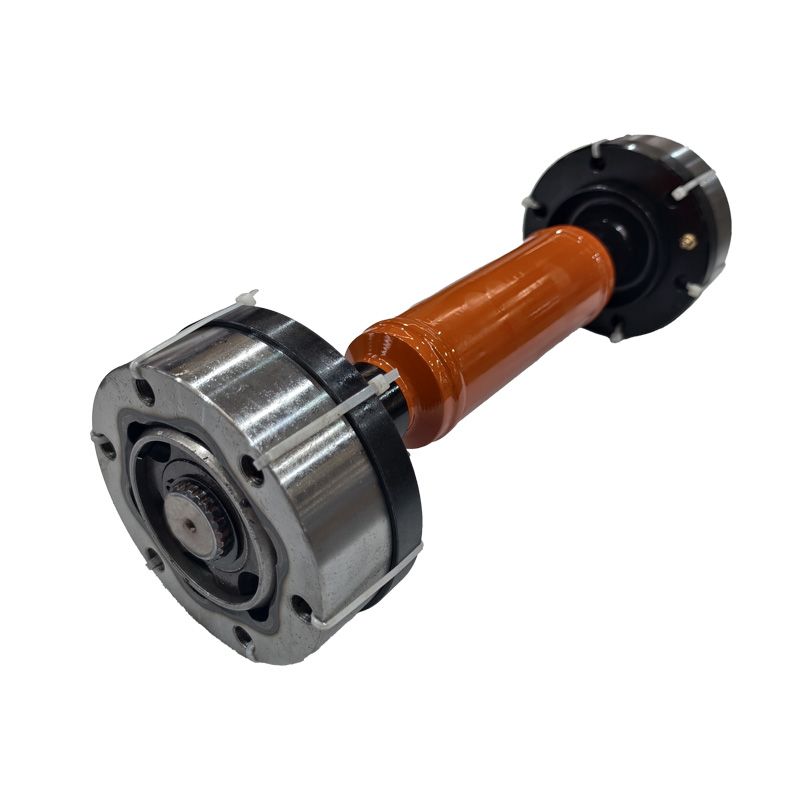
RSK CV Joint (ball cage constant velocity joint) is a high-performance transmission component. We offer a reliable, cost-effective CV Joints. Its stru...
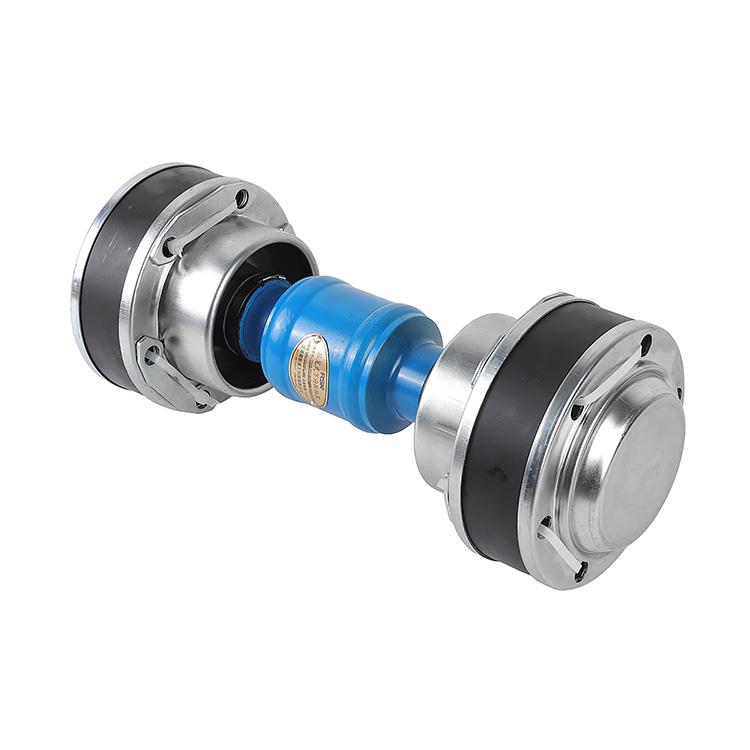
The wear-resistant telescopic constant velocity joint for test bench is a high-performance transmission component designed for complex working condit...
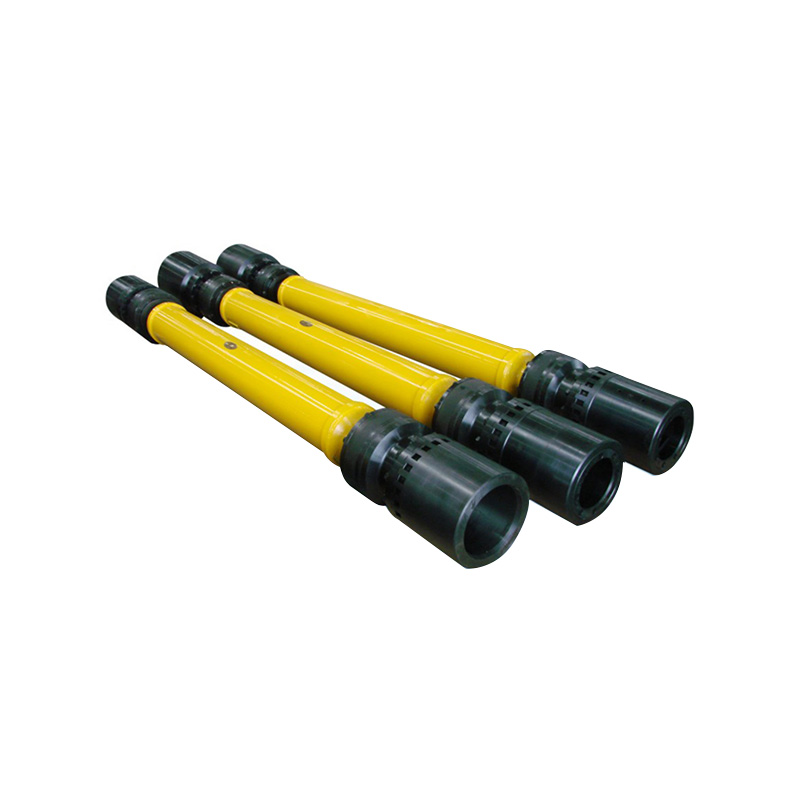
The Long plunge Ball cage CV Joint is a high-performance transmission component designed for complex working conditions. It is mainly composed of a l...
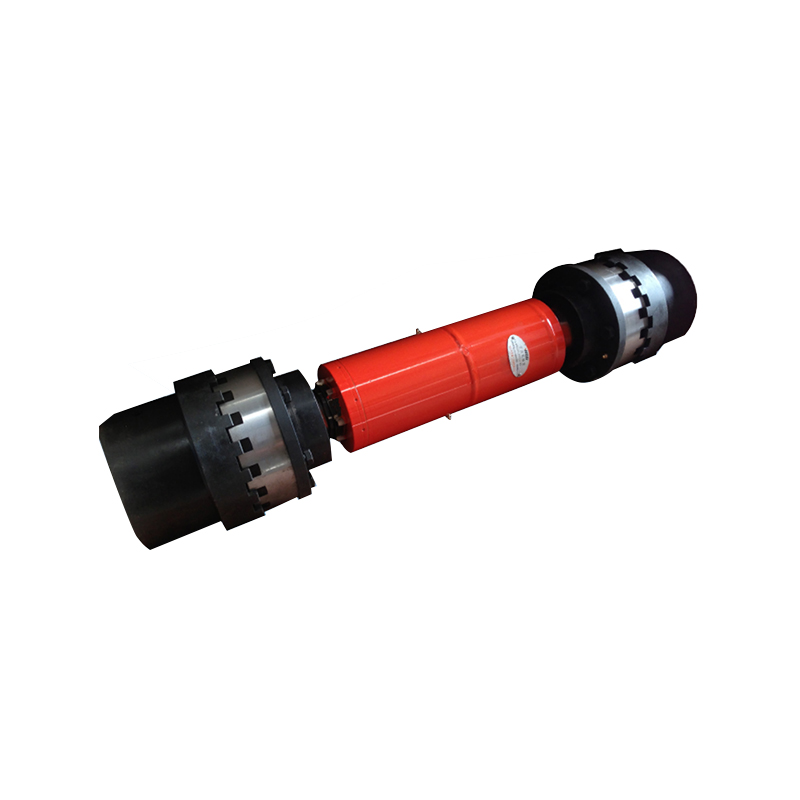
The Fixed ball cage Constant Velocity Synchronous Universal Coupling large extension is a transmission component that combines innovative design and e...
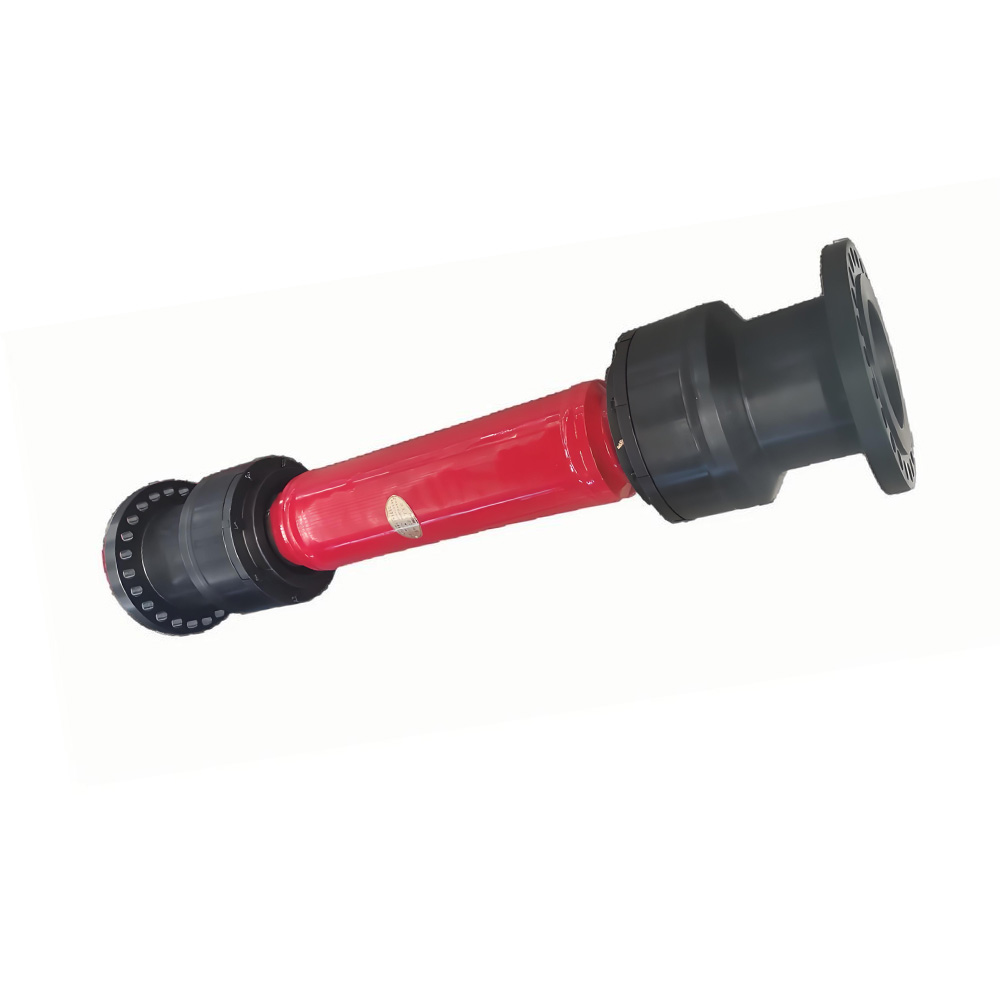
The all cage constant velocity universal joint straight groove type with flange hub is an excellent transmission component that combines innovation an...
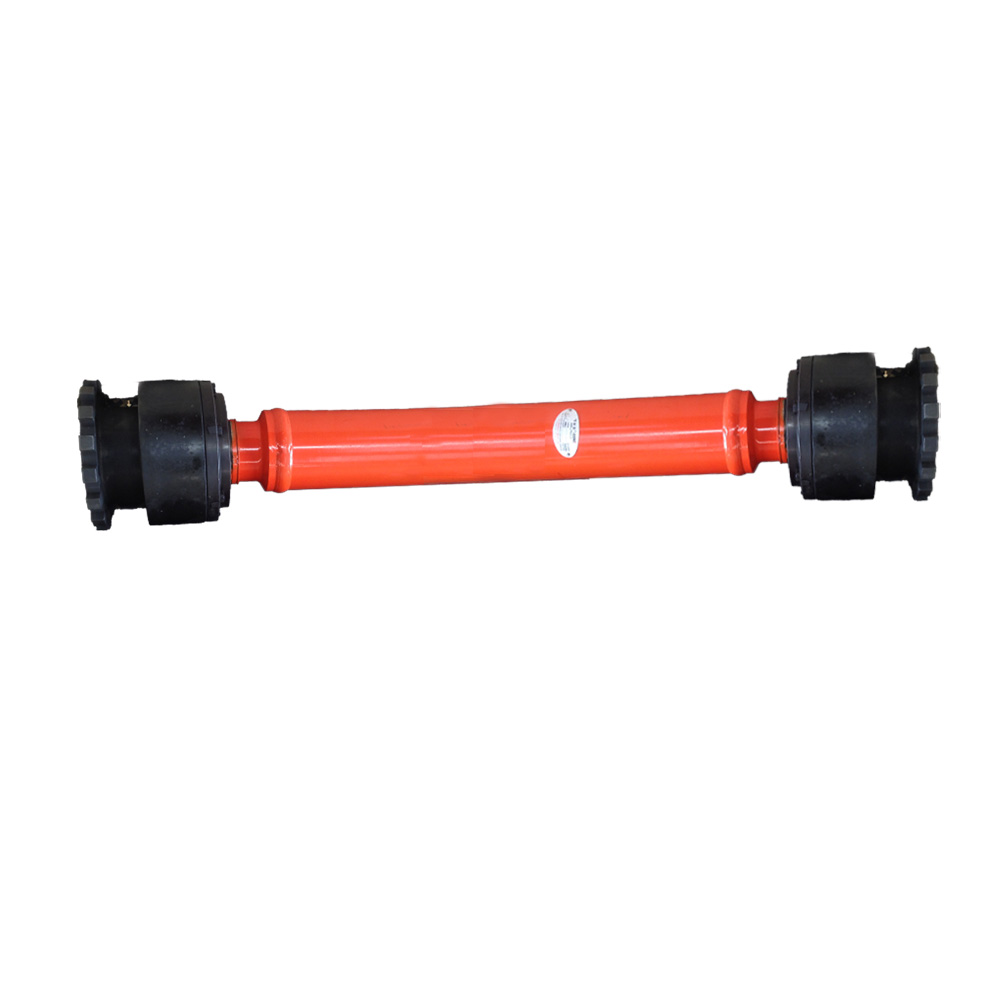
The CV universal joint straight groove type linking with tooth flange hub is an excellent transmission component that combines innovation and practica...
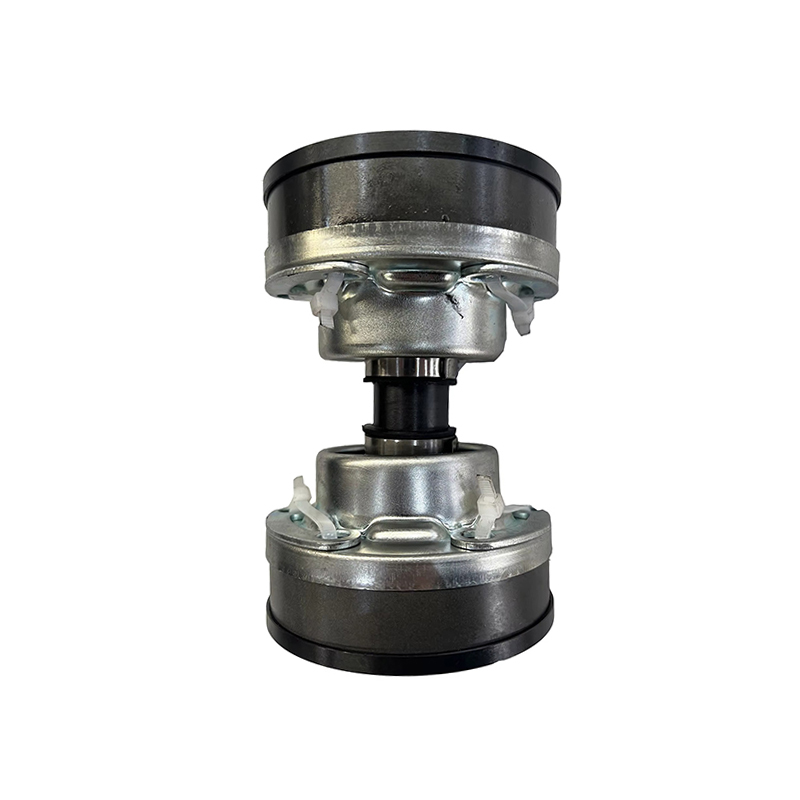
The CV Joint coupling used in vehicle test bench is an advanced mechanical component designed to meet the high-precision and high-speed transmission n...
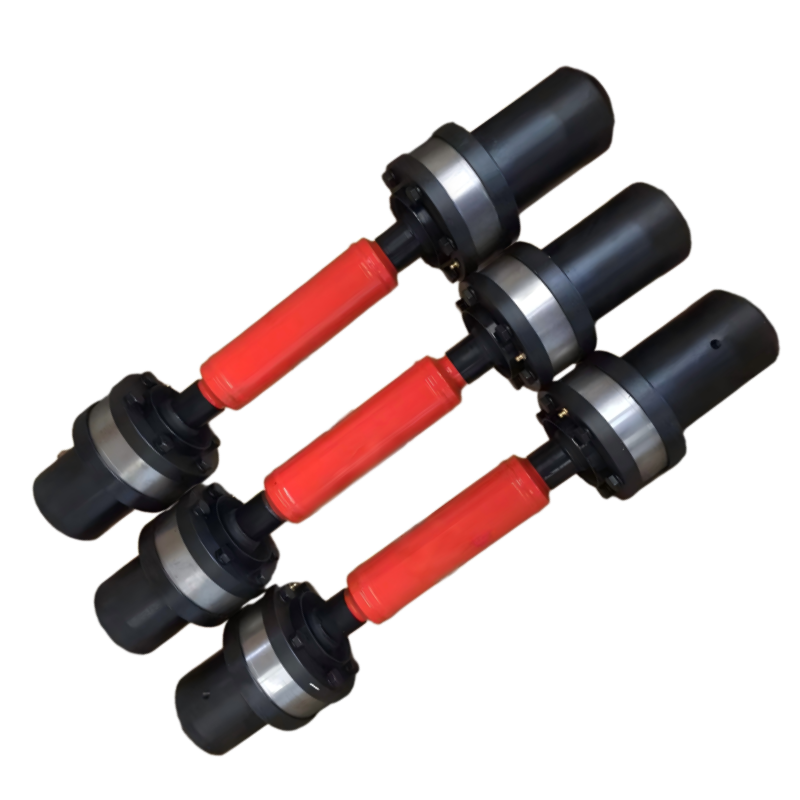
The arc groove ball cage constant speed universal coupling is a precision component that plays a key role in the field of modern industrial transmissi...
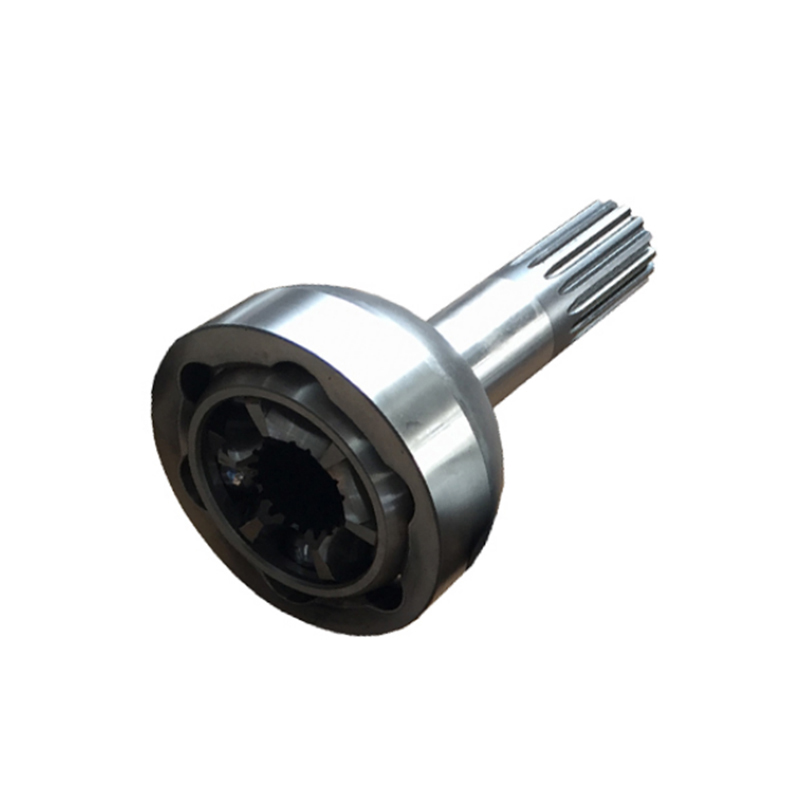
The high-efficiency transmission ball cage CV Universal couplings is a precision transmission component designed for complex working conditions. Its e...
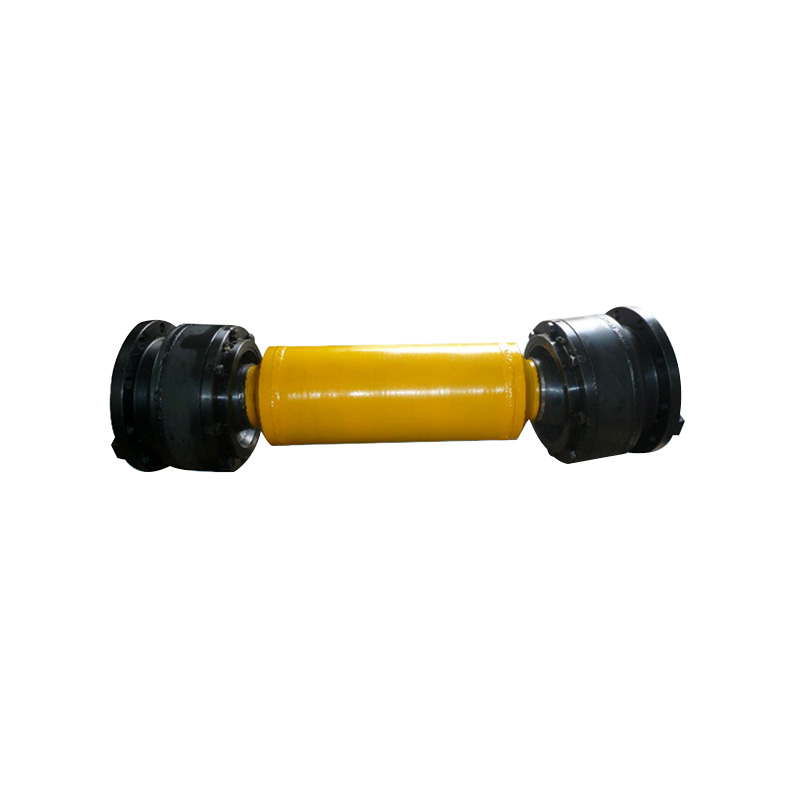
The high-temperature-resistant constant velocity universal couplings is designed for harsh working conditions and is a powerful assistant in the fiel...
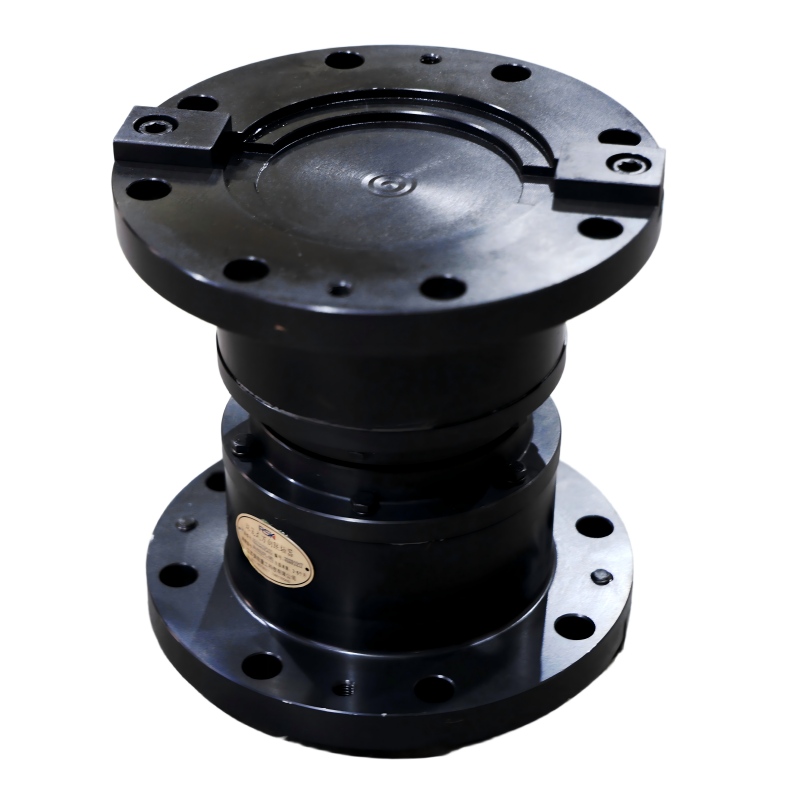
The high-stability Constant Velocity Joint universal couplings is an innovative key component in the field of industrial transmission, designed for po...
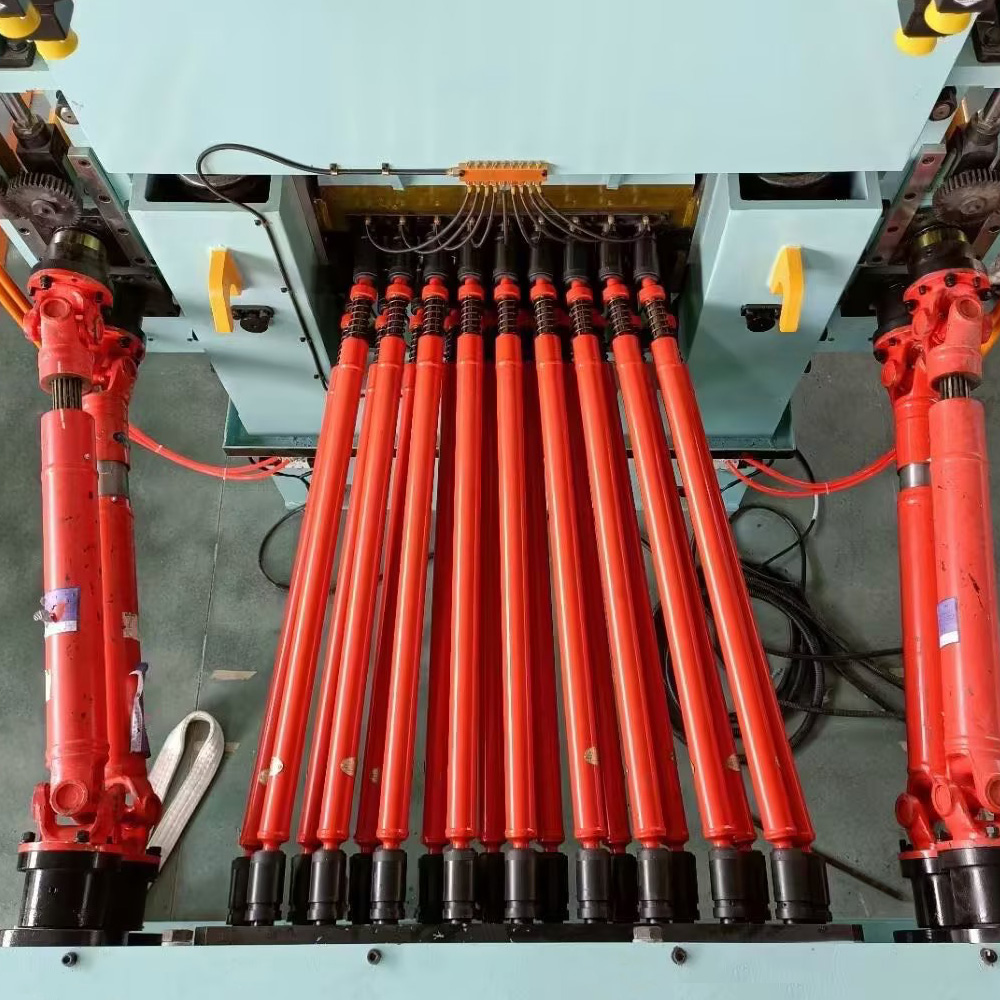
The shock-absorbing Straight Groove Sliding ball cage CV Universal Joint is an advanced transmission component that integrates multiple excellent perf...
What Are Flexible Couplings and Why Are They Essential in Power Transmission? Flexible couplings ar...
READ MOREA chain coupling connects two rotating shafts by linking their sprockets with a short section of ro...
READ MOREServo Couplings: The Critical Link Between Motor and Load A servo coupling is a mechanical element ...
READ MOREThe Operational Advantage of Serpentine Spring Couplings A serpentine spring coupling is the optima...
READ MOREThe Core Purpose of Flexible Couplings Flexible couplings are mechanical devices designed to transm...
READ MOREWhat Flexible Couplings Do and Why They Matter Flexible couplings connect two rotating shafts while...
READ MOREBulk procurement often defaults to “bigger is safer,” but shaft couplings fail most often from misapplied service factors, not from insufficient catalog torque. A practical approach is to calculate steady-state torque and then apply an application-specific factor that reflects duty cycle, shock, reversals, and start/stop frequency.
A frequent hidden driver is transient torque amplification from drivetrain resonance. If your site has recurring coupling wear at similar RPM bands, treat it as a torsional issue rather than a “material” issue; selecting a flexible coupling with tuned stiffness can reduce reflected shock.
When we support bulk buyers, we typically ask for duty-cycle and transient descriptions first, then map them to a coupling family that can carry the load with margin but without unnecessary inertia—lower inertia often improves starting behavior and reduces bearing stress.
Catalog misalignment limits are typically short-term mechanical limits; sustainable misalignment depends on speed, torque ripple, lubrication regime, and how often alignment drifts. In bulk purchasing, the win is to define acceptance criteria at installation and a maintenance drift window.
For heavy industry lines (rolling, mining, lifting), we frequently see drift from foundation settling and bearing clearance changes. A standard that includes re-check intervals after commissioning prevents “early-life” failures that are mistakenly blamed on coupling quality.
High-speed coupling selection is rarely just about torque and misalignment. The coupling is part of a torsional system that may amplify harmonics from motors, gear mesh, and process loads. For bulk programs, a simple screening method can reduce unplanned outages.
In practical terms, if failures cluster at a specific RPM, shifting coupling stiffness or inertia can move the resonance out of that band. With our in-house dynamic testing capability, we can support this screening with measured data rather than assumptions—without slowing down your procurement cycle.
Many plants standardize on one flexible coupling style, then “upgrade” to another only after repeated issues. A more practical approach is to match coupling type to the most expensive failure mode you are trying to prevent: bearing overload, heat generation, backlash, or fatigue cracking.
| Primary Risk | What to Prioritize in the Coupling | Typical Application Signals |
|---|---|---|
| Bearing Overload | Low reaction forces under misalignment; flexible elements tuned for offset | Hot bearings, repeated seal failures, alignment drift |
| Heat / Lubrication Breakdown | Thermal robustness; lubrication regime matched to speed | Discoloration, grease coking, short re-lube intervals |
| Backlash / Positioning Error | Low backlash and consistent torsional behavior | Indexing systems, servo drives, positioning drift complaints |
| Fatigue at Misalignment | High-cycle fatigue strength; controlled stress concentrations | Cracks at flex elements; failures after predictable hours |
Because we manufacture both universal couplings and gear-type solutions, we often help buyers rationalize a “family” approach: standardize interfaces where possible, but vary the flex mechanism to match risk—this reduces total spares without forcing one design into every duty.
The procurement confusion usually comes from overlapping use cases. Flexible shaft couplings are often chosen for vibration isolation and misalignment accommodation in compact drives, while universal couplings are selected when angular articulation and transmission robustness dominate.
In our own programs for heavy-load and high-speed fields, we focus on precision manufacturing, heat treatment, and dynamic testing to achieve stable behavior at operating speed—this is where “looks similar” products diverge in real service.
Get in Touch
Your email address will not be published. Required fields are marked *
Have a project in mind? Contact with us!
We are happy to answer your questions. Please fill out this form and one of our professional team will get back to you as soon as possible.

A professional manufacturer specializing in the production of various types of couplings! Shaft Couplings Factory in China.

