






 English
 русский
 中文简体
中文简体
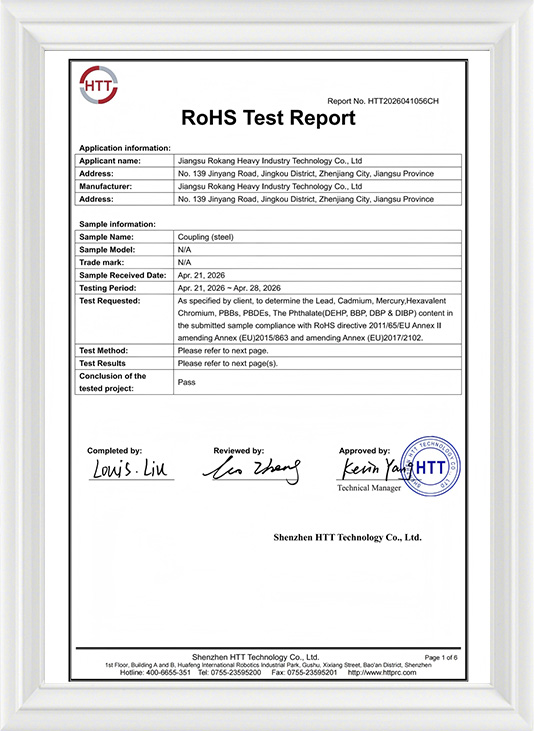
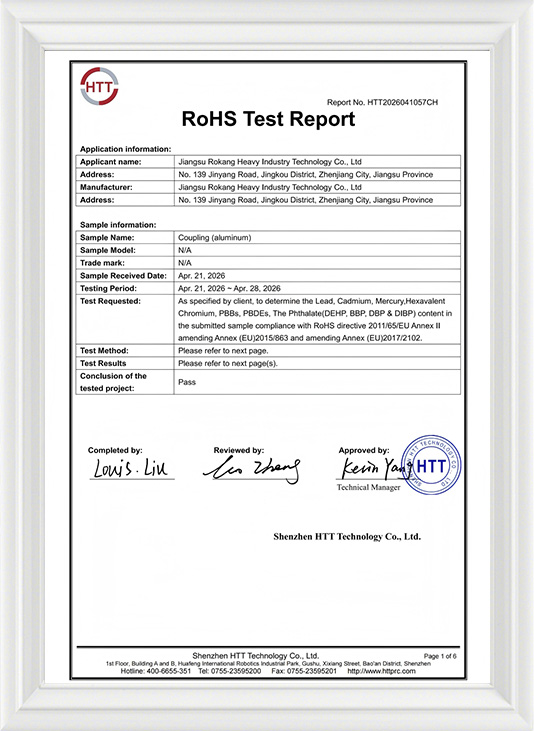
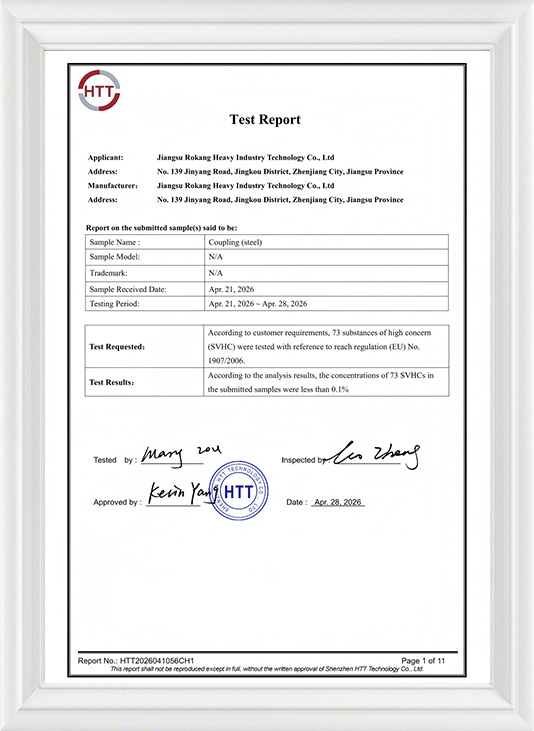
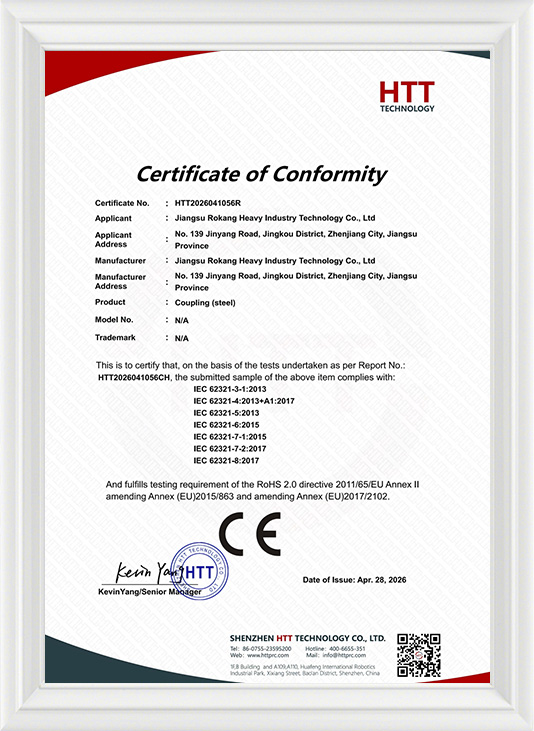
In mass production and machining of industrial couplings, bulk heat treatment determines the substrate strength and toughness of components, while surface treat...
Read More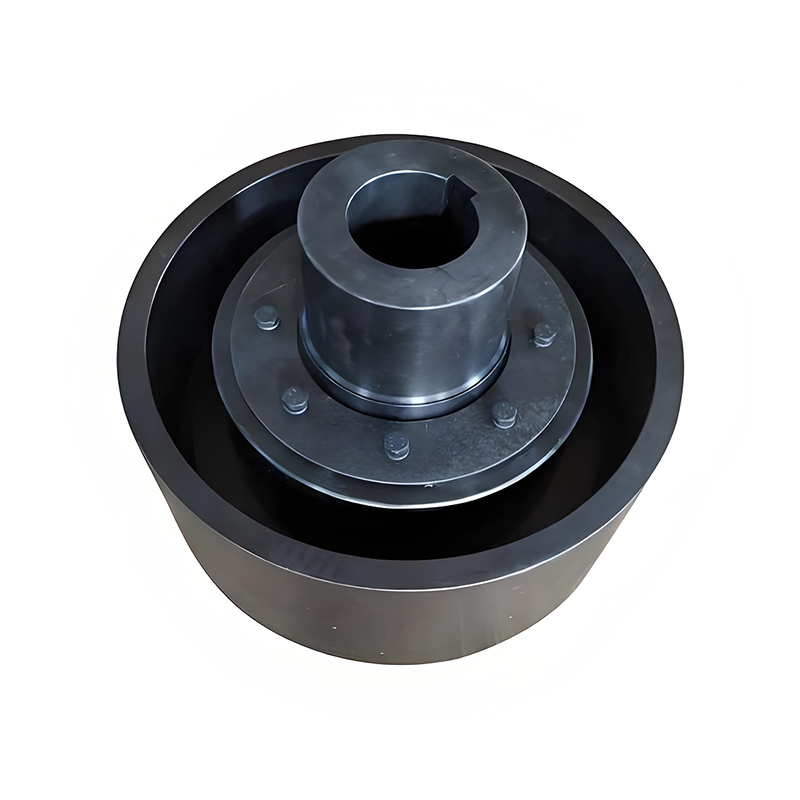
- Specification
- Describe
Specification
Key Characteristics
Functional Integration, Space Saving
Combines the transmission connector and braking actuator into one unit, greatly simplifying the axial layout of the drive train, saving installation space, and reducing the difficulty and cost of finding extra space between the motor and gearbox to mount a separate brake wheel
Direct Braking, Fast Response
The brake wheel is mounted directly on the drive shaft. The braking torque generated by the brake acting on the wheel is applied directly to the transmission system, resulting in quick braking response without delays or losses from intermediate transmission links
Compact Structure, Easy Installation
Supplied as a single integrated component. The user only needs to align and connect it like a standard coupling, without the need for separate alignment of a brake wheel, simplifying the installation process
Inherits Advantages of Pin Couplings
Some Misalignment Compensation: Can compensate for small amounts of axial, radial, and angular misalignment
Cushioning and Vibration Damping: The elastic rings can absorb some vibration and shock
No Lubrication Required: Nylon pins and elastic rings do not require lubrication during operation
Electrical Insulation: Nylon material provides insulation
Primary Application Fields
Overhead Cranes, Gantry Cranes: Bridge travel mechanism, trolley travel mechanism, hoisting mechanism.
Jib Cranes (Tower Cranes, Portal Cranes): Slewing mechanism, luffing mechanism.
Belt Conveyors, Bucket Elevators: Input side of the drive drum.
Metallurgical Foundry Cranes: Hoisting and traversing mechanisms.
Other material handling equipment requiring frequent starts/stops and reliable braking.
|
Model |
Nominal Torque (N·m) |
Permissible rotational speed (rpm) |
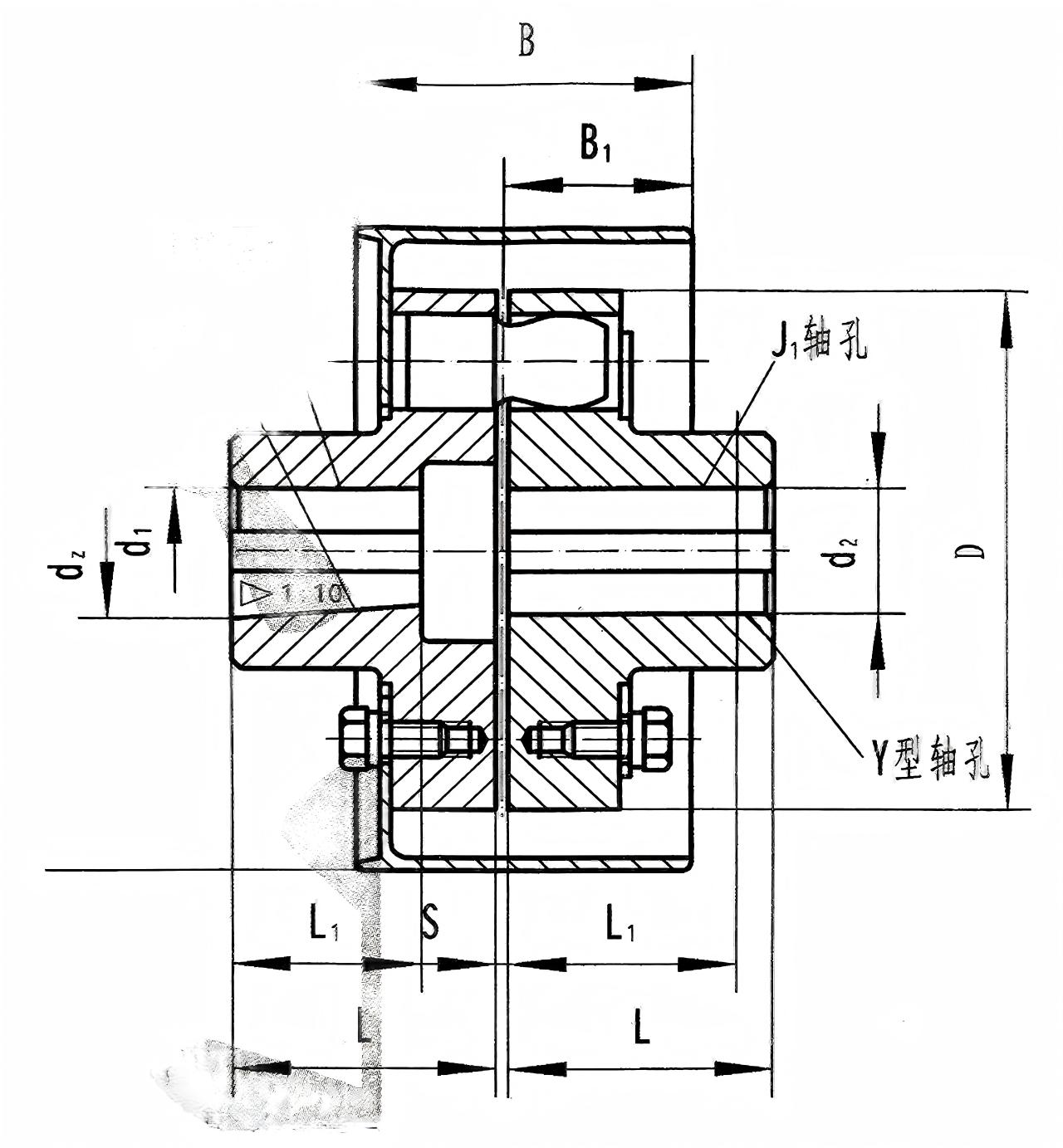
Shaft hole diameter (mm) d₁、d₂、 dz、 |
Shaft hole length (mm) |
D。 |
D |
B |
B₁ |
S |
Allowable compensation amount |
Moment of inertia () |
Weight (kg) |
||||
|
Y-shaped |
|
J、J₁、Z-shaped |
Axial |
Radial |
Angle direction |
|||||||||||
|
L |
L₁ |
L |
mm |
|
|
|||||||||||
|
RSK-LXZ1 |
560 |
5600 |
20、22、24 |
52 |
38 |
52 |
200 |
120 |
85 |
42 |
2.5 |
±1 |
0.15 |
≤0°30' |
2.18 |
11 |
|
25、28 |
62 |
44 |
62 |
|||||||||||||
|
30、32、35 |
82 |
60 |
82 |
|||||||||||||
|
RSK-LXZ2 |
1250 |
3750 |
30、32、35、38 |
82 |
60 |
82 |
200 |
160 |
85 |
40 |
2.5 |
±1 |
0.15 |
≤0°30' |
2.45 |
14 |
|
40、42、45、48 |
112 |
84 |
112 |
|||||||||||||
|
RSK-LXZ3 |
1250 |
2430 |
30、32、35、38 |
82 |
60 |
82 |
315 |
160 |
132 |
66 |
2.5 |
±1 |
0.15 |
≤0°30' |
13.08 |
25 |
|
40、42、45、48 |
112 |
84 |
112 |
|||||||||||||
|
RSK-LXZ4 |
2500 |
2430 |
40、42、45、48、50、56 |
112 |
84 |
112 |
315 |
195 |
132 |
66 |
3 |
±1.5 |
0.15 |
≤0°30' |
16.6 |
40 |
|
60、63 |
142 |
107 |
142 |
|||||||||||||
|
RSK-LXZ5 |
2500 |
1900 |
40、42、45、48、50、55、56 |
112 |
84 |
112 |
400 |
195 |
168 |
84 |
3 |
±1.5 |
0.15 |
≤0°30' |
49.2 |
59 |
|
60、63 |
142 |
107 |
142 |
|||||||||||||
|
RSK-LXZ6 |
3150 |
1900 |
50、55、56 |
112 |
84 |
112 |
400 |
220 |
168 |
84 |
3 |
±1.5 |
0.15 |
≤0°30' |
57.6 |
69 |
|
60、63、65、70、71、75 |
142 |
107 |
142 |
|||||||||||||
|
RSK-LXZ7 |
3150 |
1500 |
50、55、56 |
112 |
84 |
112 |
500 |
220 |
210 |
105 |
3 |
±1.5 |
0.15 |
≤0°30' |
127.4 |
91 |
|
60、63、65、70、71、75 |
142 |
107 |
142 |
|||||||||||||
|
RSK-LXZ8 |
6300 |
1900 |
60、63、65、70、71、75 |
142 |
107 |
142 |
400 |
280 |
168 |
84 |
4 |
±2 |
0.2 |
≤0°30' |
161.7 |
88 |
|
80、85 |
172 |
132 |
172 |
|||||||||||||
|
RSK-LXZ9 |
6300 |
1500 |
60、63、65、70、71、75 |
142 |
107 |
142 |
500 |
280 |
210 |
105 |
4 |
±2 |
0.2 |
≤0°30' |
129.2 |
113 |
|
80、85 |
172 |
132 |
172 |
|||||||||||||
|
RSK-LXZ10 |
11200 |
1500 |
70、71、75 |
142 |
107 |
142 |
500 |
320 |
210 |
105 |
4 |
±2 |
0.2 |
≤0°30' |
156 |
156 |
|
80、85、90、95 |
172 |
132 |
172 |
|||||||||||||
|
100、110 |
212 |
167 |
212 |
|||||||||||||
|
RSK-LXZ11 |
11200 |
1220 |
70、71、75 |
142 |
107 |
142 |
630 |
320 |
265 |
132 |
4 |
±2 |
0.2 |
≤0°30' |
314 |
187 |
|
80、85、90、95 |
172 |
132 |
172 |
|||||||||||||
|
100、110 |
212 |
167 |
212 |
|||||||||||||
|
RSK-LXZ12 |
16000 |
1220 |
80、85、90、95 |
172 |
132 |
172 |
630 |
360 |
265 |
132 |
5 |
±2 |
0.2 |
≤0°30' |
328 |
326 |
|
100、110、120、125 |
212 |
167 |
212 |
|||||||||||||
|
RSK-LXZ13 |
22400 |
1080 |
100、110、120、125 |
212 |
167 |
212 |
710 |
410 |
298 |
149 |
5 |
±2 |
0.2 |
≤0°30' |
713 |
337 |
|
130、140 |
252 |
202 |
252 |
|||||||||||||
|
RSK-LXZ14 |
35500 |
1080 |
110、120、125 |
212 |
167 |
212 |
710 |
480 |
298 |
149 |
6 |
±2.5 |
0.25 |
≤0°30' |
849 |
458 |
|
130、140、150 |
252 |
202 |
252 |
|||||||||||||
|
160、170、180 |
302 |
242 |
302 |
|||||||||||||
|
RSK-LXZ15 |
35500 |
950 |
110、120、125 |
212 |
167 |
212 |
800 |
480 |
335 |
168 |
6 |
±2.5 |
0.25 |
≤0°30' |
1231 |
504 |
|
130、140、150 |
252 |
202 |
252 |
|||||||||||||
|
160、170、180 |
302 |
242 |
302 |
|||||||||||||
Related Product
-
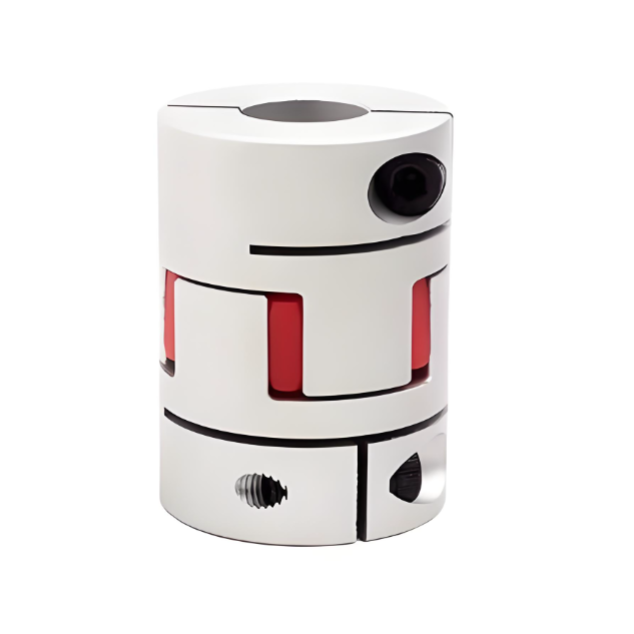 RSK-CPFC OEM High Strength Aluminium Alloy Jaw/Spider Flexible Shaft Couplings clamp type for Motor Transmission
-
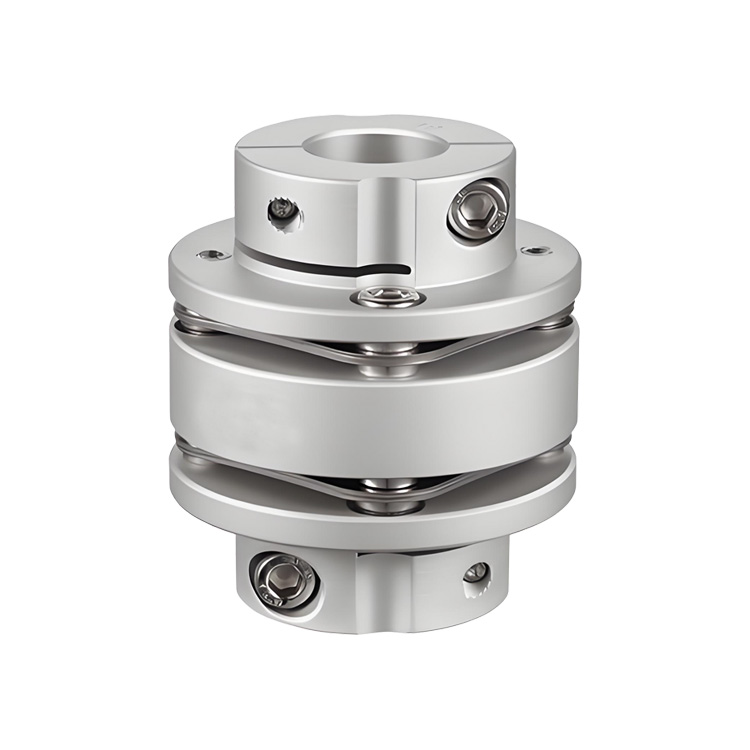 RSK-CPLT High Performance Flexible Aluminum Alloy Double Diaphragm Stepped Shaft Coupling Clamp type Used for Electrical Machinery
-
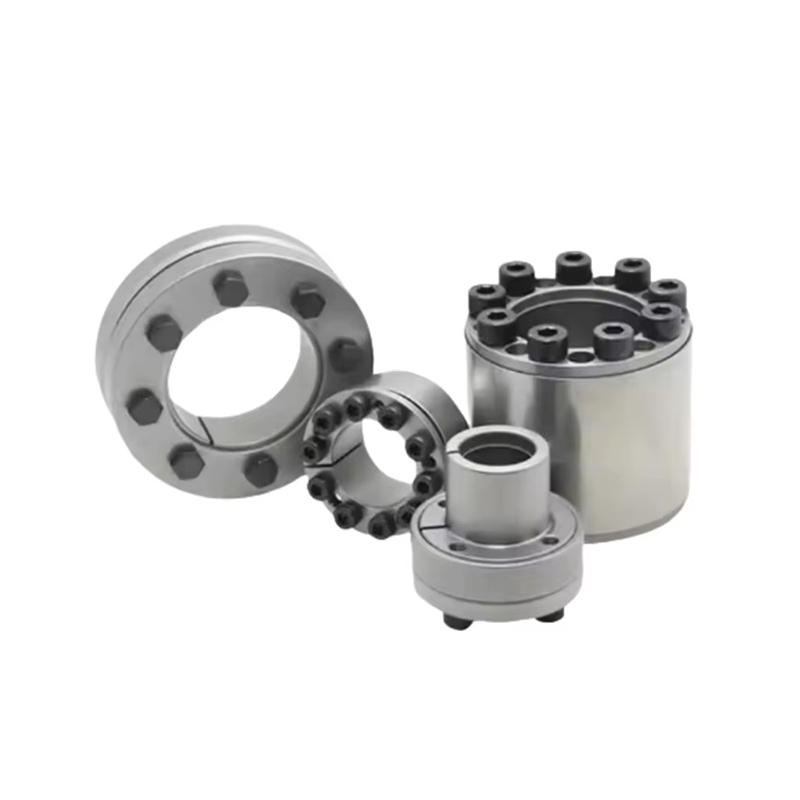 RSK-Z12A Ultra High Torque Expansion Sleeve with Steel Construction High Rigidity Strong Stability and Impact Resistance
-
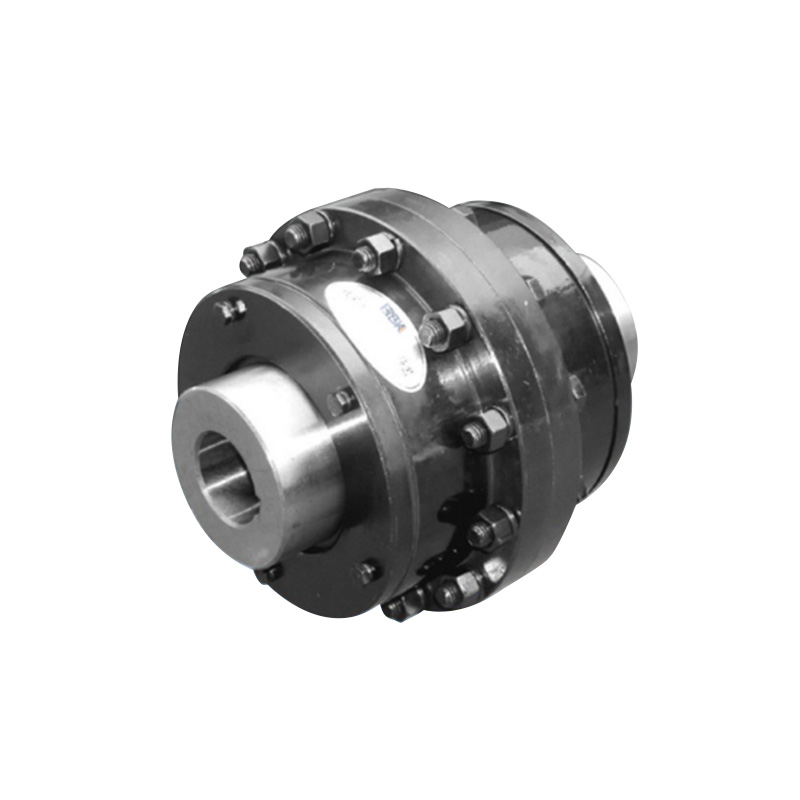 RSK-BJSA Rokang manufacturing ball cage Constant Velocity Universal Couplings used in Roller Table OEM
-
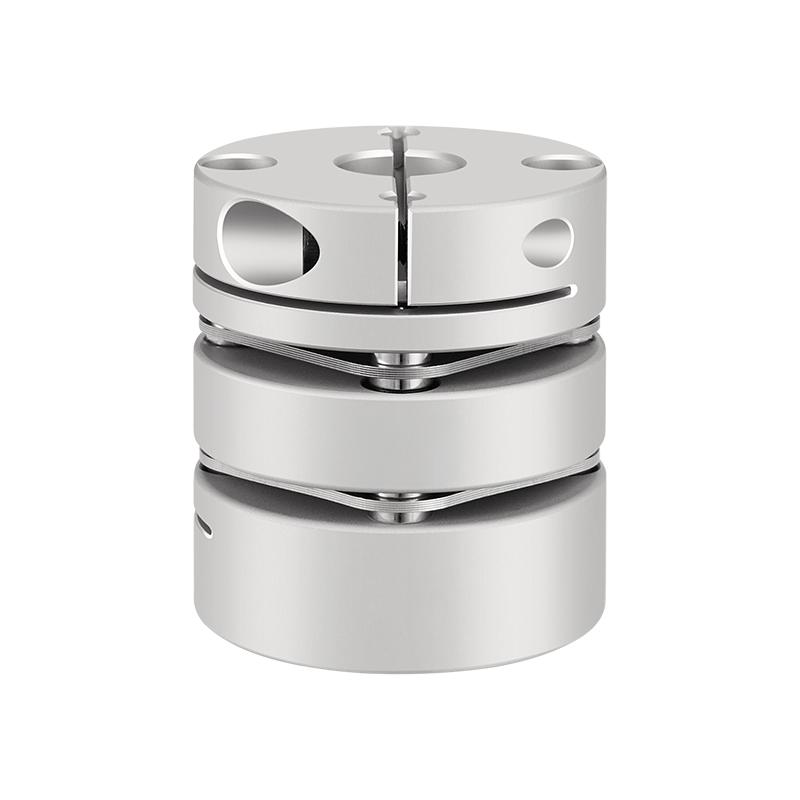 RSK-CPL Durable Diaphragm Disc Aluminum Alloy Coupling Clamp Type compensates for angular and axial deviations
-
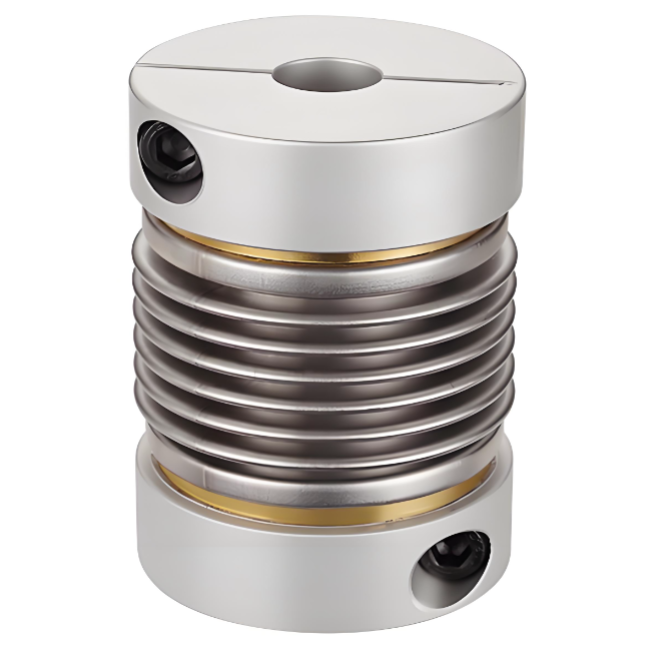 RSK-CPRC Good corrosion resistance Aluminum Alloy Bellows Coupling Clamp type for servo motor stepper motor
Company
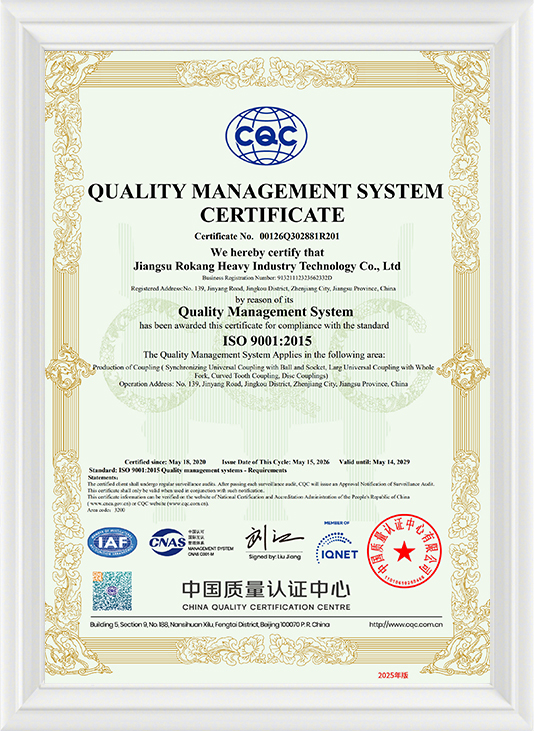
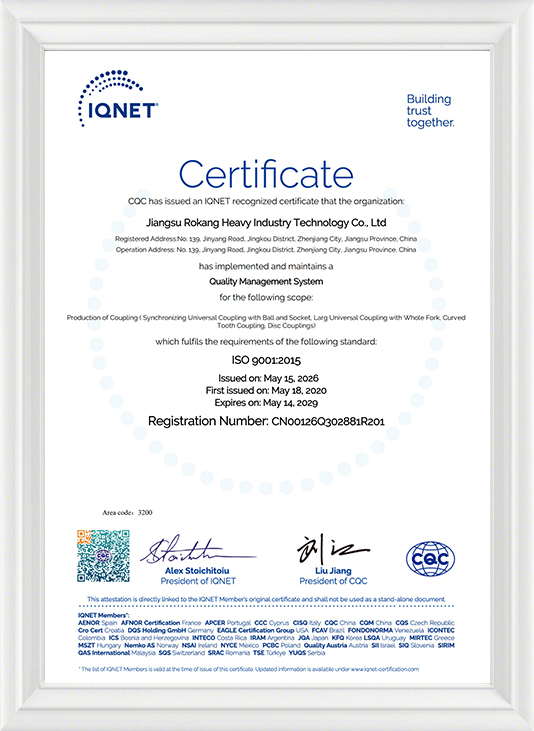
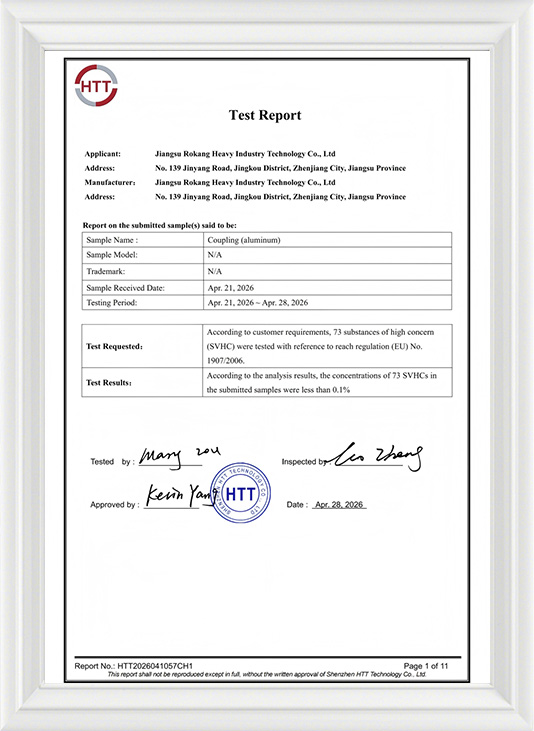
Jiangsu Rokang Heavy Industry Technology Co., Ltd.
Jiangsu Rokang Heavy Industry Technology Co., Ltd. has fixed assets of more than 80 million yuan, and has a team of professional talents in mechanical design, precision manufacturing, heat treatment, welding, etc.; the company has a one-stop complete set of processing facilities and a series of quality inspection systems such as measurement, physical and chemical, and dynamic testing, and has a comprehensive mechanical processing capability.
For many years, the company has been committed to the research and development and manufacturing of ball cage type constant velocity universal couplings, cross shaft type universal couplings, and drum gear couplings. It has carried out close industry-university-research cooperation with military and local scientific research institutes and Power Engineering Department of PLA Naval Academy, and has continuously expanded into the fields of precision, heavy load and high speed. The products have successfully replaced foreign famous brand products with excellent performance, and the process technology has reached the international advanced level. It has been widely used in lifting and transportation, metallurgical machinery, metal rolling, engineering machinery, mining machinery, petrochemical, textile machinery, military ships, armored vehicles, railway locomotives, special vehicles and other fields. The product quality and service have been recognized and praised by the majority of users, and are exported to Europe, America, Russia, the Middle East, India and other countries and regions.
As ChinaSuppliers of RSK-lxz Flexible Pin & Bush Coupling with Brake Wheel No Lubrication Required, Rokang offer Wholesale RSK-lxz Flexible Pin & Bush Coupling with Brake Wheel No Lubrication Required. The company has always adhered to the business purpose of "quality first, honest management, and customer first". We are willing to work with you with excellent products, preferential prices and thoughtful services to create a brilliant career!
Certificate Of Honor
News
-
-
A petrochemical circulating pump train lost a gear coupling every nine months. The root cause was a motor outlet flange sitting 1.2 mm above the pump inlet, a ...
Read More -
The first decision in choosing a flexible coupling is not about brand or price. It is about defining the exact misalignment your machine will produce during op...
Read More -
In industrial transmission systems, couplings serve to transmit torque, absorb shock and vibration, and compensate for installation misalignment. Material selec...
Read More -
When a cardan shaft begins to vibrate or the bearing temperature climbs unexpectedly, the first area to examine is alignment. In many field service reports, th...
Read More
Get in Touch
Your email address will not be published. Required fields are marked *
CONTACT US
Have a project in mind? Contact with us!
We are happy to answer your questions. Please fill out this form and one of our professional team will get back to you as soon as possible.

Tel:
+86-511-85728317 / +86-511-85728316
Phone:
+86-13861355442
E-mail:
[email protected]
Company Address:
No. 139 Jinyang Road, Zhenjiang, Jiangsu, China
A professional manufacturer specializing in the production of various types of couplings! Wholesale company of RSK-lxz Flexible Pin & Bush Coupling with Brake Wheel No Lubrication Required.
Copyright © Jiangsu Rokang Heavy Industry Technology Co., Ltd. Rights Reserved.

