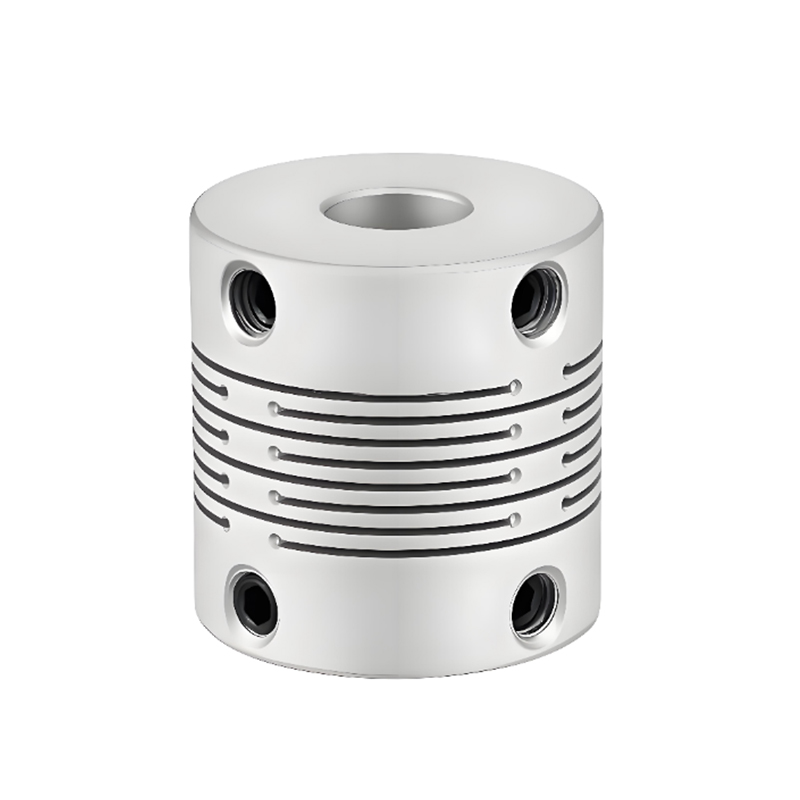
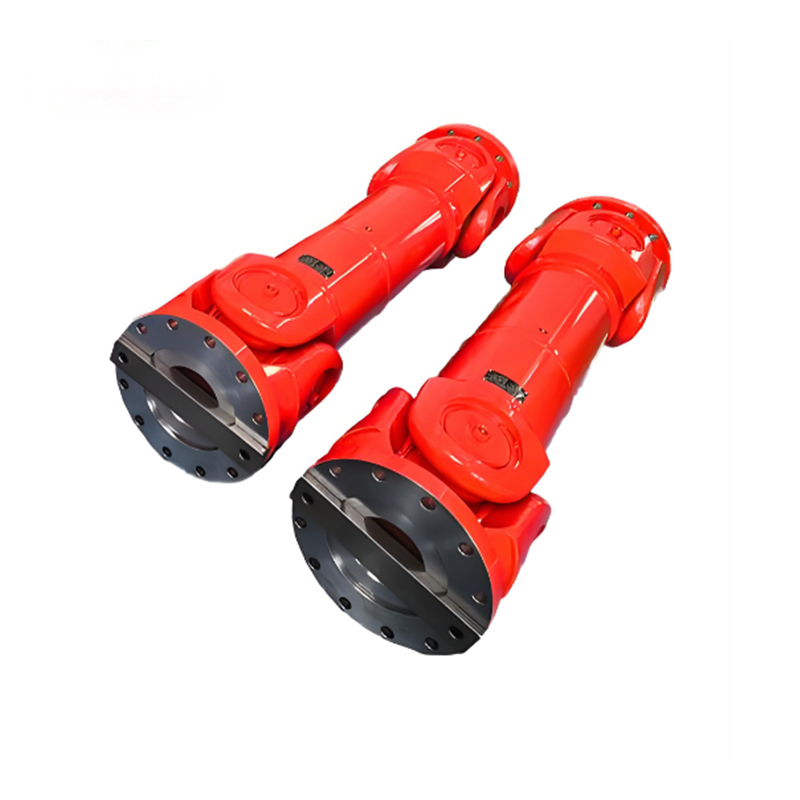
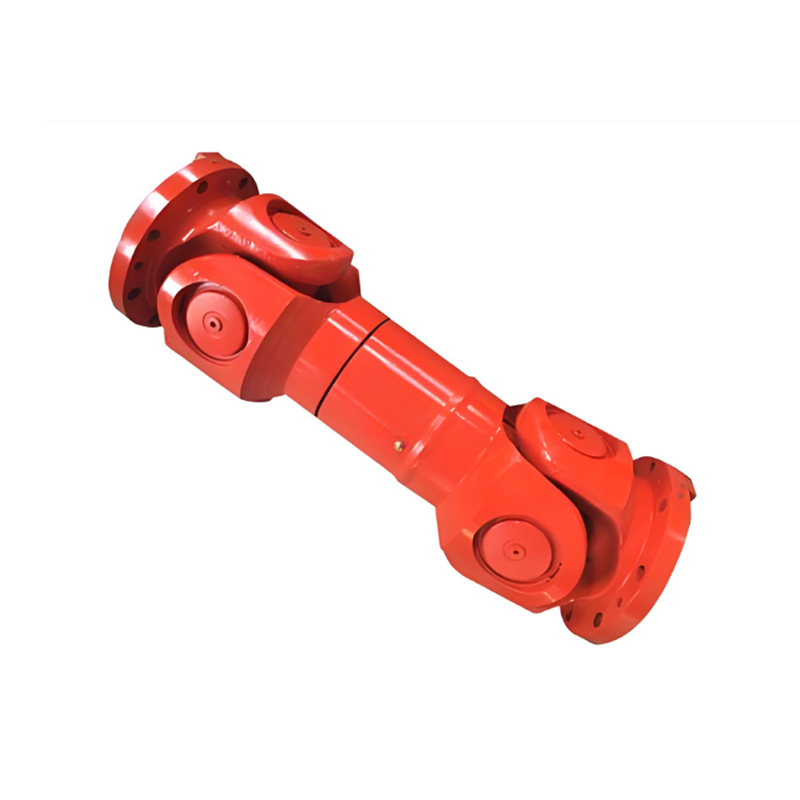
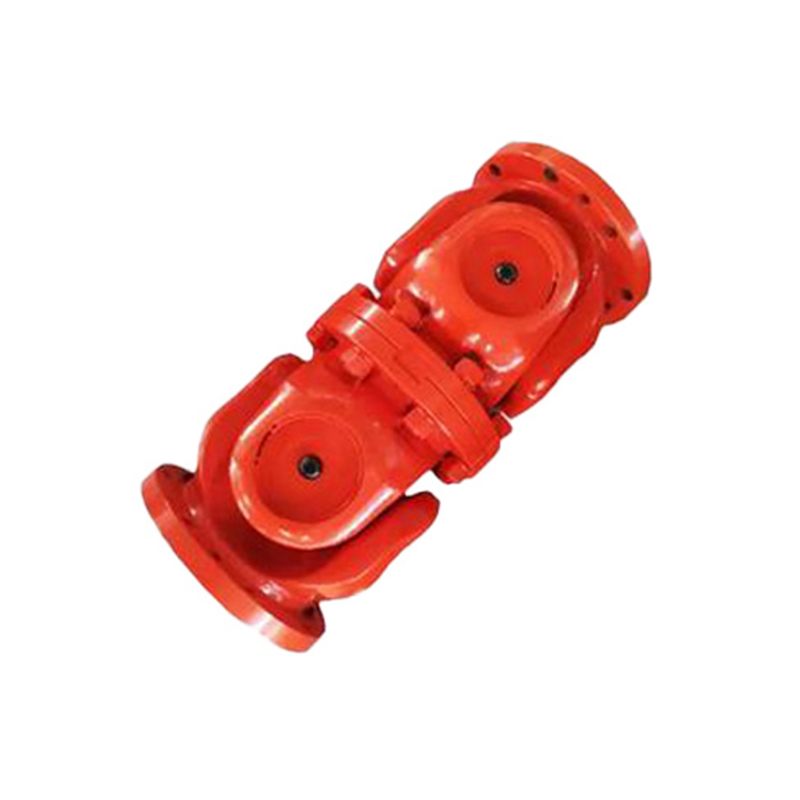
Flexible Shaft Couplings Suppliers

Home / Products
About Rokang
Jiangsu Rokang Heavy Industry Technology Co., Ltd.
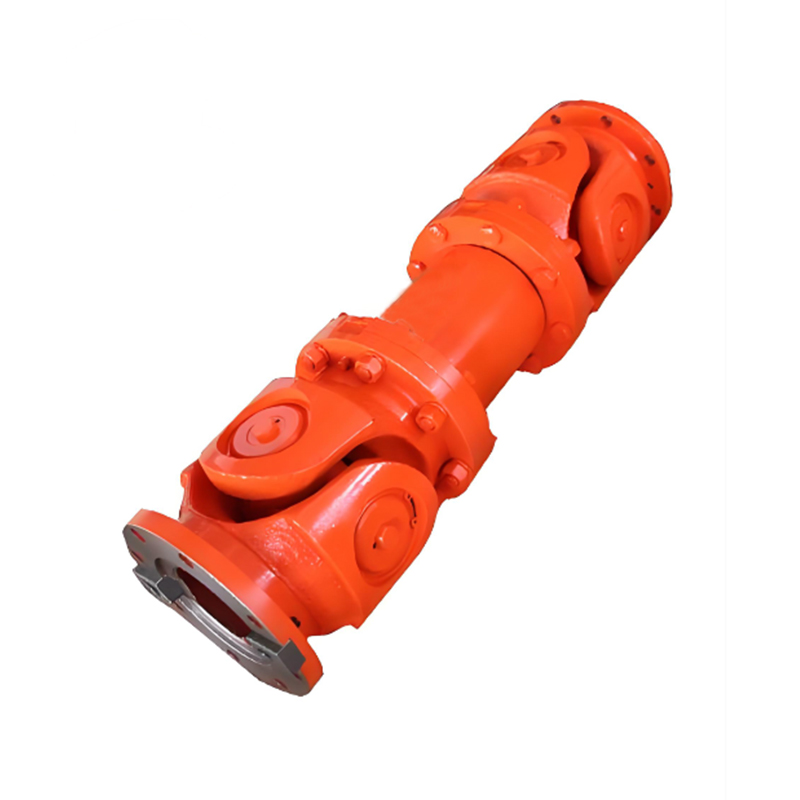
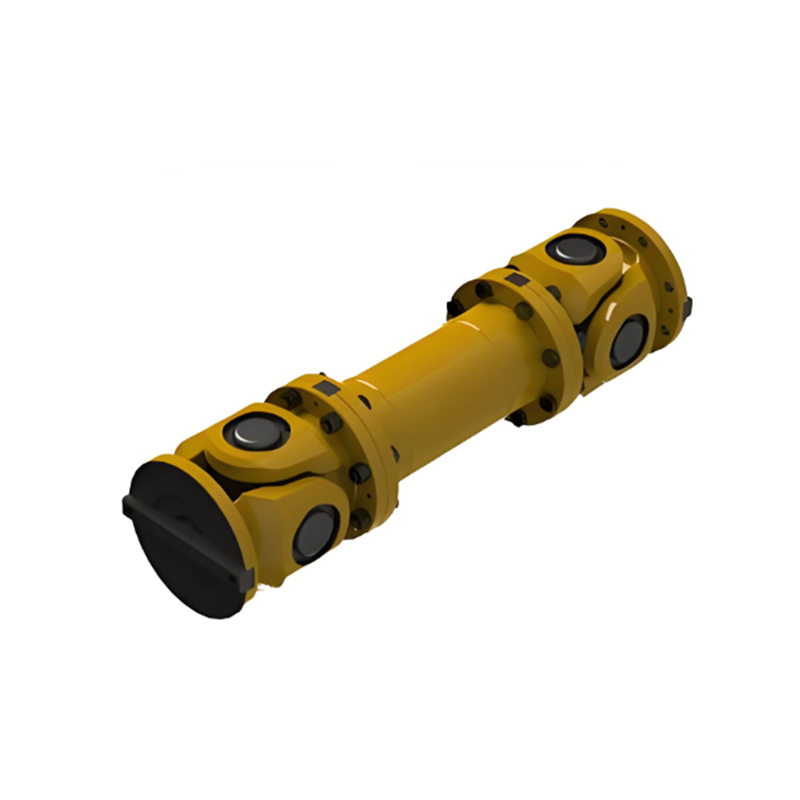
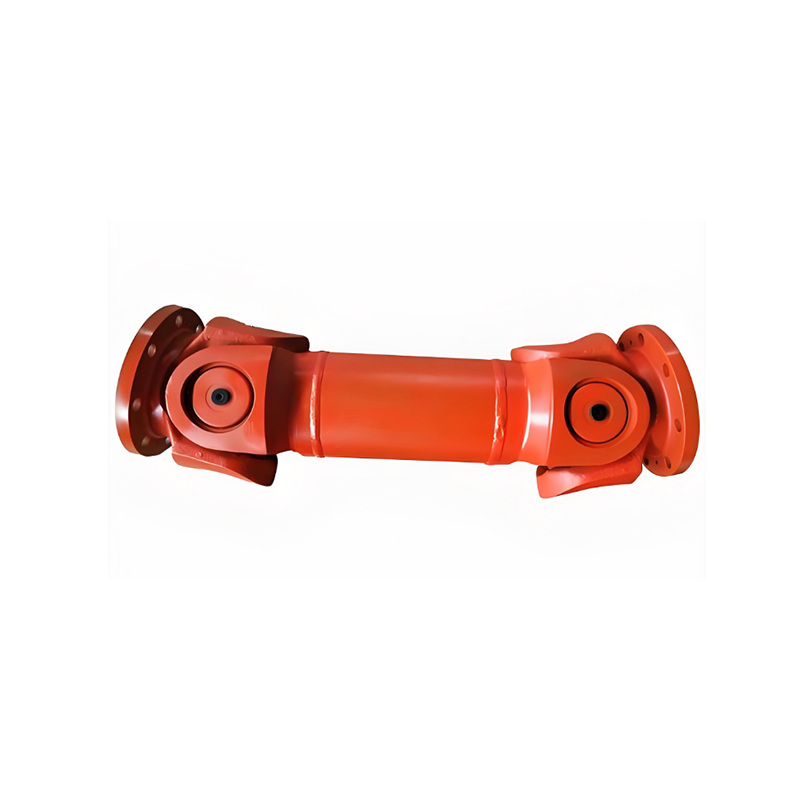
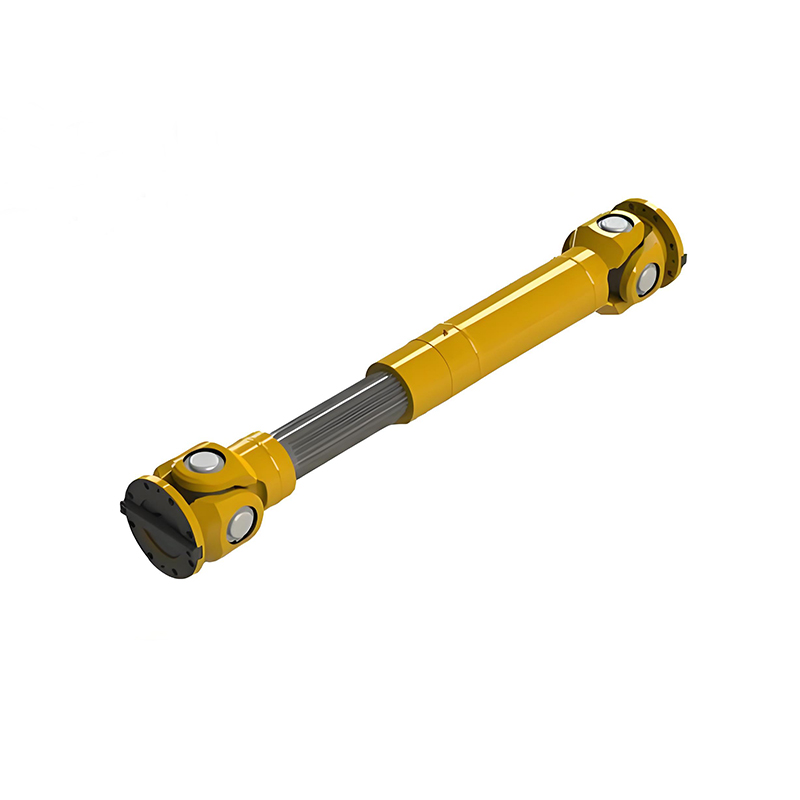
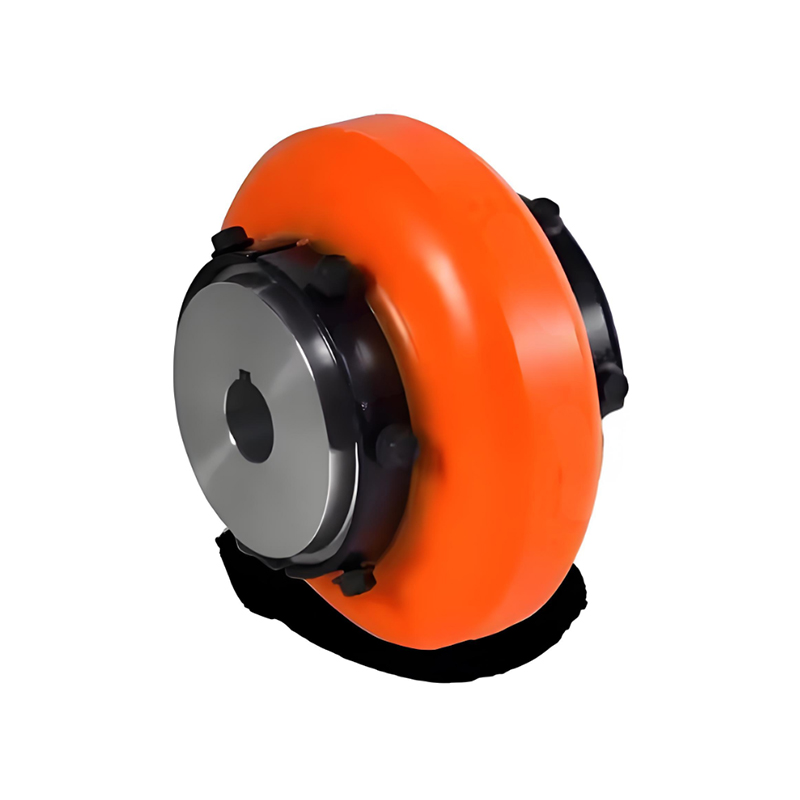
Jiangsu Rokang Heavy Industry Technology Co., Ltd. has fixed assets of more than 80 million yuan, and has a team of professional talents in mechanical design, precision manufacturing, heat treatment, welding, etc.; the company has a one-stop complete set of processing facilities and a series of quality inspection systems such as measurement, physical and chemical, and dynamic testing, and has a comprehensive mechanical processing capability. Shaft Couplings Factory and Flexible Shaft Couplings Suppliers in China. For many years, the company has been committed to the research and development and manufacturing of ball cage type constant velocity universal couplings, cross shaft type universal couplings, and drum gear couplings. It has carried out close industry-university-research cooperation with military and local scientific research institutes and Power Engineering Department of PLA Naval Academy, and has continuously expanded into the fields of precision, heavy load and high speed. The products have successfully replaced foreign famous brand products with excellent performance, and the process technology has reached the international advanced level. It has been widely used in lifting and transportation, metallurgical machinery, metal rolling, engineering machinery, mining machinery, petrochemical, textile machinery, military ships, armored vehicles, railway locomotives, special vehicles and other fields. The product quality and service have been recognized and praised by the majority of users, and are exported to Europe, America, Russia, the Middle East, India and other countries and regions. In recent years, the company has been committed to the in-depth research and development of ball cage constant velocity universal couplings, and has successively developed ball cage constant velocity universal couplings for screw pumps, ball spline ball cage constant velocity universal couplings, coaxial double-speed, and double-way ball cage constant velocity universal couplings. Custom Shaft Couplings for Power Transmission. It fundamentally solves the new problems that users currently encounter during use. The company has always adhered to the business purpose of "quality first, honest management, and customer first". We are willing to work with you with excellent products, preferential prices and thoughtful services to create a brilliant career!


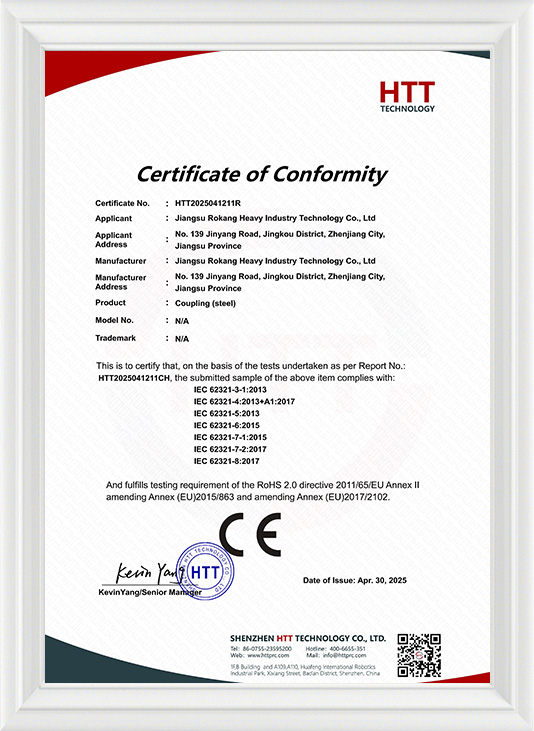
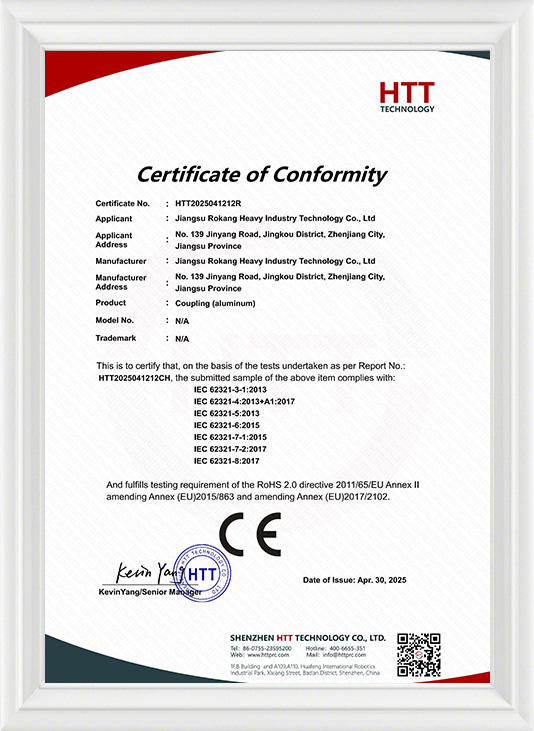
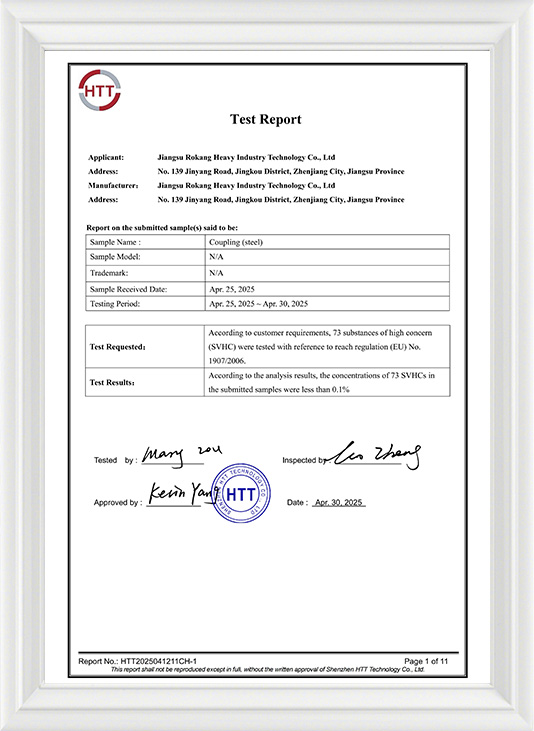
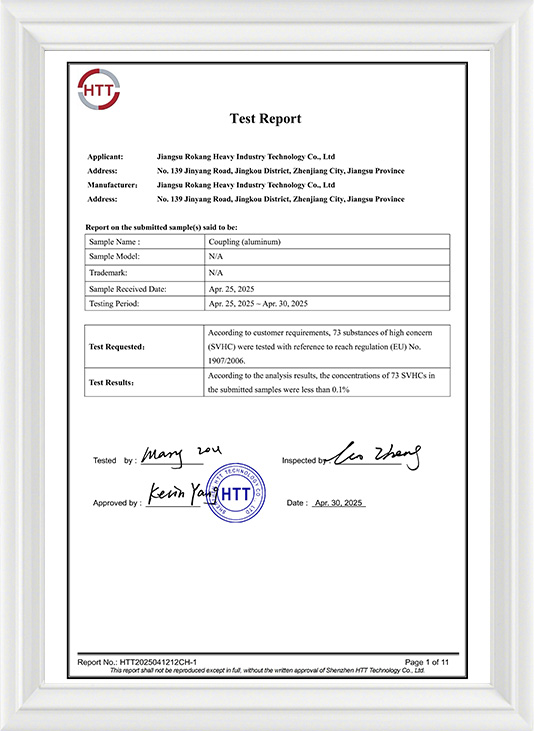
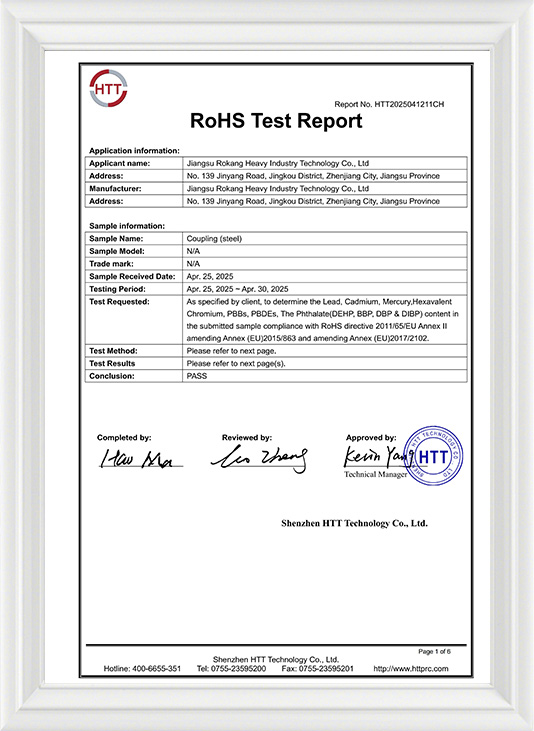
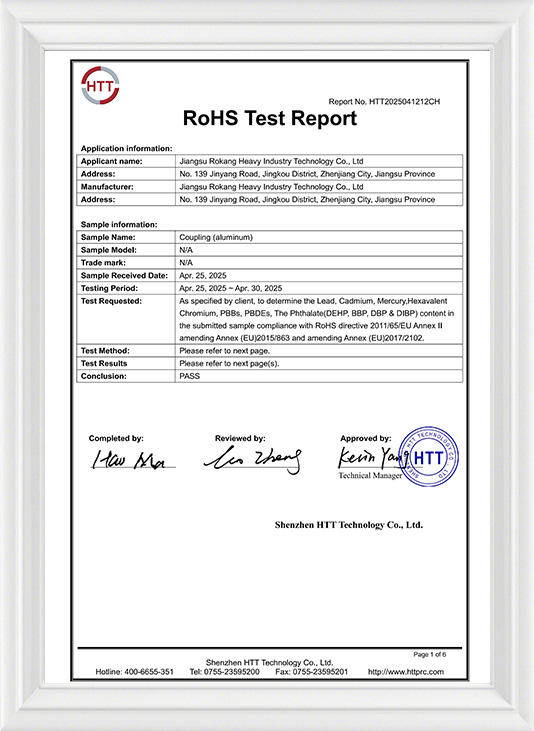
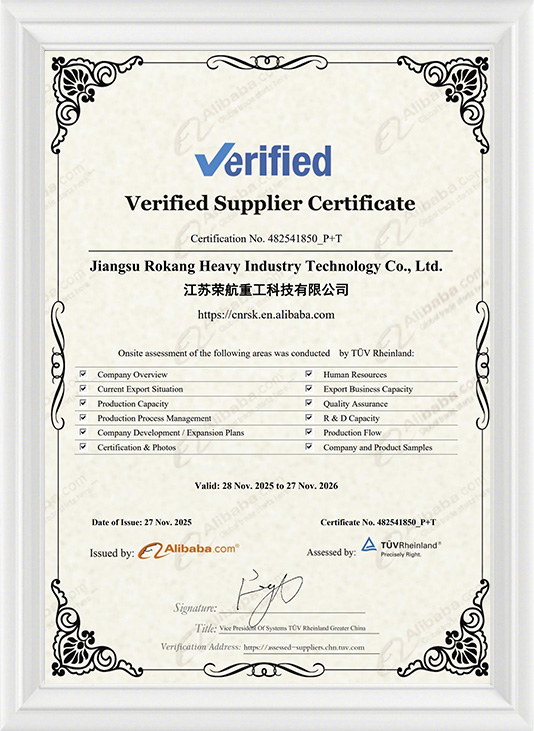
Certificate Of Honor

News
Industry knowledge

How to Specify Torque Capacity Without Overbuying

Bulk procurement often defaults to “bigger is safer,” but shaft couplings fail most often from misapplied service factors, not from insufficient catalog torque. A practical approach is to calculate steady-state torque and then apply an application-specific factor that reflects duty cycle, shock, reversals, and start/stop frequency.

Procurement-focused torque inputs

  • Rated motor power and base speed (steady torque baseline)
  • Peak torque events (starts, plug reversals, jams, crane hoist snatch)
  • Thermal limits (continuous vs intermittent load profile)
  • System compliance (gearbox backlash, shaft stiffness, belt/chain elasticity)

A frequent hidden driver is transient torque amplification from drivetrain resonance. If your site has recurring coupling wear at similar RPM bands, treat it as a torsional issue rather than a “material” issue; selecting a flexible coupling with tuned stiffness can reduce reflected shock.

When we support bulk buyers, we typically ask for duty-cycle and transient descriptions first, then map them to a coupling family that can carry the load with margin but without unnecessary inertia—lower inertia often improves starting behavior and reduces bearing stress.

Misalignment: Separating “Allowable” From “Sustainable”

Catalog misalignment limits are typically short-term mechanical limits; sustainable misalignment depends on speed, torque ripple, lubrication regime, and how often alignment drifts. In bulk purchasing, the win is to define acceptance criteria at installation and a maintenance drift window.

Practical guidance for plant standards

  • Use tight installation alignment even if the coupling “allows” more; the coupling is not a substitute for alignment discipline.
  • At higher speeds, reduce allowable angular and parallel offsets because dynamic forces grow rapidly.
  • For hot/cold growth systems, prioritize axial capacity and define cold-alignment targets that land near zero offset at operating temperature.
  • Sustainable misalignment is primarily a fatigue question; repeated cycling at the maximum limit shortens life dramatically.

For heavy industry lines (rolling, mining, lifting), we frequently see drift from foundation settling and bearing clearance changes. A standard that includes re-check intervals after commissioning prevents “early-life” failures that are mistakenly blamed on coupling quality.

Torsional Vibration Screening for High-Speed Drivetrains

High-speed coupling selection is rarely just about torque and misalignment. The coupling is part of a torsional system that may amplify harmonics from motors, gear mesh, and process loads. For bulk programs, a simple screening method can reduce unplanned outages.

A constructive screening workflow

  1. List operating speed range and any variable-frequency drive bands.
  2. Identify dominant excitation sources (gear mesh, reciprocating loads, torque ripple).
  3. Estimate coupling torsional stiffness category (high/medium/low) rather than exact values if data is limited.
  4. Avoid stiffness choices that place resonance within steady operating bands.
  5. Confirm with vibration data if recurrent failures exist.

In practical terms, if failures cluster at a specific RPM, shifting coupling stiffness or inertia can move the resonance out of that band. With our in-house dynamic testing capability, we can support this screening with measured data rather than assumptions—without slowing down your procurement cycle.

Selecting Flexible Coupling Types by Failure Mode, Not by Habit

Many plants standardize on one flexible coupling style, then “upgrade” to another only after repeated issues. A more practical approach is to match coupling type to the most expensive failure mode you are trying to prevent: bearing overload, heat generation, backlash, or fatigue cracking.

Primary Risk What to Prioritize in the Coupling Typical Application Signals
Bearing Overload Low reaction forces under misalignment; flexible elements tuned for offset Hot bearings, repeated seal failures, alignment drift
Heat / Lubrication Breakdown Thermal robustness; lubrication regime matched to speed Discoloration, grease coking, short re-lube intervals
Backlash / Positioning Error Low backlash and consistent torsional behavior Indexing systems, servo drives, positioning drift complaints
Fatigue at Misalignment High-cycle fatigue strength; controlled stress concentrations Cracks at flex elements; failures after predictable hours
A practical way to choose flexible couplings is to start with the most costly failure mode and select features that directly mitigate it.

Because we manufacture both universal couplings and gear-type solutions, we often help buyers rationalize a “family” approach: standardize interfaces where possible, but vary the flex mechanism to match risk—this reduces total spares without forcing one design into every duty.

Universal Couplings vs Flexible Shaft Couplings: Where Each Wins

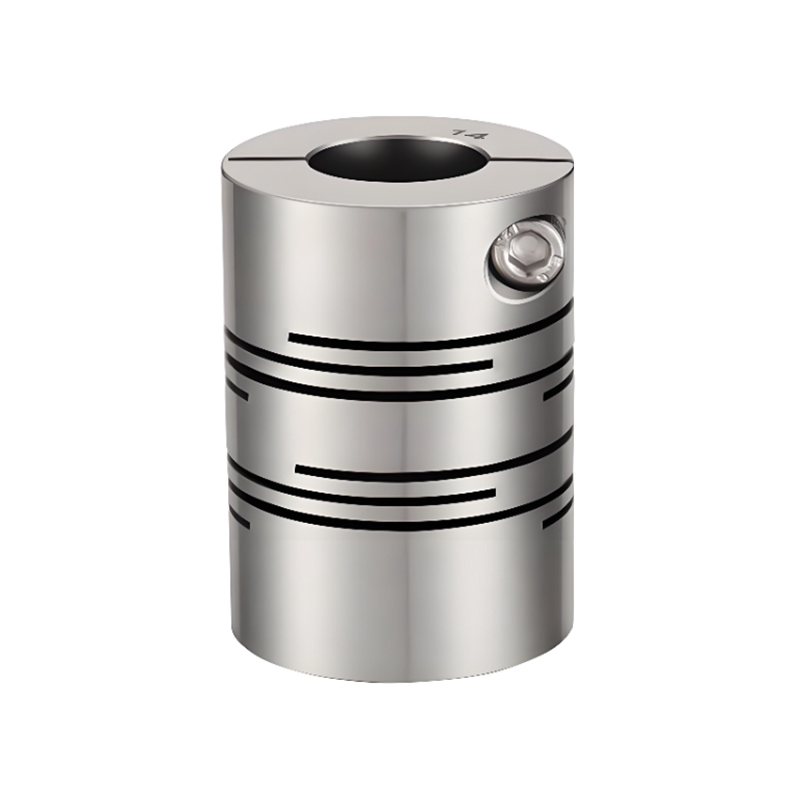
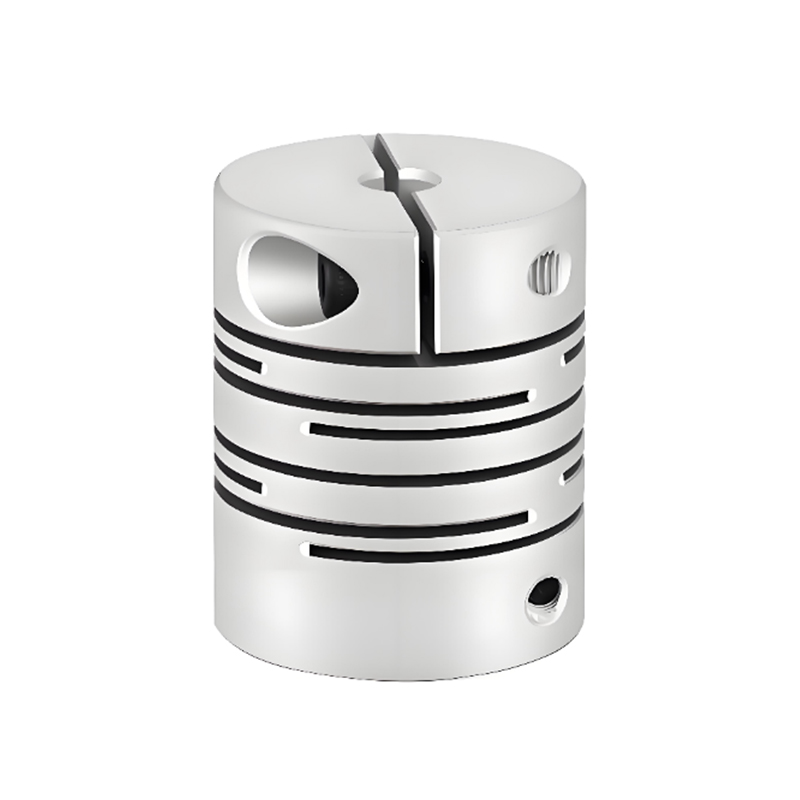
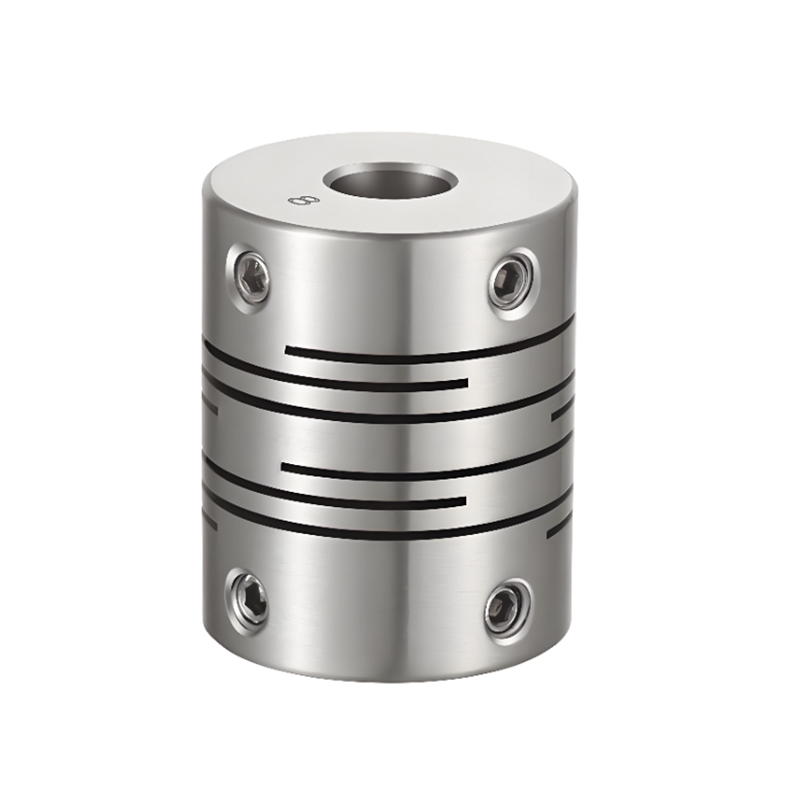
The procurement confusion usually comes from overlapping use cases. Flexible shaft couplings are often chosen for vibration isolation and misalignment accommodation in compact drives, while universal couplings are selected when angular articulation and transmission robustness dominate.

Decision points that matter to bulk buyers

  • If angular misalignment is large and unavoidable, universal coupling geometry typically provides more predictable articulation behavior.
  • If the priority is damping torsional oscillation and reducing transmitted vibration, flexible couplings with compliant elements are often preferred.
  • For heavy loads and harsh duty, material selection, heat treatment quality, and dynamic balance become decisive.
  • Speed increases the penalty of imbalance; balance grade and concentricity should be specified, not assumed.

In our own programs for heavy-load and high-speed fields, we focus on precision manufacturing, heat treatment, and dynamic testing to achieve stable behavior at operating speed—this is where “looks similar” products diverge in real service.