






 English
 русский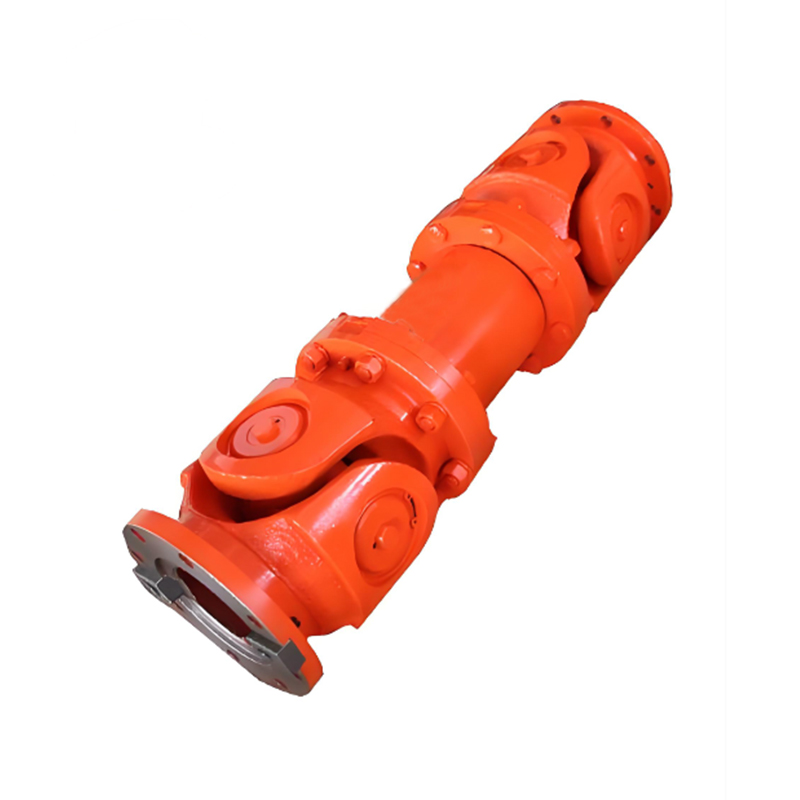
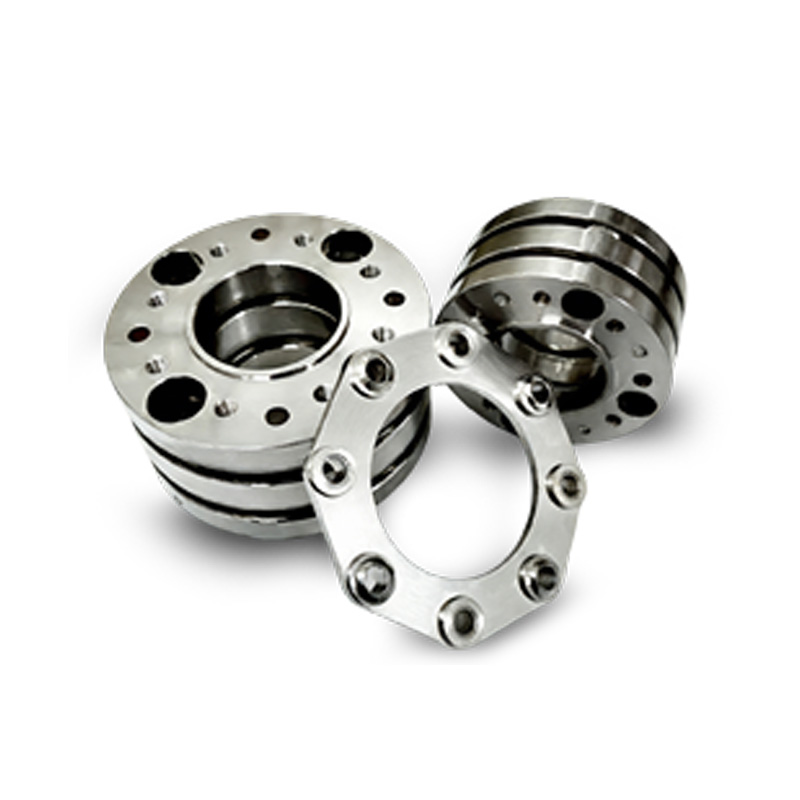
RSK-LT Easy Installation elastic sleeve pin coupling with pins and elastic bushings
It is a non-metallic flexible element coupling that transmits torque through pins and elastic bushings. Its core working principle utilizes the compre...
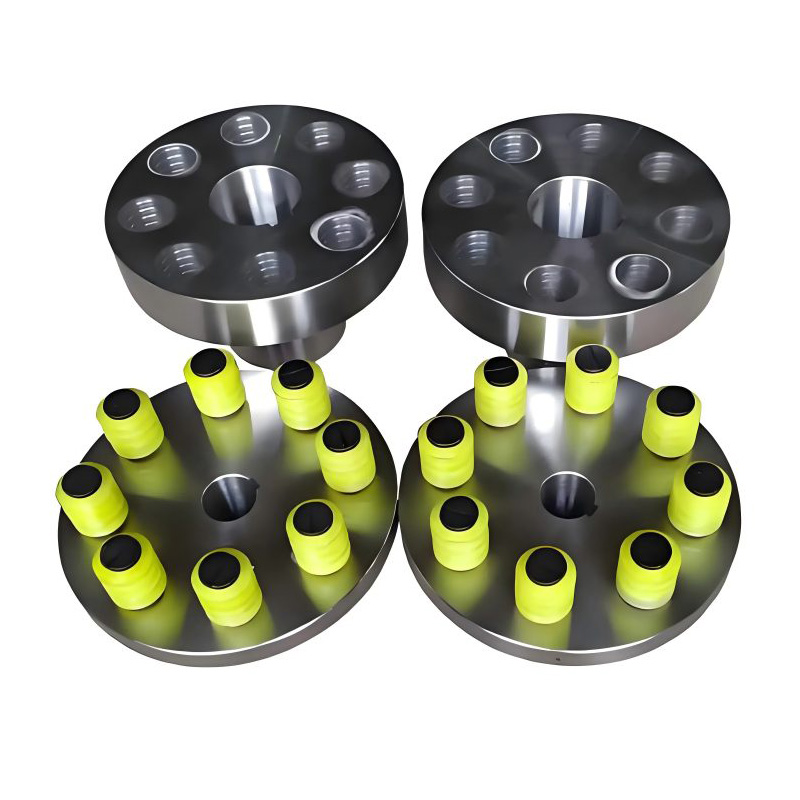
It is a non-metallic flexible element coupling that transmits torque through pins and elastic bushings. Its core working principle utilizes the compre...
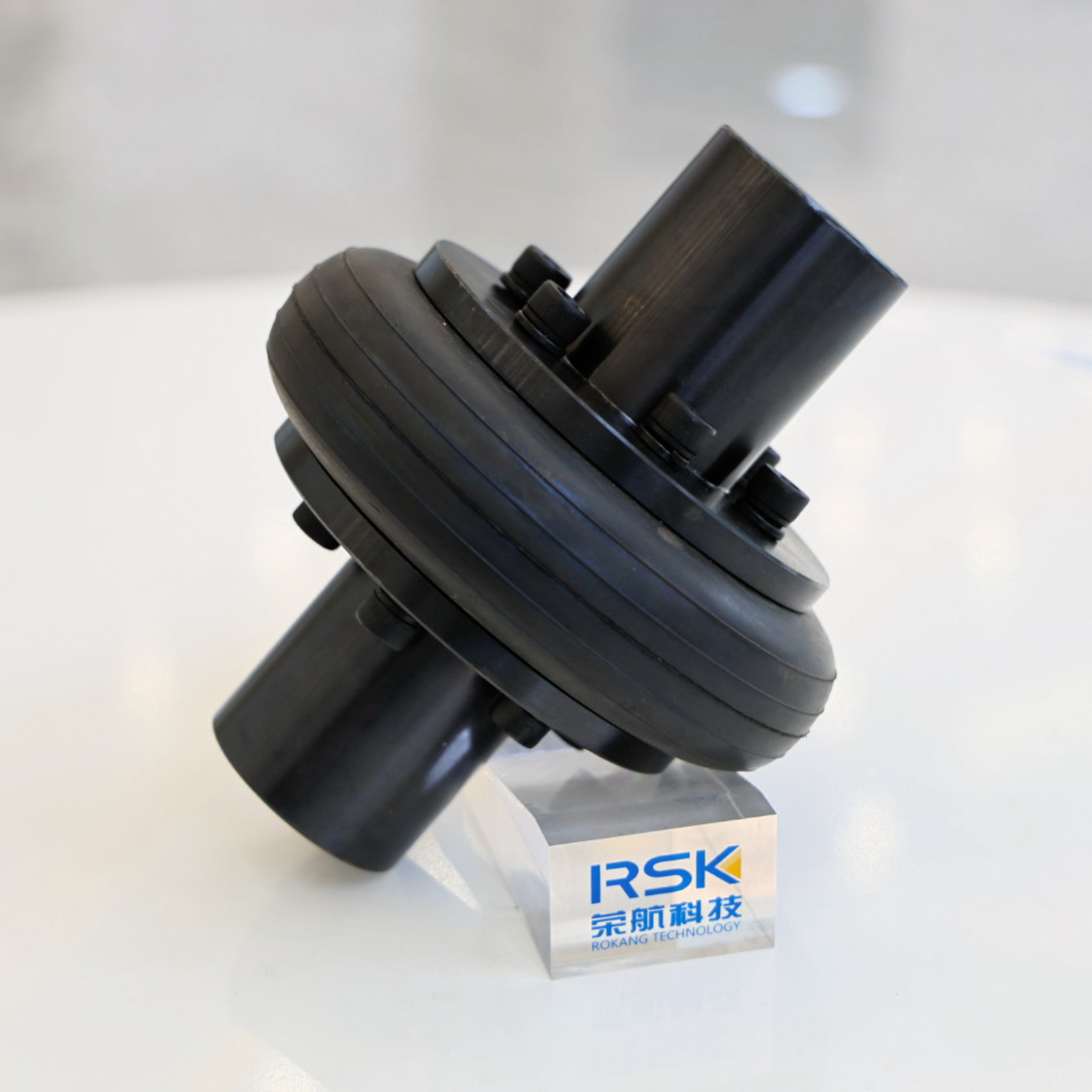
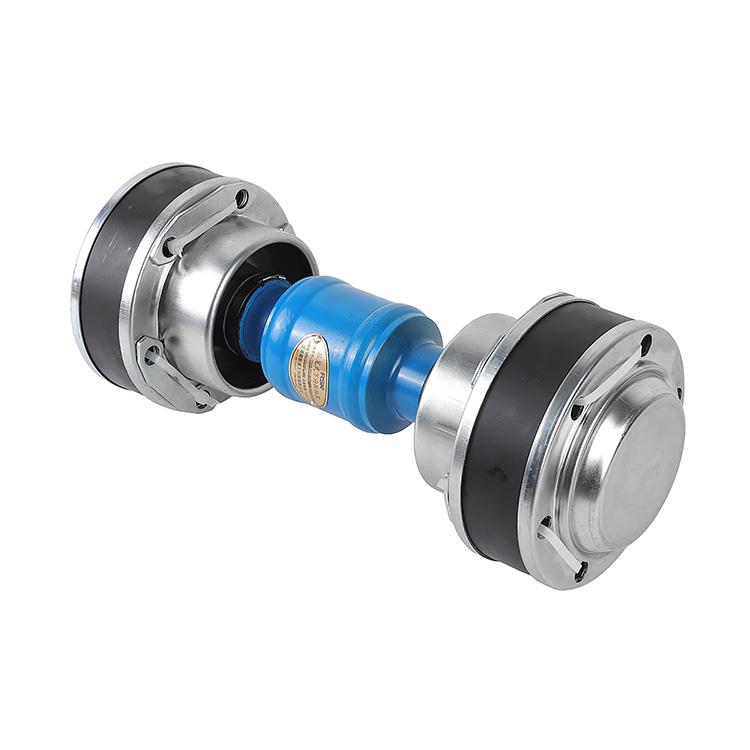
Our waterproof and dustproof tire coupling is designed to cope with harsh working environments and can still operate stably under harsh conditions suc...
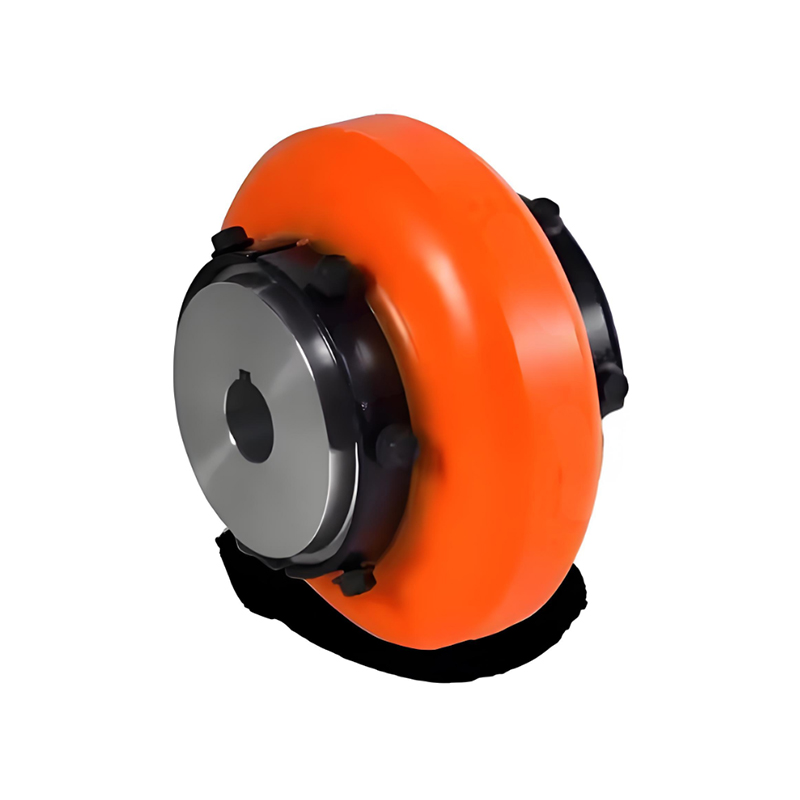
The Omega-shaped Tyre Coupling features a core component which is an integrally molded ring-shaped rubber elastomer with a cross-sectional profile sha...
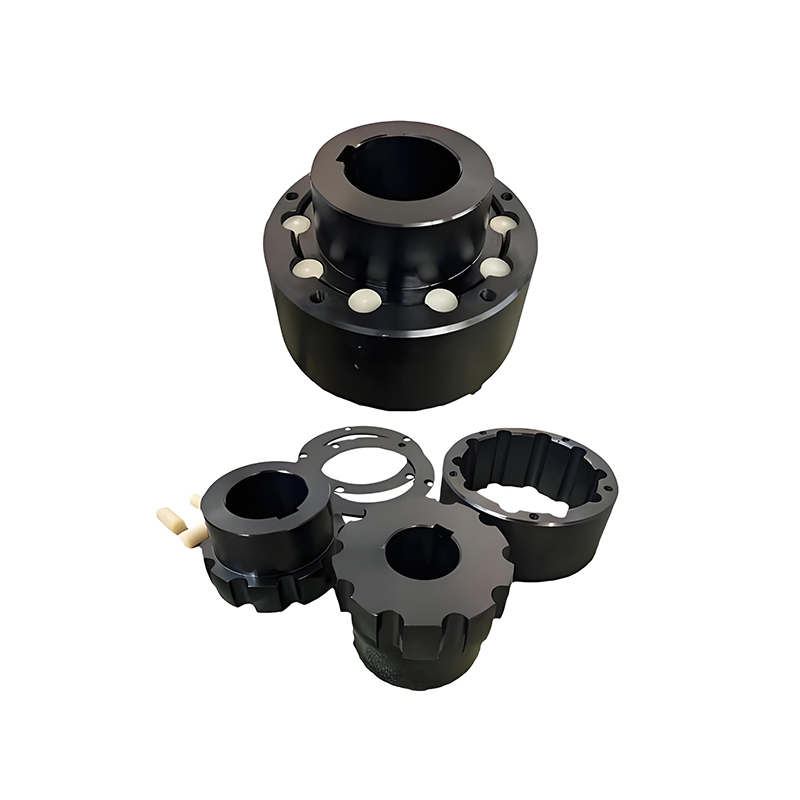
Crowned/Straight Gear Mesh: Used to transmit high torque and provide large-angle, large-displacement compensation capability. Flexible Pin Assembly: T...
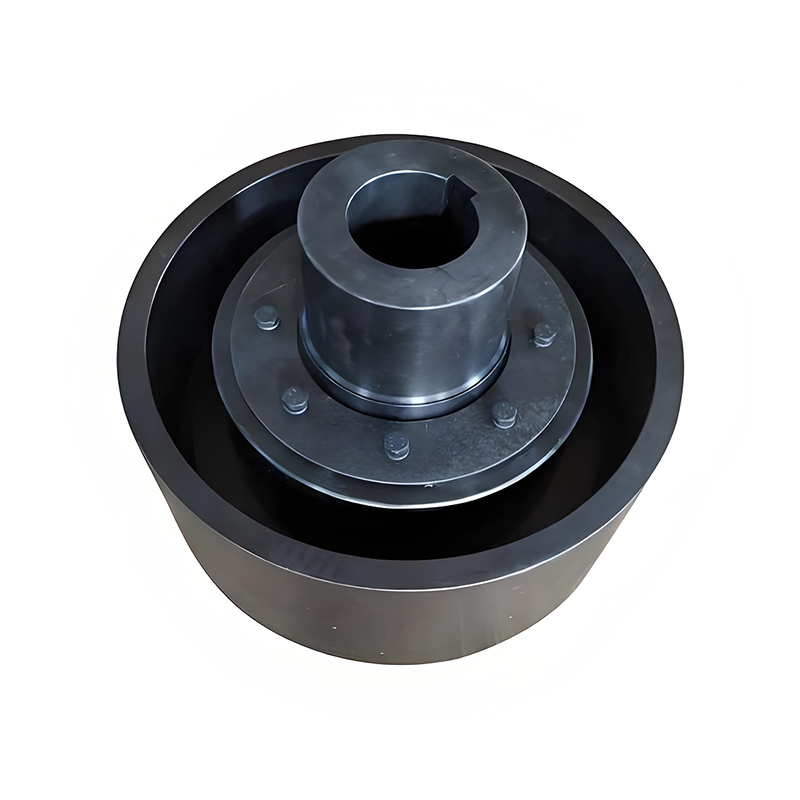
Basic Structure Brake Wheel Half-Coupling: This is its distinctive component. Typically made of cast steel to ensure sufficient strength and wear resi...
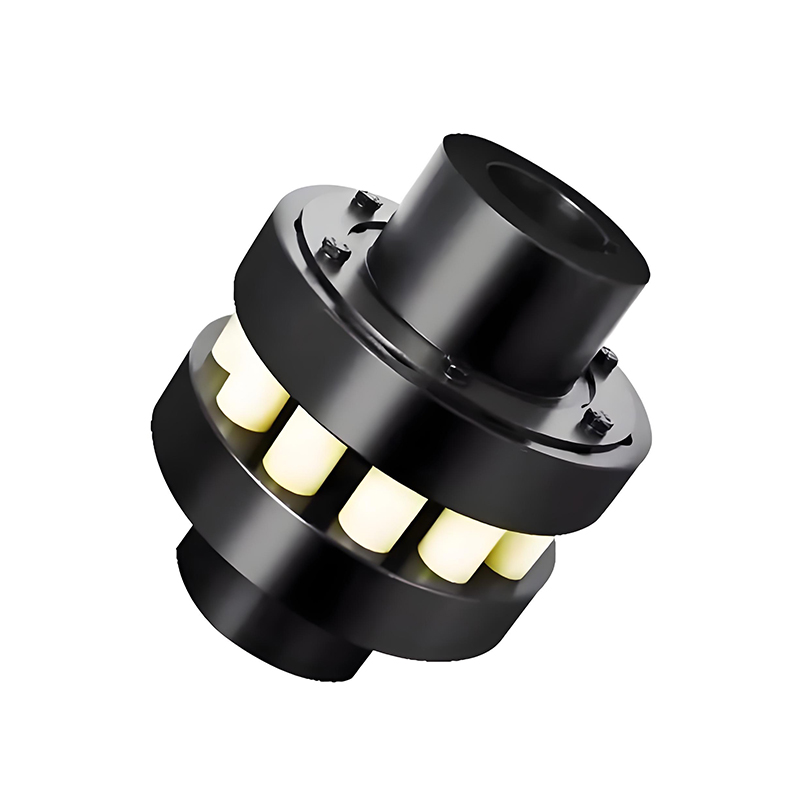
The core characteristic of the RSK-lx type is: The pins themselves (nylon components) serve as the primary load-bearing members for torque, while the ...
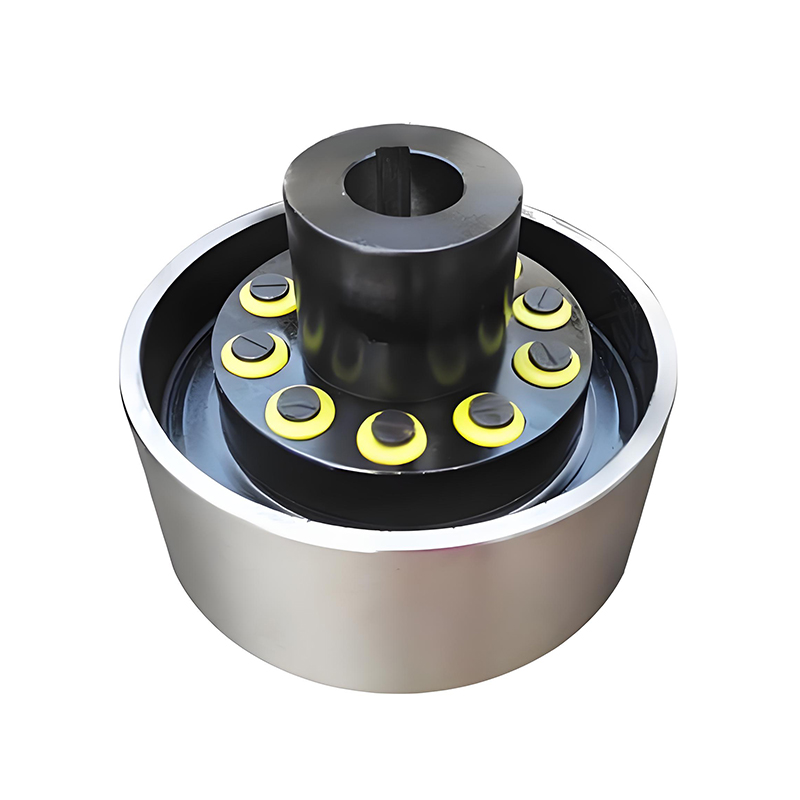
Basic Structure The RSK-ltz type can be viewed as a functional composite of a "Type RSK-ltz Coupling" and a "Brake Wheel". Its main components include...
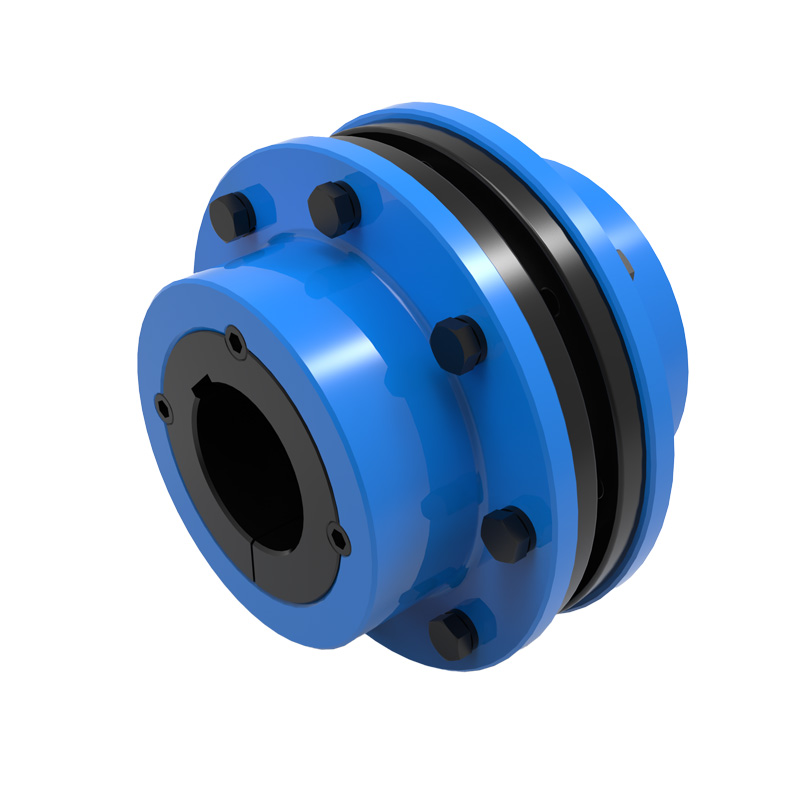
Our waterproof and dustproof tire coupling is designed to cope with harsh working environments and can still operate stably under harsh conditions suc...
A flexible coupling connects two shafts to transmit torque while compensating for minor misalignments (angular, parallel, axial), dampening vibrations, and absorbing shock, preventing damage to machinery like motors and pumps, and improving system longevity, with types ranging from elastomeric jaw couplings to metallic gear or diaphragm couplings.
What it does
Transmits Power: Connects two rotating shafts to move power from a driver (like a motor) to a driven component.
Accommodates Misalignment: Allows for slight imperfections in shaft alignment (angular, parallel, axial) that are common in real-world machinery.
Dampens Vibration & Shock: Absorbs torsional vibrations and shock loads, reducing wear on bearings and other parts.
Provides Protection: Can act as a "mechanical fuse" to fail before more expensive components break during severe overloads.
Key benefits
Reduces Downtime: Prevents premature failure by handling dynamic operating conditions.
Enhances Performance: Improves accuracy and lifespan of connected equipment.
Versatile: Many designs cater to specific needs, from high-speed precision to heavy-duty industrial tasks.
Common types
Jaw Couplings: Use elastomeric inserts (like spiders) for shock absorption, common in electric motors.
Gear Couplings: High torque capacity, using external/internal gear teeth for flexibility.
Diaphragm Couplings: Transmit torque via thin metal diaphragms, good for high speeds.
Pin & Bushing: Simple, cost-effective design using rubber bushes.
Tire Couplings: Feature a rubber tire element that provides high torsional flexibility, ideal for systems with significant misalignment or impact loads.
Applications
Industrial power transmission (pumps, conveyors).
Robotics and automation.
CNC machinery.
HVAC systems.
How they work (Example: Jaw Coupling)
Two hubs connect to each shaft.
An elastomeric insert (spider) sits between them, often with curved jaws.
Torque is transmitted through the insert, which flexes to manage angular, parallel, or axial misalignment, while dampening vibrations.
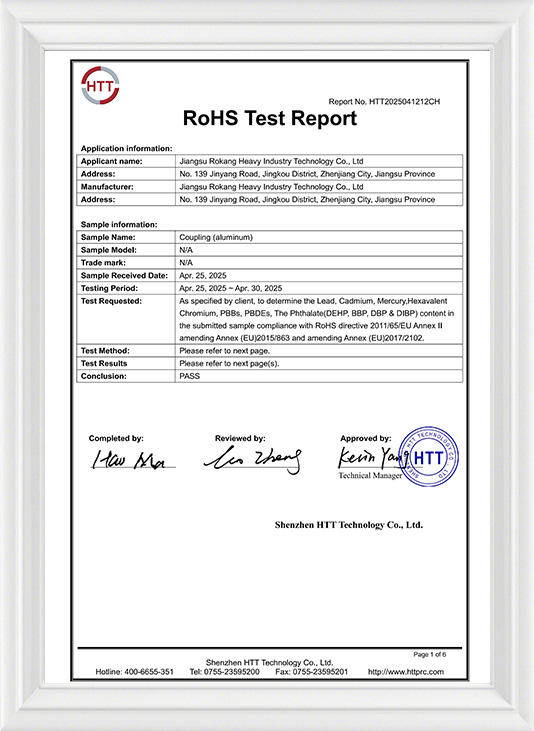
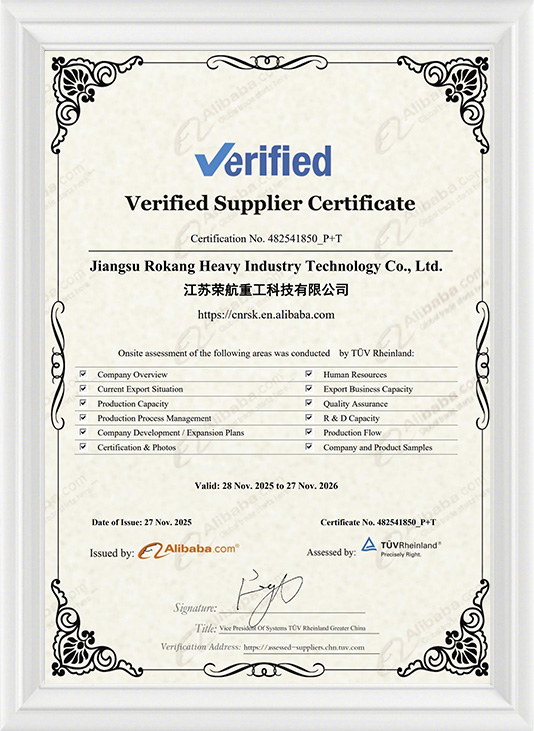
The Operational Advantage of Serpentine Spring Couplings A serpentine spring coupling is the optimal solution for high-torque, heavy-duty industrial applications requiring precise alignment compensation and shock absorp...
READ MOREThe Core Purpose of Flexible Couplings Flexible couplings are mechanical devices designed to transmit torque between two shafts while accommodating misalignment and reducing vibration. Their immediate benefit is operati...
READ MOREWhat Flexible Couplings Do and Why They Matter Flexible couplings connect two rotating shafts while allowing controlled misalignment, vibration damping, and shock absorption. Their primary value is protecting equipment:...
READ MOREIntroduction to Gear Couplings Gear couplings are critical components in mechanical power transmission systems. They are designed to transmit torque and rotational motion between two shafts while accommodating angular mi...
READ MOREFlexible couplings rely heavily on the materials used in their construction to ensure durability, precision, and vibration absorption. At Jiangsu Rokang Heavy Industry Technology, we carefully select high-strength alloy steels and precision heat-treated metals for our ball cage type and cross shaft type universal couplings. This ensures that our couplings can withstand high torque, heavy loads, and extreme working environments without premature wear. Our experience in precision manufacturing allows us to maintain a consistent microstructure in each component, which directly improves fatigue life and operational reliability.
Flexible couplings are not one-size-fits-all; their design can be adapted for various industrial applications. For instance, our drum gear couplings are optimized for high-speed metal rolling and lifting machinery, whereas our ball cage constant velocity universal couplings are specifically engineered for screw pumps and heavy-duty mining equipment. By fine-tuning the cage geometry, ball placement, and lubrication channels, we are able to reduce vibration, noise, and torsional backlash, which is critical for sensitive applications in military ships and armored vehicles.
The performance of flexible couplings heavily depends on precision manufacturing and thorough quality control. At our facility, we utilize a complete set of processing equipment and comprehensive inspection systems, including dynamic testing and chemical analysis. This enables us to guarantee that each coupling meets international standards and can reliably replace imported products. When you choose our products, you benefit from the same high-quality performance that powers metallurgical machinery, railway locomotives, and special vehicles worldwide.
Flexible couplings today face more complex challenges than ever, from multi-speed operations to high-load industrial environments. We have addressed these issues through innovations such as coaxial double-speed ball cage couplings and double-way constant velocity couplings. These designs minimize angular misalignment and torsional vibration while allowing high-speed rotational synchronization. Users have reported fewer maintenance requirements and improved operational efficiency after switching to our engineered solutions.
| Industry | Application | Coupling Type |
| Metallurgy | Rolling and lifting machinery | Drum gear coupling |
| Mining | Heavy-duty torque transfer | Cross shaft universal coupling |
| Military & Naval | Armored vehicles, naval propulsion | Ball cage constant velocity coupling |
| Textile Machinery | High-speed precision operation | Ball spline ball cage coupling |
We are not just manufacturers; we are your partners in performance. By combining advanced research, extensive industry experience, and customer-focused service, we ensure that each flexible coupling we provide is tailored to solve real-world operational problems. From precise torque transmission to multi-directional speed synchronization, our solutions enhance machinery efficiency and reliability. Let’s work together to optimize your equipment with products that have earned recognition across Europe, America, Russia, the Middle East, India, and beyond.
Get in Touch
Your email address will not be published. Required fields are marked *
Have a project in mind? Contact with us!
We are happy to answer your questions. Please fill out this form and one of our professional team will get back to you as soon as possible.

A professional manufacturer specializing in the production of various types of couplings! Flexible Couplings Manufacturers in China.

